Recovery Supplements That Work (and What Don’t)
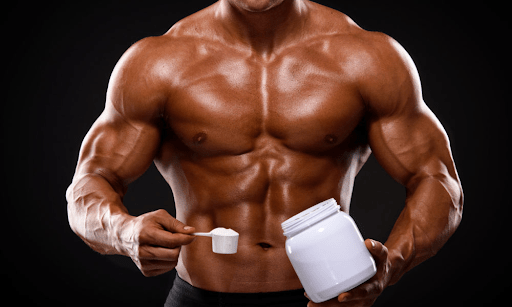
If you’re pushing through intense training, fast and effective muscle recovery is non-negotiable. It helps reduce muscle soreness, speeds up repair, and keeps you consistent with your workouts.
Natural foods are the primary way to boost muscle recovery. They contain vital vitamins, minerals, and antioxidants that work together to support muscle repair, reduce inflammation, and replenish energy stores.
However, when one is unable to obtain sufficient nutrients for muscle recovery from diet alone, they turn to synthetic recovery supplements. But with the supplement market flooded with bold claims and confusing formulas, choosing the proper post-workout nutrition can be overwhelming.
To help you get the right recovery supplement, this article cuts through the hype and misinformation to reveal five science-backed recovery supplements that work, and three that don’t.
Top 5 Recovery Supplements That Work
After intense training, your body needs time and support to rebuild muscle tissue, reduce inflammation, and restore energy levels. Here are five science-backed recovery supplements that deliver results.
1. Creatine Monohydrate
Creatine is a naturally occurring compound made from amino acids found in muscle cells. It helps your muscles produce energy during high-intensity exercise.
Although your body produces creatine from amino acids, it is insufficient for optimal bodily function. To supplement it, our bodies get creatine from food such as red meat and seafood.
Your muscles deplete creatine phosphate after a challenging workout, which is needed to produce rapid energy. This opens the door for recovery supplements.
Creatine, specifically Creatine Monohydrate, is one of the most researched and effective supplements for muscle recovery. It helps speed recovery between workouts, reduces inflammation, and may even reduce muscle cell damage and post-workout soreness.
Beyond boosting performance by replenishing your muscles’ energy stores (ATP), creatine also increases lean muscle mass during workouts. This makes it both a pre-work and post-work supplement.
As a high-intensity training bodybuilder, it is recommended that you take a standard dose of 20 grams daily for 7 days, followed by a loading phase of 3–5 g for 12 days. It is safe, effective, and affordable, with water retention as the significant side effect.
For best results, take it post-workout with a carbohydrate or protein source to enhance absorption. Creatine also stacks nicely with whey protein, beta-alanine, and BCAAs for complete recovery and performance.
2. Branched-Chain Amino Acids (BCAAs)
BCAAs refer to three essential amino acids (leucine, isoleucine, and valine) required by your body. Though crucial, these amino acids cannot be produced by the body, so you must obtain them from meat products, nuts, dairy, or supplements.
BCAAs supplement plays a key role in muscle protein metabolism and recovery. They can reduce muscle soreness, limit exercise-induced muscle damage, and support faster recovery between workouts.
According to studies, supplementation with BCAAs for 12 or more days before exercise has been shown to reduce blood markers of muscle damage after intense workouts. These reductions are linked to improved post-exercise muscle recovery and reduced muscle soreness, especially after demanding activities such as heavy resistance training.
In the event that glycogen stores are depleted after prolonged exercise, BCAAs can serve as a fuel source. This helps decrease muscle protein breakdown for energy production while promoting muscle repair and growth.
As a recovery supplement, the recommended BCAA dosage is 20 grams per day, divided into doses, typically taken before, during, or after a workout. For best results, consider stacking BCAAs with other recovery aids, such as creatine, water, and electrolyte drinks.
3. Omega-3s
Omega-3 fatty acids are essential polyunsaturated fats primarily found in fatty fish like salmon, mackerel, and sardines. The two most beneficial forms of omega-3 fatty acids, EPA (eicosapentaenoic acid) and DHA (docosahexaenoic acid), are known for their anti-inflammatory properties.
Omega-3 fatty acids reduce exercise-induced inflammation by reducing markers of oxidative stress that might cause inflammation. They also ease joint pain, increase range of motion, support heart health, cognitive function, and fat metabolism, making them a versatile addition to your training regimen.
The recommended amount of omega-3s varies by age, gender, and activity level. However, as a muscle recovery supplement, take 2,000 to 3,000 mg of combined EPA and DHA daily with meals to enhance absorption. For optimal results, stack omega-3s with other muscle recovery supplements, such as vitamin D and E, and protein sources.
4. Magnesium
Magnesium is a vital mineral involved in over 300 biochemical processes in the body. It plays a part in muscle contraction, nerve function, protein synthesis, inflammation, and energy production.
We get magnesium from natural sources like leafy greens, nuts, and whole grains. However, as a weightlifter, you may need more than diet alone can provide. This is because magnesium is often depleted through sweating and stress, especially during strenuous physical activity.
For bodybuilders, magnesium reduces muscle soreness, promotes recovery, improves sleep quality, and supports muscle relaxation after intense workouts. It also helps regulate cortisol (the stress hormone), supports testosterone levels, and combats fatigue and inflammation.
The recommended daily dosage ranges from 400–420 mg for men and 310-320mg for women, best taken 2 hours before exercise.
For stacking, magnesium pairs well with calcium, zinc, vitamin B6 (as in ZMA), and electrolytes for improved muscle function and recovery.
5. Collagen
Collagen is the most abundant protein in the human body, accounting for about 30%. It is composed primarily of amino acids like glycine, proline, and hydroxyproline.
The primary function of collagen is to provide structure, strength, and elasticity to the skin, tendons, ligaments, and cartilage. It also offers protective coverage for body organs, making it crucial for maintaining joint and connective tissue health.
Although further research is required to understand its anti-inflammatory properties fully, studies have shown that collagen can help reduce muscle soreness, lower injury risk, and enhance tendon elasticity following intense training sessions. It can also accelerate the healing of soft-tissue injuries and minimize joint pain associated with overuse or heavy lifting.
We get collagen from our diet, such as the Mediterranean diet, which includes eggs, chicken, pork, fish, citrus fruits, berries, nuts, seeds, and leafy greens. If you can’t get enough collagen from food, consider taking a collagen supplement, which is readily available in powder and capsule form as collagen peptides and hydrolyzed collagen.
Collagen dosage depends on various factors such as age, general health, and diet. Besides that, the health authority hasn’t provided official guidelines on how much you should take because there are various types of collagen supplements.
However, the recommended dosage for hydrolyzed collagen for joint pain and function is 2mg to 10g; for bone density, 5g; for muscle mass, 15g; and for general use, 2.5g to 15g per day. Ideally, take it on an empty stomach or about 30–60 minutes before workouts for better absorption. For enhanced results, stack the collagen with vitamin C, which supports collagen synthesis.

Natural vs Synthetic: Whole-Food Alternatives
The source of the supplement matters. Natural supplements from whole foods are generally the best for quick muscle recovery. They are easier for the body to absorb and use because they come with other nutrients and enzymes that help with digestion and effectiveness. On the other hand, synthetic supplements may lack these extra nutrients and may not be absorbed as well.
Instead of taking synthetic supplements, you can supplement with the following:
- Oranges, strawberries, blueberries, blackcurrants
- Watermelon juice, Beetroot juice, turmeric, and tart cherry juice
- Eggs, fish, Leafy greens, nuts, seeds, quinoa, and sweet potatoes
- Cottage cheese, chocolate milk
If you eat a balanced diet with enough protein, healthy fats, and a variety of colorful foods, you might not need many supplements at all. Whole foods not only support recovery but also improve overall health.
Busting the Hype: 3 Recovery Supplements That Don’t Work
Not all recovery supplements live up to the marketing hype. Despite bold claims, some widely used products offer little to no real benefit for muscle repair or performance. Some of those supplements include:
1. Glutamine
Glutamine is a naturally occurring amino acid that supports immune health and gut function. While early research suggested it might aid in muscle recovery, newer studies show little to no benefit for healthy individuals engaging in regular training. The body already produces sufficient glutamine, and it’s abundantly available in high-protein foods.
As a bodybuilder, supplementing with glutamine won’t translate into faster muscle repair, improved strength, or reduced muscle soreness. It’s better to focus on complete protein intake from food or essential amino acids that have more direct roles in muscle repair and growth.
2. Proprietary Blends
Proprietary blends are often marketed as exclusive formulas, but in reality, they can be misleading and ineffective. Supplement companies use proprietary blends to group several ingredients under one label without disclosing the exact amounts of each. This lack of transparency makes it difficult to assess whether you’re getting a clinically effective dose or just trace amounts designed to look impressive on the label.
Often, these blends are filled with cheap fillers and underdosed active ingredients, offering no real benefit for muscle recovery. Relying on such blends can lead to wasted money and poor results. Instead, look for supplements that clearly list the amounts of individual ingredients, backed by scientific research.
3. Obscure Extracts
Obscure extracts such as rare herbs, exotic roots, or plant-based compounds often appear in recovery supplements with claims of rapid healing, inflammation control, or performance enhancement. However, most of these extracts lack solid scientific backing.
Many are supported only by small or animal-based studies, with little evidence of effectiveness in real-world recovery. Worse, their exact mechanisms and safety profiles are often unclear, especially when combined with other ingredients.
Supplement brands may use obscure extracts to create buzz or appear innovative, but the actual benefits rarely live up to the marketing. Stick with recovery supplements that are backed by reliable data and long-term human trials.
Conclusion
Recovery is just as important as training, and choosing the right recovery supplements makes all the difference.
While proven options like collagen, creatine, and omega-3s can speed up healing and boost performance, others like glutamine and flashy proprietary blends often fall short.
Don’t get lost in the hype. Focus on evidence-backed supplements, prioritize whole-food alternatives when possible, and always remember: smart recovery leads to stronger results.
Steroids4U.eu – Steroids4U.net – Steroids4U.to | Best EU Online Steroid Shop – Buy Steroids
