štvrtok 27. augusta 2026

Volume vs Intensity: What Actually Builds More Muscle? | Steroids4U.eu - Steroids4U.net - Steroids4U.to

 Volume vs Intensity: What Actually Builds More Muscle?


It’s a new year, and you want to change your workout program, but you’re unsure whether to focus on volume or intensity. You’ve done your research, yet the more articles you read, the more confused you become. Even TikTok and other social media make it worse, with conflicting advice everywhere. Sound familiar?

You’re not alone. Many lifters struggle to decide whether adding sets or lifting heavier truly drives hypertrophy.  Some lifters swear by high training volume to build fatigue and promote growth, while others pursue heavy loads and high-intensity training for maximal strength gains. 

To eliminate this confusion, this article will help you cut through the noise. You’ll learn how training volume and intensity training each contribute to muscle growth, when to prioritize one over the other, and how to combine them effectively. 


Training Volume 

Training volume refers to the amount of work you do during training, such as the number of reps performed on an exercise over a given time frame. It’s calculated by multiplying sets × reps × weight for each exercise. For example, performing 4 sets of 10 reps with 110 pounds equals 4 × 10 × 110 = 4,400 pounds of total training volume.

You can choose to use a lower or higher training volume in your workout program, depending on your fitness goal. Higher training volume generally increases hypertrophy by increasing time under tension, a key stimulus for hypertrophy. 

Higher training volume also repeatedly challenges muscles, promoting metabolic stress and microscopic muscle damage, both of which are essential for growth. Studies show that progressive increases in volume generally lead to greater hypertrophy, especially in intermediate lifters. 

Beginners often respond to lower-volume training, while intermediate and advanced lifters require higher weekly totals to make noticeable gains. However, too much volume without adequate recovery can hinder progress and increase injury risk.
 

What is Intensity Training

Training intensity refers to how heavy or challenging a lift is relative to your maximum capacity.
Unlike training volume, where you perform more reps, intensity training typically involves lifting heavier loads for fewer reps, pushing closer to your one-rep max. For example, performing 4–6 reps of squats at 80–85% of your one-rep max emphasizes intensity over volume.

While this approach improves strength, power, and neuromuscular efficiency, it does not directly maximize hypertrophy. Hypertrophy responds more to higher training volume and time under tension than to lifting near-maximal loads.

However, intensity training still indirectly supports muscle growth by increasing strength and power, enabling more reps, and enhancing overall performance.

For better fitness results, combine high-intensity training with moderate volume to maintain strength while stimulating hypertrophy.



Volume vs. Intensity: Which is Best for Building More Muscle?


Training volume refers to the total amount of work performed, usually measured as the number of sets per muscle group per week. Intensity training, in contrast, focuses on lifting heavier loads relative to your one-repetition maximum. Both methods are valuable in bodybuilding, but they serve different purposes depending on your primary fitness goal.

Training volume is more effective for hypertrophy. Higher volume increases mechanical tension and muscle protein synthesis through repeated, near-failure sets. This makes training volume the foundation of most muscle-building programs.

Researchers reviewed thousands of studies, narrowing them down to long-term trials using trained lifters and direct muscle measurements. The first extensive review focused entirely on training volume and whether doing more sets truly leads to more muscle. 

Participants were grouped by weekly training volume: low volume with fewer than twelve sets, moderate volume with twelve to twenty sets, and high volume with more than twenty sets per muscle group each week. 

Researchers found that moderate and high training volumes produced slight increases in muscle size in large muscles such as the quadriceps and biceps. This showed that doing more and more sets did not automatically lead to more muscle in every muscle group.

However, there was a notable difference in smaller muscle groups. The triceps showed greater muscle growth with higher training volumes. This suggests that some muscles may tolerate or even require more total work to grow fully. Based on all the data, researchers concluded that 12 to 20 weekly sets per muscle group appear to be the most effective range for hypertrophy in trained lifters.

The reason training volume works so well for hypertrophy lies in how muscles respond to repeated tension. Muscle growth is driven by mechanical stress and muscle protein synthesis. When you perform multiple challenging sets near failure, you repeatedly activate muscle fibres, which signals the body to build new muscle tissue. Research cited in the review showed that increasing training volume led to greater activation of proteins responsible for muscle growth and higher rates of muscle protein synthesis.

Another critical finding concerned ribosomal biogenesis, the muscle’s ability to build the machinery needed to produce new proteins. Studies showed that moderate training volume increased this capacity more than low volume. This matters because muscle growth over time depends not just on short-term protein synthesis but also on the muscle’s ability to consistently produce new tissue.

While some earlier studies suggested there might be a limit to the volume that becomes harmful, this review showed that, for trained lifters, moderate and high volumes were both effective when recovery was appropriately managed. The key factor was not endless sets, but enough quality sets taken close to failure. This reinforced the idea that training volume, when applied intelligently, is one of the strongest drivers of hypertrophy.


Second Study

The second study added another vital layer by directly comparing high-volume training to high-intensity training in trained men. In this study, each participant trained one leg with higher volume and lighter loads, while the other leg trained with lower volume and heavier loads. This design allowed researchers to directly compare how each method affected muscle growth and strength within the same individual.

After six weeks, the results were evident. The leg trained with higher volume experienced a 3.2 percent increase in muscle cross-sectional area, while the leg trained with heavier loads showed virtually no muscle growth. This demonstrated that higher training volume was more effective at increasing muscle size, even among experienced lifters with years of training.

On the other hand, the high-intensity leg showed greater improvements in strength. The heavier-load training increased leg extension strength by a significantly greater amount than the high-volume approach. This confirmed that lifting heavier weights is especially effective for strength gains, even if it does not maximize muscle size.


Third Study

The third study examined the role of intensity training in greater detail by comparing very low, low, moderate, and high training loads while keeping volume equal. Researchers wanted to know whether lifting heavier weights builds more muscle when total work is the same.

When strength gains were analyzed, the results strongly favoured higher loads. Training with loads above 80% of one-rep maximum led to greater improvements in one-rep max strength than lower loads. Moderate loads performed better than very light loads, but heavy loads consistently produced the best strength gains.

However, when muscle hypertrophy was measured, the results told a different story. Muscle growth was similar across all load ranges when training volume was matched. This meant that whether participants lifted heavy or light weights, muscle size increased at similar rates as long as total volume was equal and sets were challenging.

This finding helps explain why intensity training is not the most potent tool for hypertrophy. Heavy loads limit the number of repetitions you can perform, reducing total time under tension. While the muscles experience high force, they do not remain under tension long enough to fully activate growth signals. Instead, the nervous system adapts, leading to improved strength and power.


Results

Together, these three studies paint a consistent picture. Training volume builds muscle by increasing mechanical tension over time, stimulating muscle protein synthesis, and improving the muscle’s ability to grow. Around twelve to twenty weekly sets per muscle group appears to be the most reliable range for hypertrophy.

Intensity training, while valuable, plays a different role. Lifting heavier weights improves strength and power by enhancing neural efficiency and motor unit recruitment. It supports hypertrophy indirectly by allowing you to handle heavier loads later during higher-volume phases. However, on its own, intensity training does not maximize muscle size.


How to Apply Both Training Volume and Intensity Training in Your Workout Program


Applying training volume and intensity together allows you to build muscle while steadily increasing strength. The key is not doing both at maximum levels in the same session, but prioritizing one while supporting the other.

You use intensity training to improve strength on big lifts, then apply training volume to drive hypertrophy. This approach, often called a hybrid or concurrent model, works well for intermediate and advanced lifters.

Start sessions with heavy compound lifts using high intensity and low repetitions.
This builds strength by challenging the nervous system and improving force production. After heavy work, shift to moderate loads and higher volume to accumulate hypertrophy-focused complex sets. Below is an example of the split.


Sample Weekly Split (Hypertrophy + Strength Focus)

Monday – Upper Body Strength + Volume

  • Bench Press: 4 sets × 3–5 reps

  • Row Variation (Barbell, Dumbbell, or Machine): 4 sets × 4–6 reps

  • Chest Accessory Movements (Flyes, Incline DB Press, etc.): 3–4 sets × 8–12 reps

Tuesday – Lower Body Strength + Volume

  • Back Squat (or Front Squat): 4 sets × 3–5 reps

  • Romanian Deadlift: 3 sets × 5–6 reps

  • Hamstring Accessory Movements (Leg Curls, Glute Bridges, etc.): 3–4 sets × 10–15 reps

Wednesday/Thursday – Rest or Active Recovery

  • Light cardio, mobility work, or stretching

  • Focus on recovery, hydration, and sleep

Friday – Upper Body Hypertrophy

  • Pressing Movements (Incline Press, Machine Press, DB Press): 3–4 sets × 8–12 reps

  • Pulling Movements (Pulldowns, Rows, Face Pulls): 3–4 sets × 10–15 reps

  • Arms & Shoulders: Aim for 12–16 total weekly sets across biceps, triceps, and delts

Saturday – Lower Body Hypertrophy

  • Deadlift Variation or Leg Press: 3 sets × 6–8 reps

  • Lunges, Split Squats, or Hack Squats: 3–4 sets × 10–15 reps

  • Hamstrings & Calves: Aim for 12–16 total weekly sets


Conclusion


For years, lifters have argued whether lifting heavier or doing more work truly builds more muscle. Research now makes one thing clear: progress depends on matching the method to the goal.


If your primary goal is building muscle, training volume should be the foundation of your program. Higher volume creates repeated mechanical tension, driving muscle protein synthesis and long-term adaptations for hypertrophy.


If your goal is to increase strength and power, intensity training deserves priority, with heavier loads and fewer repetitions. Heavy loading improves neural efficiency, motor unit recruitment, and force production more than muscle size.


Understanding how and why each method works allows you to train with intention instead of confusion, and that is where long-term progress truly begins.


Steroids4U.eu – Steroids4U.net – Steroids4U.to | Best EU Online Steroid Shop – Buy Steroids


streda 12. augusta 2026

Protein Timing Revisited: Does It Really Matter Anymore? | Steroids4U.eu - Steroids4u.net - Steroids4U.to


Protein timing has long been treated like a ticking clock, especially among athletes and bodybuilders. You miss your post-workout shake immediately after the workout, which can waste the session, according to studies. 


The idea of a narrow “anabolic window” has shaped how meals are planned, supplements are sold, and gym bags are packed. But as nutrition science has evolved, so has our understanding of what actually drives muscle growth. Recent research suggests the picture is far less rigid than once believed. Muscle growth is influenced more by total daily protein intake, training quality, recovery, and overall energy balance than the exact minute at which protein is consumed. 


Due to the conflicting evidence, many nutrition-savvy lifters now ask: Does protein timing still offer meaningful benefits, or is it just another case of chasing diminishing returns?


This article revisits protein timing through the lens of modern evidence, separating long-held myths from what truly matters for strength, hypertrophy, and performance.


Reasons Behind Protein Timing


Protein is one of the three main macronutrients, alongside carbohydrates and fats, that everyone needs for overall health and performance. It is made up of building blocks called amino acids, which are classified into two groups: essential and non-essential. The body cannot produce essential amino acids on its own; therefore, they must be obtained from food. Non-essential amino acids, on the other hand, can be made by the body on its own. 


Protein is essential for muscle building and recovery as it provides the nine essential amino acids that stimulate muscle protein synthesis. MPS is the process that repairs and builds muscle tissue. Beyond muscle building, protein offers other significant benefits: it supports tissue repair, strengthens the immune system, aids hormone production, helps maintain healthy skin and hair, promotes satiety to support weight management, and contributes to energy balance. 


Although everyone needs to consume enough protein, as a lifter, you require more. When you work out, your muscles experience microtears. As a result,  your body needs extra protein to rebuild bigger, stronger muscles and recover effectively.


To maximize the result, the concept of protein timing was developed. Scientists observed that resistance exercise temporarily increases muscle protein breakdown while also stimulating muscle protein synthesis. This created the idea that providing adequate protein at specific times, either before, during, or after a workout, could shift the balance toward muscle growth.


While total daily protein intake remains the most crucial factor in bodybuilding, consuming protein around workouts can support muscle recovery and muscle protein synthesis. It also reduces muscle breakdown, giving you a slight but meaningful edge in performance.


What is Protein Timing?  


Protein timing is the strategic consumption of protein at specific times of the day, especially around training sessions, to maximize your outcome. Instead of focusing solely on how much protein you eat in a day, protein timing examines when you eat it (pre- or postworkout) to support training adaptations.


For example, you might eat a meal containing 30–40 grams of high-quality protein one hour before training to ensure amino acids are available during the workout. After training, consuming another 25–40 grams of protein can support recovery and muscle rebuilding.


Many bodybuilders and athletes prefer to consume protein after a workout because of the concept of the anabolic window. This window, traditionally believed to last 15 to 60 minutes after exercise, is thought to be a period when the body is especially primed to absorb nutrients.


The increased protein intake during the anabolic window limits muscle breakdown by stimulating muscle protein synthesis and supporting glycogen replenishment depleted during the workout.  As a result, many lifters view the post-workout period as the most effective time to maximize gains in muscle, strength, endurance, and recovery.


However, recent research challenges the idea of a narrow anabolic window. Evidence suggests that the post-exercise period during which muscles respond to protein intake can extend five to six hours or longer after training. Some studies also show that consuming protein in the evening may support greater muscle gains. In one study, participants who consumed around 40 grams of protein before sleep experienced higher rates of muscle protein synthesis during a 12-week resistance training program, likely due to enhanced overnight repair and recovery.


Does Protein Timing Matter?


Protein timing has long been promoted as a critical factor for maximizing strength, muscle growth, and recovery. However, modern research shows that protein timing does not meaningfully matter for most people or fitness goals, as long as you eat enough protein each day.


One controlled 10-week study in resistance-trained men compared protein intake in the morning and evening versus immediately before and after workouts. After 10 weeks, both groups improved strength and power. But the improvements were the same regardless of when they took protein. This means that eating protein right around the workout did not provide any extra benefit for strength or body composition compared with eating it at other times, as long as total protein intake was similar.  


Another study also found that when people get enough protein throughout the day, the timing of intake doesn’t affect how much muscle they build or how strong they get. That means whether you eat a protein-rich meal before your workout, after it, or spread protein evenly over meals, the overall results are similar. The total amount of protein you eat in a day is the most significant driver of muscle growth, not the specific timing around exercise.


Some people still think that eating protein right after a workout can give them a “special” advantage. The idea came from older theories and smaller studies that focused on hormonal responses and short-term protein synthesis.  However, those findings don’t always translate into long-term muscle growth or strength gains.


Reviews of the research suggest that the so-called “anabolic window” (30–60 minutes) after your workout is the ideal time to eat protein to grow muscle or improve recovery. This is because, after intense exercise, your muscles are damaged and need protein to repair and build muscle.  However, as mentioned earlier, the anabolic window is much broader than initially thought. It may last 5 to 6 hours after exercise. Meaning the body remains sensitive to protein for a more extended period, especially if you’ve eaten a protein-containing meal hours before training.


There are situations where protein timing matters a little more. For example, if you train in a fasted state, without eating for many hours beforehand, consuming protein soon after can ensure your body has amino acids when it needs them for recovery. This is not because of a magical window, but simply because your muscles haven’t had access to recent protein.


Similarly, elite athletes who train multiple times per day might benefit from having protein available near workouts to support recovery between sessions. Not because timing is stronger than daily intake, but because they have less time overall to eat enough protein between hard workouts.


It’s essential to understand the difference between short-term responses and long-term results. Some research shows that muscles respond to amino acids soon after training, which makes intuitive sense. However, when you step back and look at people training consistently over weeks and months, those short bursts of muscle protein synthesis don’t necessarily translate into more muscle if overall protein intake is the same. In other words, proteins eaten at different times still become part of the same pool that your body uses to repair and build tissue throughout the day.


So what does this mean? If you’re eating enough protein each day, roughly 1.6 to 2.2 grams per kilogram of body weight for people who lift weights, then protein timing becomes a secondary consideration. This aligns with conclusions from extensive reviews and analyses of multiple studies.


Conclusion 


Based on scientific evidence comparing long-term strength-training results, protein timing does matter slightly in certain situations. Still, it does not matter enough to be a major driver of muscle growth or strength gains if you are already eating enough total protein. 


Total daily protein intake remains the most critical factor for muscle growth and performance. At the same time, timing can be helpful for specific goals, such as recovery between frequent sessions or when training fasted. 


If your main goal is simply to build muscle and you make sure you hit your daily protein target, you are doing the most important thing, and the exact timing around workouts becomes less critical. 


Steroids4U.eu – Steroids4U.net – Steroids4U.to | Best EU Online Steroid Shop – Buy Steroids


nedeľa 12. júla 2026

Eating for Longevity Without Losing Muscle | Steroids4U.eu - Steroids4U.net - Steroids4U.to

 Eating for Longevity Without Losing Muscle


Longevity is no longer just about adding years to your life. For lifters, it is also about maintaining strength, independence, and a body that still feels capable decades from now.

As much as you want to live long, some conditions are inevitable as you age. For instance, sarcopenia, a natural and gradual loss of muscle and strength, is believed to start in your 30s to 40s and becomes more noticeable around the age of 60.

Fortunately, you do not have to accept this outcome. With the proper diet and smart training, you can live longer while protecting your muscles. But what kind of diet actually supports longevity without sacrificing strength? This article explores how to eat for long life while preserving muscle.


Why You Need a Longevity Diet


As you age, many small physiological changes begin to accumulate. Your metabolism—the rate at which your body burns calories and fuels your muscles tends to decline naturally. This occurs due to hormonal shifts, reduced muscle mass, and subtle changes in how your body processes food. 

 A slower metabolism means the body burns fewer calories at rest, making it easier to gain fat and harder to maintain muscle if eating habits do not adapt. As a lifter, you might start gaining fat more easily, even if your diet and training haven’t changed.

Sarcopenia itself typically starts in your 30s to 40s, though its effects become more noticeable as you hit 50 and beyond. It’s caused by a combination of factors, including reduced physical activity, inadequate protein intake, hormonal shifts, and even inflammation. 

If you leave it unchecked, sarcopenia can reduce your strength, make lifting more difficult, slow your recovery, and even limit your ability to perform everyday tasks like climbing stairs or carrying groceries. It significantly increases your risk of falls and injuries.

Bone density loss often occurs alongside muscle loss. As estrogen and testosterone levels decline with age, bones become less dense and more fragile. Reduced bone density increases fracture risk, which can significantly impair the quality of life and recovery in older adults.

With a longevity diet, particularly adequate nutrition that includes sufficient protein, calcium, vitamin D, and fibre, you can support muscle preservation, bone health, hormonal balance, and metabolic function. 


How to Eat For Longetivity Without Losing Muscles


A longevity diet is more than just eating to live longer. It’s about fueling your body with plant-based food, healthy fats, and nutrient-dense meals. The foods you eat should support your muscles, bones, and metabolism while reducing inflammation, supporting recovery, and enhancing overall performance as you age. Here are some key steps and dietary approaches to follow:


1. Adapt the Mediterranean Diet


The Mediterranean diet originated from countries bordering the Mediterranean Sea, including Greece, Italy, and Spain. It emphasises fruits, vegetables, whole grains, legumes, nuts, olive oil, fish, and moderate dairy intake, while limiting red meat and processed foods.

For health-first lifters, this diet offers anti-inflammatory benefits, improves heart health, and provides antioxidants that support recovery. Its moderate protein intake and healthy, low-fat profile help preserve muscle mass while promoting longevity, making it an ideal framework for long-term strength and health.

Unlike the typical Western diet, which is high in refined foods and sugary drinks and linked to increased muscle loss, the Mediterranean diet, low in unhealthy fats and rich in high-quality protein, may help protect against sarcopenia.


2. Eat More Protein


Protein is the building block of muscle. When you lift weights, you create small microtears in your muscle fibres. Protein provides the amino acids needed to repair and rebuild these fibres, making them stronger and bigger over time. Without adequate protein, your muscles cannot fully recover or grow, no matter how hard you train.

As you age, your muscles become less responsive to protein and exercise (anabolic resistance)- the main contributors to sarcopenia.  Consuming enough high-quality protein consistently throughout the day helps combat anabolic resistance, stimulate muscle protein synthesis, and maintain strength and muscle mass. Protein also regulates metabolism and prevents sarcopenia. 

For longevity, aim for 1.6 to 2.2 grams of protein per kilogram of body weight daily, spread evenly across meals. Focus on high-quality sources such as lean meats, poultry, fish, eggs, and Greek yogurt, as well as plant-based options like lentils, chickpeas, and tofu.


3. Prioritize Vitamin D


Vitamin D supports bone strength, immune function, and muscle performance. Adequate vitamin D also helps prevent fractures and aids recovery from training stress. 

As you age, your body produces less vitamin D, which has been linked to poorer muscle strength and function in older adults.  Low vitamin D levels are also associated with a higher risk of sarcopenia, making it harder to maintain mobility, balance, and overall performance.

You can get Vitamin D naturally from sunlight exposure, fatty fish such as salmon or mackerel, and fortified foods.  If dietary intake is insufficient, to support longevity, maintain serum vitamin D levels of 30–50 mL.


4. Include Leafy Greens


Vegetables like spinach, kale, and Swiss chard are packed with antioxidants, fiber, and micronutrients that combat inflammation and support recovery. They provide Vitamin K, calcium, and magnesium, which are essential for bone density and muscle contraction. 

Eating a variety of leafy greens helps you stay lean, preserves muscle, and maintains overall metabolic health as you age.


5. Embrace Berries


Berries such as blueberries, strawberries, and raspberries are rich in polyphenols and antioxidants, which reduce oxidative stress in muscles and cells. They improve vascular health, enhance recovery, and protect against age-related metabolic decline. 

Adding berries to your meals supports longevity and helps your muscles repair efficiently.

When choosing berries, choose darker-colored varieties because their deep pigments indicate higher anthocyanin content. Anthocyanins are potent antioxidants that combat inflammation, protect muscle fibers from oxidative damage, and support cardiovascular health.


6. Include Fatty Fish


Fatty fish like salmon, sardines, and mackerel supply high-quality protein and omega-3 fatty acids, which reduce inflammation and support heart and joint health.

Omega-3s also help preserve muscle mass in older adults and enhance recovery from strength training sessions. Eating fish two to three times per week strengthens your muscles and supports your overall longevity. 

If you don’t enjoy eating fish, which is common due to its smell or taste, it is recommended that older adults take an omega‑3 supplement of a daily dose of about 1 gram (1,000 mg) of combined EPA and DHA to support overall health, muscle maintenance, and longevity.


7. Opt for Nuts and Seeds


Almonds, walnuts, chia seeds, and flaxseeds are nutrient-dense powerhouses, rich in healthy fats, protein, and fibre. They support hormone production, reduce inflammation, and provide sustained energy for training. 

Regular inclusion of nuts and seeds helps maintain muscle while protecting your cardiovascular system for long-term health.


8. Include Whole Grains


Whole grains such as oats, quinoa, brown rice, and barley provide slow-digesting carbohydrates that fuel workouts without spiking blood sugar. They are also rich in B vitamins, fibre, and minerals that support metabolism, gut health, and recovery. Carbs from whole grains give your muscles the energy to perform optimally while promoting longevity.


9. Eat Legumes


Beans, lentils, and chickpeas are excellent plant-based sources of protein and fiber that help regulate blood sugar and support gut health. For lifters, legumes provide essential amino acids, improve satiety, and reduce inflammation, which together help preserve muscle mass and sustain long-term strength.


10. Incorporate Fermented Foods


Fermented foods like yogurt, kefir, sauerkraut, and kimchi provide probiotics that improve gut microbiome diversity. A healthy gut enhances nutrient absorption, reduces systemic inflammation, and supports muscle recovery.

 Including fermented foods in your diet helps you age gracefully while maintaining both strength and metabolic health.


What Not to Eat for Longevity and Muscle Health


Just as important as what you eat is what you avoid. Certain foods don’t just slow short-term progress — they quietly increase inflammation, impair recovery, disrupt hormones, and accelerate muscle and bone loss over time. For lifters focused on strength and longevity, the following should be limited.


1. Highly Processed Foods


Packaged snacks, fast food, ultra-refined baked goods, and heavily processed convenience meals are typically high in refined sugars, industrial seed oils, sodium, preservatives, and artificial additives while being extremely low in fiber, micronutrients, and high-quality protein.

Regular consumption of these foods promotes chronic low-grade inflammation — a key driver of accelerated aging. Inflammation directly impairs muscle protein synthesis, hinders recovery between sessions, and increases joint stiffness. Over time, this inflammatory burden contributes to sarcopenia (age-related muscle loss) and metabolic dysfunction.

Highly processed foods also disrupt insulin sensitivity. When insulin sensitivity declines, your body becomes less efficient at shuttling nutrients like amino acids and glucose into muscle tissue. This means more calories are stored as fat and fewer are used for muscle repair and growth.

Long term, a diet high in processed foods increases the risk of obesity, cardiovascular disease, type 2 diabetes, and fatty liver disease — all of which significantly reduce lifespan and physical performance capacity. What feels like a harmless convenience choice today can compound into reduced strength, slower metabolism, and higher injury risk years down the road.


2. Excess Sugary Drinks


Soda, sweetened coffee beverages, energy drinks, fruit punches, and other sugar-loaded beverages deliver large amounts of rapidly absorbed sugar with virtually no nutritional value.

These drinks create repeated spikes in blood glucose and insulin. Over time, this constant metabolic stress contributes to insulin resistance — a major factor in abdominal fat gain, hormonal imbalance, and reduced muscle-building efficiency.

When insulin resistance develops, your body becomes less effective at using carbohydrates to fuel training sessions. Instead of being stored as muscle glycogen, more energy is redirected toward fat storage. This directly undermines body composition goals.

Excess sugary drink consumption is also strongly associated with a higher risk of cardiovascular disease and metabolic syndrome. For lifters focused on longevity, daily liquid sugar intake is one of the most counterproductive habits you can maintain.


3. Trans Fats and Hydrogenated Oils


Trans fats and partially hydrogenated oils, commonly found in fried foods, margarine, commercial pastries, and many shelf-stable processed snacks, are among the most damaging fats you can consume.

These fats increase systemic inflammation, raise LDL (“bad”) cholesterol, lower HDL (“good”) cholesterol, and significantly elevate cardiovascular disease risk. For aging athletes, cardiovascular health becomes increasingly important for training capacity and long-term vitality.

Chronic inflammation driven by trans fat intake also interferes with muscle recovery and connective tissue health. Elevated inflammatory markers are linked to increased joint pain, slower tissue repair, and reduced strength output.

Regular intake of hydrogenated oils contributes to arterial stiffness, reduced blood flow, and impaired oxygen delivery to working muscles — all of which limit performance and longevity.


4. Excess Alcohol


Occasional alcohol consumption is unlikely to derail progress. However, chronic or high alcohol intake has profound long-term consequences for muscle, bone, hormonal health, and recovery.

Alcohol directly suppresses muscle protein synthesis — the very process responsible for repairing and building muscle tissue after training. When this suppression becomes frequent, gains slow or stall despite consistent gym effort.

It also increases cortisol levels while lowering testosterone, creating a hormonal environment that favors fat gain and muscle breakdown. Over time, this hormonal disruption accelerates age-related muscle loss and increases abdominal fat accumulation.


5. Excessive Red Meat


Lean, minimally processed red meat can absolutely be part of a healthy, muscle-supportive diet. However, frequent overconsumption — particularly of processed or high-fat red meats such as sausages, bacon, and heavily marbled cuts — may increase systemic inflammation and cardiovascular risk.

Processed red meats are often high in sodium, preservatives (such as nitrates), and saturated fats. Chronic high intake has been associated with increased risk of heart disease, colorectal cancer, and metabolic dysfunction.

From a longevity standpoint, relying too heavily on red meat while neglecting plant-based protein sources can limit fiber intake. Fiber plays a crucial role in gut health, cholesterol regulation, blood sugar control, and inflammation reduction. Poor gut health, in turn, negatively affects nutrient absorption and immune resilience.


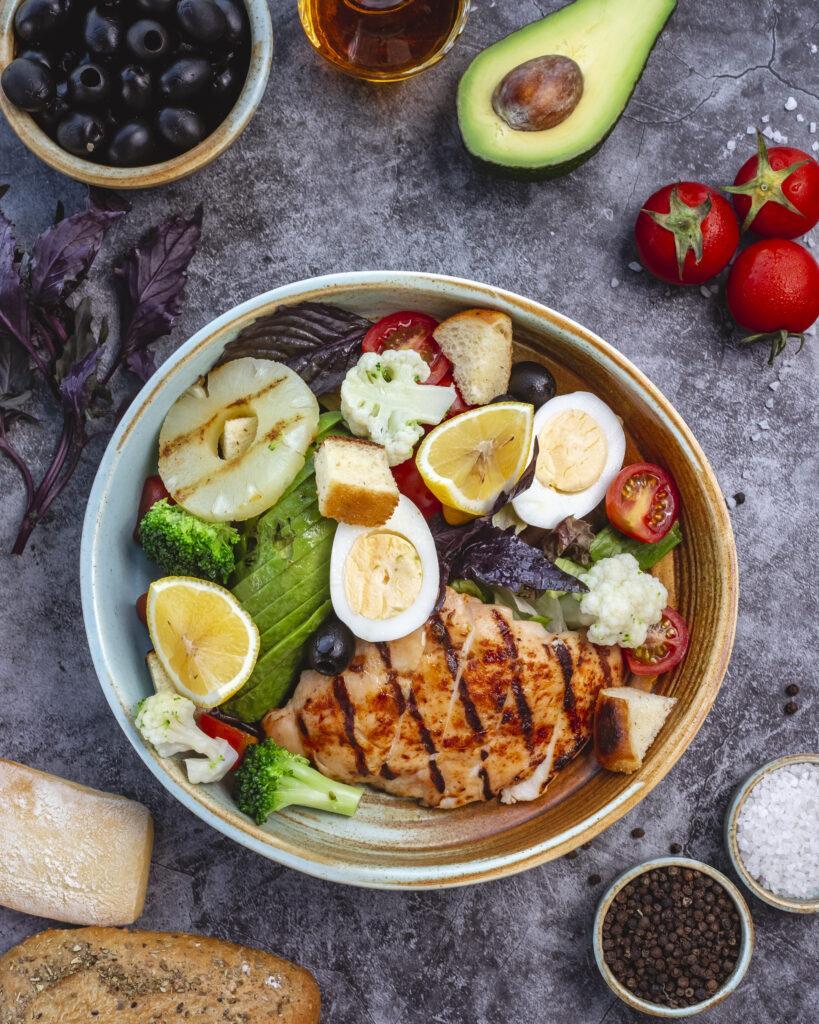
top view of healthy diet salad with grilled chicken broccoli cauliflower tomato lettuce avocado and lettuce 8DALR1d8qHAgAA

Conclusion


Eating for longevity and preserving muscle are not opposing goals. They are deeply connected. By prioritizing nutrient-dense foods, sufficient protein, healthy fats, and vitamin D, you support both strength and long-term health. Avoiding highly processed foods, excessive sugar, and chronic under-eating further ensures your muscles, bones, and metabolism remain resilient as you age.

To live longer while maintaining your muscles, focus on consistency over perfection. Small, sustainable choices, such as following a Mediterranean-style diet that includes a variety of vegetables and lean proteins, compound over time to preserve muscle, support recovery, and protect overall health.


Steroids4U.eu – Steroids4U.net – Steroids4U.to | Best EU Online Steroid Shop – Buy Steroids