nedeľa 15. mája 2022

Rebutting Myth: Increasing testosterone in women equals muscle gain, strength gain, and fat loss | Steroids4U.eu - Steroids4U.net - Steroids4U.to

 Rebutting Myth: Increasing testosterone in women equals muscle gain, strength gain, and fat loss


Do women need high levels of testosterone and growth hormone to build muscle, lose fat and gain strength? Find out why the answer is no.

In the complementary industry, there are many products that are used to achieve muscle growth, strength, or fat loss. One such product is a testosterone booster. These testosterone stimulators are generally avoided by women (and sometimes have recommendations against them) because of fears that they will cause androgenic side effects (which they do not cause) because they do not know how the product affects women's physiology.

Then there's the other side of the coin, where women look at a testosterone stimulator, believing that by increasing their testosterone levels, they will gain faster and experience the same results as men with increased testosterone. Both ideas are inaccurate.

This article will focus on the present, we will discuss the endogenous female testosterone response to resistance exercises and which hormones should be optimized to provide muscle growth, strength gain or fat loss in women.

Hormones

In addition to resistance training, anabolic hormones play an important role in hypertrophy, strength gain and fat loss. Two of the anabolic hormones in the body are testosterone and growth hormone (GH) (Kraemer, 1988).

TESTOTERONE

Women have less testosterone than men (normal total testosterone levels for men are 0.95-4.3pg / dl, compared to 0.7-3.6pg / dl for women). They also have less free testosterone, bioavailable testosterone in men is 0.3-5% (average is 2%), with their free testosterone levels ranging from 270-1100 ng / dl, compared to 6-86 ng / dl in women .

While testosterone levels in women may affect physiological adaptation to resistance training, studies suggest that muscle gains and strength gains occur with or without an increase in testosterone (Kraemer & Ratamess, 2005). Subjects Hickson, Hidaka, Foster, Falduto & Chatterton (1994) increased muscle mass and strength during a period of 16 weeks of resistance training, with no change in testosterone levels.

With the exception of Cumming, Wall, Galbraith, Belcastre (1987) and Nindl (2001), most studies that used acute or short-term (10-16 weeks) resistance training did not show significant changes (if any) in total or free testosterone in women in rooms, before and after training (Kraemer et al. 1998, Hickson et al. 1994). Nevertheless, women are still able to gain a lot of muscle and strength or effectively lose fat.

Although research has been at odds with the effects of resistance training on testosterone levels in women (Kraemer & Ratamess, 2005), long-term resistance training (eg over 6 months) has shown an increase in free testosterone in women at rest (and after exercise), (Häkkinen, Pakarinen, Kraemer, Newton & Alen, 2000; Marx et al., 2001), recommending that long-term training is required to elicit a hormonal response.

Studies also show that there is no difference in testosterone levels between hard-working athletes and women with sedentary lifestyles (Tegelman et al. 1990). However, the increase in strength and performance correlated with pre-workout testosterone levels (Krahenbuhl, Archer & Petit, 1978), leading Hakkinen et al. (2000) to suggest that testosterone levels in women indicate their training ability (although not necessarily their results).

GROWTH HORMONE

It has been suggested that other anabolic hormones, such as growth hormone, may be responsible for hypertrophy, strength gains, and poverty in women (Kraemer & Ratamess, 2005), these results being achieved without changes in testosterone levels.

Women naturally have higher growth hormone levels than men (Engstrom, Karlsson & wide, 1998; Widerman, Weltman, Hartman, Veldhuis & Weltman, 2002).

Exercise is a physiological stimulus for the release of growth hormone, and with resistance training indicates significant growth hormone secretion. The extent of exercise-induced growth hormone release is greater than in men (Wideman et al., 2002).

Resistance exercises with numerous sets increase and prolong the growth hormone response in women, compared to individual sets (Mulligan et al., 1996), and higher-volume resistance training elicits a greater growth hormone response than low-volume training (Kraemer et al., 1993). The highest growth hormone responses in women are observed in longer resistance sessions with a high overall workload using moderate to heavy weights (more than 70% 1RM) and shorter regeneration periods (Kraemer et al., 1993).

While acute resistance training has been shown to increase growth hormone levels in women at rest, long-term resistance training does not. However, long-term training still elicits a similar exercise-induced growth hormone response before and after resistance training (McCall et al., 1999).

Conclusion

Muscle gain, strength gain or fat loss in women are dependent on their testosterone levels. There are many factors that are involved in achieving each goal, including an increase in all anabolic hormones. Products that increase growth hormone (or both growth hormone and testosterone) would be a better choice for a woman who wants to optimize hypertrophy, strength or fat loss than using only a testosterone stimulator.

nedeľa 8. mája 2022

The healthiest foods to be in your diet | Steroids4U.eu - Steroids4U.net - Steroids4U.eu

 The healthiest foods to be in your diet


Many different foods are good and beneficial for our body. You may have heard or read about some of the effects. However, you have certainly not read about these foods and their effects on our body, on its proper functioning. Read this article and your teacher can advise you not to miss these foods in your daily diet.

1. Mixture of raw nuts / kernels (soaked, germinated)


so-called all-in-one food - all proteins, fats, sugars
contain vitamin E (helps reduce the risk of cardiovascular disease)
Omega-3 fatty acids (especially in walnuts)
are rich in L-Arginine (may help improve vascular function)
they have a high fiber content
A few benefits of soaked nuts:

decompose gluten
reduce phytic acid
facilitate digestion
increase the absorption of vitamins
they remove tannins

2. Meat from 100% grass-buffalo


Extremely dietary source of protein (even lower in calories, fats and cholesterol than most fish and poultry!)
It is rich in omega-3 fatty acids
has a high iron content (great especially for women!)

3. Quinoa


contains all the essential amino acids that make up a complete protein
is gluten-free, is a source of complex carbohydrates (quinoa is actually a seed, not a cereal)
has a high manganese content (antioxidant)
it also has a high magnesium content
is rich in fiber

4. Black rice


contains the same kind of antioxidants as found in blueberries, without sugar!
contains almost double the amount of fiber compared to brown rice
helps lower cholesterol
is gluten-free, is a source of complex carbohydrates

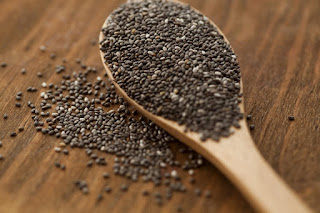
5. Chia seeds


high content of omega-3 fatty acids
excellent source of fiber (10g only in 2PL!)
are rich in antioxidants
adjust insulin levels
do not contain gluten!

6. Salmon (Alaskan, caught in the wild)


rich in omega-3 fatty acids
is a source of high quality protein
contains selenium (helps with thyroid function)

7. Organic eggs


are a pure source of protein
contain omega-3 fatty acids (in yolk)
are full of vitamins (like vitamin B, E, D,…)
contain biotin (great for hair, skin and nails!)
also contain potassium, choline, folic acid,…

8. Cauliflower


is full of antioxidants
contains almost 4g of fiber in only 1 cup
has a high content of vitamin K (helps reduce inflammation)
Many studies link cauliflower consumption to cancer prevention

9. Spinach


contains a huge amount of vitamin A (helps the body's immunity)
super food full of antioxidants
contains flavonoids (anti-cancer properties)
has a high iron content

10. Water


(Well, we know this is not food, but water is so important!). Drinking water has countless benefits.

nedeľa 1. mája 2022

BODY DETOXIFICATION AND CLEANING: WHAT IS IT OWN AND HOW TO NATURALLY SUPPORT IT? | Steroids4U.eu - Steroids4U.net - Steroids4U.to

 BODY DETOXIFICATION AND CLEANING: WHAT IS IT OWN AND HOW TO NATURALLY SUPPORT IT?


Each of us has probably gone through a period when he wanted to step in the right direction for a better self. We typically start a lifestyle change at the beginning of the year, in the spring or before the summer, when the swimsuit season is approaching. At the same time, various offers for juice or herbal detoxification treatments are appearing, which seem to give the impression of a unique recipe for weight loss, good health and perhaps immortality. Such an offer is then difficult to resist. Ultimately, however, after cleansing the body, an empty wallet and a real hunger await us.

Fortunately, none of us need these diets, procedures and detoxification treatments. Our body is able to take care of the elimination of harmful substances on its own, with the help of organs that ensure the body's natural detoxification. The great news is that with a few simple lifestyle adjustments, we can effectively support the body's natural self-cleansing ability. If we manage to apply them in everyday life, we will do much more for our health than fasting or detoxifying cocktails from vegetables and herbs collected during the full moon.

What exactly is detoxification?

First of all, it is necessary to distinguish what is and is not detox. This is not a special diet, juice cleansing or a weekly challenge, in which we are only allowed to eat fruits and vegetables. It is a way in which our body gets rid of waste or potentially dangerous substances 24 hours a day. Some of them arise directly in the body during metabolic processes, others enter our body from the external environment through food, drink or breath. After our body evaluates them as foreign or toxic, the word gets the body's detoxification system, which will do its utmost to eliminate them from the body.

What organs are involved in the body's natural detoxification?

Several organs are involved in the detoxification process:

liver
kidneys
digestive tract
lymphatic system
respiratory system
leather

Functions of individual organs in detoxification of the organism

The detoxification system of our body is complex and the organs involved in these processes then work closely together.

1. Liver

The liver is the most important organ in terms of detoxification. It can recognize toxic substances and decompose them with the help of enzymes so that they become soluble in water and can then be excreted in the urinary tract. The liver can also take care of the binding of these pollutants to the amino acids, with which they subsequently get out of the body in the manner already mentioned. With the help of the liver, our body gets rid of, for example, heavy metals, bacteria, viruses and other pathogens. We simply cannot do without the liver and it is the most important cleanser of the organism.

This organ is also important for the breakdown of alcohol (ethanol).

2. Kidneys

Our kidneys can filter the blood and get rid of by-products that arise, for example, during the metabolism of drugs and other undesirable substances. These are then excreted out of the body via the urinary tract.

3. Digestive (gastrointestinal) tract

A large part of waste products, which are formed as a by-product of metabolism, is removed from the body through the digestive tract. Furthermore, toxins that can enter our body from the environment through fluids or food.

4. Lymphatic system

Lymphatic vessels with lymph pass through the whole body and take care of the removal of waste products of metabolism, bacteria and other harmful substances. These then reach the lymph nodes, where they are filtered into the blood. They are then caught by the relevant organs, such as the kidneys or the liver, and these are easily excreted out of the body.

5. Respiratory system

The respiratory system acts as a filter for hazardous substances that we can inhale. The nasal cavities and lungs have a mucoid layer on the surface that serves as a protective barrier. Its purpose is to prevent the passage of dust and other foreign substances into the lungs and blood circulation. When exhaled, unwanted carbon dioxide is removed from the body.

6. Leather

The skin forms a barrier that protects us from the entry of viruses, bacteria and chemicals into the body. When sweating, harmful substances that are soluble in fats can get out of the body. Water-soluble toxins do not get through the skin.


How to support natural detoxification?

Therefore, we certainly cannot expect miracles from the spring cleansing of the body or various forms of fasting. It is much better to develop healthier habits. Thanks to them, you will support all the mentioned bodies that are involved in the removal of harmful substances. What are the specific steps? Nevertheless, a change in eating or exercise habits and other lifestyle changes verified over the years. The goal is not to have a sample menu or an ornate training plan from day to day. It will be enough if we gradually start working to improve and create new habits. Thanks to this, we will gradually adopt a healthy lifestyle, which will maximally support the body's ability to get rid of harmful substances, ie detoxify.

1. Eat less processed foods

When buying food, its composition must be checked. Although they are supervised by the relevant authorities in terms of health safety, if they contain so many ingredients that reading them would be enough to put the child to sleep, it will probably not be an ideal choice for our body. These are most often highly industrially processed foods. These typically contain high levels of refined carbohydrates, simple sugars, saturated fatty acids (fats), salts, preservatives, dyes, flavorings and other substances that lend them even irresistible taste properties. With all this, our body has to deal with it, which is a greater burden on the natural detoxification system. 

Highly industrial foods include most sweets, semi-finished products, instant meals, cold cuts or fried foods, as well as fast food or white bread. We may please the taste buds with such food, but the liver will not be so happy with them. Therefore, it is important to limit these foods in the diet as much as possible.

How to limit highly processed foods?

The diet should be dominated by staple foods such as cereals, potatoes, fresh meat, unsweetened dairy products, eggs, legumes, nuts and seeds, fresh fruits and vegetables. These foods should make up at least 80% of the diet.

When buying food, it is necessary to look for the content of simple sugars, saturated fats, salt and added substances in the composition. It is better to find a variant that contains as few as possible.

Replace processed fatty products such as sausages, salami, canned meat and other cold cuts with fresh meat.

Exchange purchased tithes and sweets for fresh fruit, nuts or unsweetened dairy products.
Plan in advance what we will eat and prepare food mostly at home.

We can also prepare the popular fast food menu at home from basic foods. This will give us more control over the final composition of the food. Such a home-made meat or vegetable burger with sweet potato chips will probably taste better than its commercial version.

BIO foods from organic farming are also worth trying. These typically contain less potentially harmful substances (residues of agrochemicals, etc.) compared to foods without this designation.

2. Limit your intake of simple sugars

Sugar in today's world is naturally found in sweets, pastries, salad dressings, dairy products and other highly industrially processed foods. The problem is that in excessive amounts it can have a negative effect on the function of the main detoxifying organs - liver and kidneys.

In the body, it is converted into glucose, which is a source of energy for movement and other functions of the body. Unused glucose then forms storage fat, which is stored in various parts of the body, including the liver. This can eventually lead to steatosis (fattening) of the liver, which negatively affects its function. High sugar intake is also associated with a negative effect on kidney function, which helps with the elimination of waste products from the body.

How to limit sugar intake?

Replace sweets with more suitable alternatives that have a lower sugar content, such as fresh or lyophilized fruits, protein bars, hot chocolate or nuts.

When baking, at least partially replace conventional sugar with erythritol or other low-calorie sweeteners.
Sweetened drinks are ideally replaced with clean water, which we can taste with fresh mint, lemon juice, a soluble drink without sugar, or with the help of flavored BCAAs.

3. Drink plenty of fluids

Water makes up about 60% of our body, making it a natural component of blood and lymph. It is involved in the transport of waste products and other harmful substances, which helps to eliminate them out of the body. If we do not drink enough, we are at risk of dehydration, which can manifest itself, among other things, in impaired renal filtration or digestive problems (constipation). Ultimately, this can cause the accumulation of harmful substances in the body. Therefore, it is important to think about adequate fluid intake during each day.

How to get a sufficient drinking regimen?

Drink at least 30-45 ml of water / kg body weight daily. The optimal amount is affected not only by body weight, but also by physical activity, ambient temperature or sweating.

Clean water is the best drink. However, we can diversify our drinking regime with teas, RTD drinks or flavored BCAAs.

It is nice to always have a bottle or a cup with a drink in your eyes, it will make us drink more.

We can also try to guard the color of the urine. Its light shade is considered a signal of sufficient hydration. 

Dark yellow already indicates a signal of dehydration.

4. Eat plenty of fiber

Adequate fiber intake is important for healthy digestion in many ways. The digestive system has an irreplaceable role in the excretion of waste products from the body, which is done through peristaltic bowel movements. And these are supported by insoluble fiber, which additionally binds by-products of metabolism and other undesirable substances from food when passing through the digestive tract. As a result, it is often compared to a brush that cleanses the intestines. Soluble fiber, in turn, slows down the passage of digestion through the intestine, and thus contributes to a more thorough absorption of undesirable substances. The recommended daily intake of fiber from food is in the range of 25-30 g.

How to increase fiber intake?

Add foods that are naturally high in fiber to your diet. These include whole grains and cereal products (pastries, pasta), pulses, fresh and dried fruits, vegetables, nuts and seeds.

We can also increase the intake of soluble fiber by adding psyllium or inulin to yogurts, smoothie drinks or muesli.

A comprehensive Daily Fiber supplement, which contains both soluble and insoluble fiber, can also help to achieve a sufficient intake of this substance.

5. Eat more probiotic and prebiotic foods

We also please the digestive system with a diet rich in probiotic bacteria and prebiotics. And why is it important? These bacteria serve as food for friendly microorganisms living in our digestive tract. If we feed these little friends well, they will repay us with a healthy environment in the intestines (microbiome). This is important for digestion and absorption of nutrients. The microbiome is also involved in creating a barrier restricting the entry of foreign substances into the bloodstream. As a result, it has a protective function and is an integral part of the body's natural detoxification system.

How to increase the intake of prebiotics and probiotics?

Prebiotics are a type of fiber that serves as food for healthy bacteria (intestinal microbiome). You will find them mainly in foods high in soluble fiber, such as legumes (lentils, beans, chickpeas), sweet potatoes, fruits (bananas, apples, berries), vegetables (garlic, onions) and whole grains (oatmeal, quinoa).

Probiotics are live and healthy bacteria, such as the genera Lactobacillus and Bifidobacterium, which are found in fermented products, such as yogurt, kefir milk, sauerkraut, kimchi, tempeh, kombucha, miso or natto.

You can also support your daily intake of probiotics with quality dietary supplements that contain 10 probiotic strains with 10 billion CFU (colony forming units).

6. Limit alcohol and say goodbye ideally

Do you drink alcoholic beverages only occasionally, or is beer or wine a common part of your drinking regime? In any case, it is a good idea to reduce alcohol or omit it altogether. Apart from a happier mood, it probably won't do us any good. It is a toxic substance that the body must get rid of through demanding processes. This is the responsibility of the liver, which converts ethanol to inactive acetic acid. 

If we go from party to party or end up with an alcoholic drink every day and don't let the liver breathe, it may return to its deteriorating function over time. Not to mention the monkey and poorer sports or mental performance. 

7. Stop smoking

Even the healthiest diet in the world will not save us if we inhale harmful substances from cigarette smoke every day. It contains more than 70 toxins that can cause a lot of damage in the body. Not only do we overload the body's detoxification system in this way, but we can also cause serious lung disease or cancer of this or another organ. The best way to prevent this is to stop smoking forever.

8. Be active

Regular sports and exercise is another great way to support the body's natural detoxification. At the same time, lung function is strengthened and the overall efficiency of this organ is increased. This makes it easier for the body to get rid of carbon dioxide and other harmful substances.

In addition, exercise improves blood flow to the body and increases lymph circulation, which is involved in the filtration of waste products and toxins. Last but not least, according to scientific work, enough exercise is also essential for maintaining a healthy liver and healthy kidneys. However, all this applies if we move sensibly and give our body enough space to regenerate.

How to move more?

It is ideal to look for as much natural movement as possible during the day. Let's try to take more steps by moving to work, city or coffee. It's also a great idea to replace the elevator with stairs.

Find a sport that will entertain us and do it several times a week.

We can try running, hiking, cycling, swimming, weight training, even in the gym or HIIT.

The perfect idea is to find a friend with whom we will motivate each other in sports.

9. Focus on quality sleep

Sufficiently long and quality sleep is key to maintaining overall health. In addition to replenishing energy, it also naturally detoxifies the brain. This effect occurs mainly during deep sleep (non-REM), when waste proteins that have accumulated in the brain during the day are removed. These substances can compromise the function of brain cells and therefore pose a risk of developing neurological diseases, such as Alzheimer's. For this reason, it is important that waste disposal takes place at regular intervals, ideally every night. So we have another motivation to make our sleep a priority and give it at least 7 hours every day.

How better to sleep?

If our daily activities allow it, let's sleep at about the same time.

Create an evening routine that will help us create a relaxing atmosphere.

Avoid caffeine in the afternoon.

Before going to bed, it is ideal to avoid working on a computer or scrolling on social networks, not to drink alcohol and not eat heavy meals.

10. Don't forget the lymphatic system

Unlike that, the lymphatic system does not have a cardiovascular pump to power it. Therefore, lymphatic vessels are dependent on our physical activity. Therefore, we can support their activity and function with movement or, for example, massages.

How to support the proper functioning of the lymphatic system?

Daily exercise and regular sports contribute to more efficient lymph flow throughout the body. As a result, waste products are better removed from the body.

Other ways to stimulate the lymphatic system include a visit to the sauna or alternating hot and cold water, a massage gun with a massage gun or professional lymphatic drainage.

Lymph is more than 90% water, so we should not forget about sufficient fluid intake. This helps to prevent the accumulation of lymph and the formation of swelling, which most often occurs on the lower limbs.

11. Try supplements to support proper liver function

Dietary supplements are another way to maximally support the detoxification function of the liver. They can't do wonders on their own, but if we work on the above-mentioned lifestyle changes, we can provide extra care for the liver. These are therefore biologically active substances that have scientifically proven positive effects.

What supplements can support the liver?

Marian variegated contains silymarin, which is a biologically active substance popular for its beneficial effects on liver regeneration.

Choline bitartrate is a source of choline, which is a bioactive substance that is able to reduce the accumulation of fat in the liver. As a result, it helps maintain its normal function.

Thus, in addition to the 2 substances mentioned above, the complex supplement to support the liver contains vitamins B1, B6, C as well as herbal extracts, which have antioxidant effects. As a result, it helps protect liver cells from the harmful effects of oxidative stress.

N-acetyl L-cysteine ​​is a key amino acid for the formation of the important antioxidant glutathione. It helps neutralize harmful free radicals and is also involved in the body's natural detoxification. For example, it can capture mercury in the body and help eliminate it from the body.

Chlorella, spirulina, green barley and other green superfoods are also used to support the body's natural detoxification, which contain a number of beneficial substances, especially the powerful antioxidant chlorophyll. Animal studies show that chlorella in particular is effective in removing heavy metals and other harmful compounds from the body.

What do you get out of it?

After reading today's article, we already know that we do not have to fast for several days or a cleansing diet to support detoxification. It is enough to make a few simple lifestyle changes. As part of the diet, it is appropriate to limit highly industrially processed foods and other foods with a high sugar content. It is also good to eat enough fiber and foods with probiotics and prebiotics.

Good sleep or regular physical activity is key to the body's natural detoxification, and other ways to support the function of the lymphatic system are also crucial. Reducing alcohol and other toxic substances is also an important step. We can therefore generally support our efforts with appropriate dietary supplements to support the liver.

nedeľa 24. apríla 2022

WHAT IS THE TURCESTERON, HOW IT WORKS AND CAN REALLY INCREASE THE TESTOSTERONE LEVEL? | Steroids4U.eu - Steroids4U.net - Steroids4U.to

 WHAT IS THE TURCESTERON, HOW IT WORKS AND CAN REALLY INCREASE THE TESTOSTERONE LEVEL?


If you are one of the fitness enthusiasts who will not miss any new trend from the world of supplements, you have probably heard of turkesterone. Interest in this substance is growing very fast in Europe. Turkesterone is also very popular in America among bodybuilders and other strength athletes. We can even hear about him in one of the most famous podcasts - The Joe Rogan Experience. Other personalities, such as Jeff Nippard or Dr. Layne Norton.

Turkesterone is a natural supplement that people promise mainly to support healthy levels of testosterone and increase it, more muscle growth and better athletic performance. And all this in a natural way and without unpleasant side effects as in the case of anabolic steroids. No wonder there is such a commotion around him. However, not all the gold that shines is over, so let's take a closer look at the effects of turkesterone.

What is turkesterone?

Turkesterone is a plant steroid that is most often obtained from herbs - from runaways such as Ajuga turkestanica. It comes from Central Asia and grows mainly in Uzbekistan. Turkesterone is one of the ecdysteroid hormones that support the growth of plants or insects, making them considered anabolic substances. Their other representatives include the slightly more famous Ecdysterone. They resemble androgens in their structure and are therefore popular among athletes as steroid substitutes, but also as dietary supplements to improve muscle performance and growth. And according to current knowledge, turkesterone is the most effective of them. 

Its chemical structure even resembles human testosterone, which we associate mainly with male health and also with muscle growth. As a result, turkesterone has reached the sights of many bodybuilders, bodybuilders and other athletes who want to get the most out of themselves. The level of testosterone in the body naturally decreases during life. Therefore, athletes who strive for maximum muscle gain are often looking for ways to keep testosterone in optimal levels or increase it, and thus take their form to a new level. 

In addition to the optimal training load, regeneration and a properly set diet, these athletes also try natural supplements containing bioactive substances and plant steroids, such as turkesterone. In addition, according to the latest research, it is safe for health and is not a doping substance, as is the case with testosterone. But does turkesterone really have the effects that are everywhere?

What do we promise most often from turkesterone?

After reading all these effects, it may occur to us that we have just discovered the holy grail of power sports. Many people claim that turkesterone has a positive effect not only on muscle growth, but also on many other areas of our lives. 

What are the effects of turkesterone most associated?

maintaining healthy testosterone levels and increasing it
growth of muscle mass
increase in strength
improving overall sports performance
support for fat burning and weight loss
more energy during the day
higher resistance to stress
support of brain functions
protection against depression
lowering blood sugar
anti-inflammatory effects
antioxidant properties
better digestion
support for immune functions
liver and heart health protection

Naming the effects of turkesterone thus looks very promising. However, these are unofficial effects that have arisen mainly on the basis of personal experience and assumptions. Unfortunately, only some of them are based on scientific evidence, but this may change in the future due to the limited amount of research on turkesterone so far.

What does science say about the effects of turkesterone?

Turkesterone is most often associated with testosterone support, muscle growth, better regeneration, athletic performance and higher mental endurance. But what does science say about the effects of turkesterone on these areas?

1. Testosterone level

At present, unfortunately, we do not find much research that would unequivocally confirm or refute the effect of turkesterone or other ecdysteroids on testosterone levels. According to one of them, there was no increase in testosterone in the blood when taking ecdysterone. On the other hand, experts mention another effect that could replace the increase in this androgen. According to them, turkesterone can bind to the estrogen beta receptor. It plays an important role in building muscle mass (hypertrophy), but also in its regeneration, thanks to which it can have similar anabolic effects as testosterone. However, this effect has so far only been observed in animal models.

It follows that if we want to increase or maintain a healthy testosterone level in the body, we prefer to continue to turn to more proven supplements.

Which substances can support healthy testosterone levels?

Zinc is needed, among other things, to make testosterone, but also to maintain its normal levels in the blood.

DAA or D-aspartic acid is an amino acid that plays an essential role in the very process of testosterone production in the body.

Fenugreek contains steroid saponins that are being tested for their promising potential to increase testosterone levels. In one study, an increase in total testosterone levels of 12% was even observed compared to baseline. In the case of this herb, further research is also needed to confirm its effects.

Tribulus Terrestris is an extract from the ground anchor, which also contains effective saponins, especially protodioscin. As a result, it is very popular and used to increase testosterone levels, libido and support reproductive functions.

Ashwagandha is an herb that has been shown in many studies to have a positive effect on increasing testosterone levels. In two of them, she even managed to increase the level of total testosterone by 15-40%.

The complex supplement in the form of AlfaMale Testobooster contains the already mentioned zinc, DAA, Greek hay, even beta-ecdysterone and other biologically active substances. It is therefore an effective combination of substances that can help optimize testosterone levels.

2. Muscle growth

Having even bigger muscles, without the effort and side effects of anabolic steroids, is a dream not only for most bodybuilders, but also for regular gym visitors. Many of them are already trying to achieve this by using turkesterone. This substance is thought to increase Muscle Protein Synthesis (MPS). At the same time, the body repairs, rebuilds and builds muscle mass.

The anabolic effects of turkesterone have been confirmed both in animal studies and in vitro (in a laboratory sample). Researchers have observed a 20% increase in muscle mass production. 

The research from 2019 also brought impressive results. Its participants were divided into 3 groups, with each of them using a different amount of ecdysteroids (ecdysterone).

After 10 weeks, the group taking the highest dose (800 mg) gained 2 kg of muscle.

In comparison, the group receiving the lowest dose (200 mg) achieved a muscle growth of 1.6 kg.
Participants with placebo had the least increase in muscle mass.

However, most experts are skeptical about this research. According to the subsequent laboratory analysis, the ecdysteroid supplement contained only 6 mg of active substance instead of 100 mg, which, according to them, is not sufficient for a more significant effect on muscle growth. In addition, body composition was measured using bioimpedance, which is not accurate enough for scientific purposes.

On the other hand, there is other research that has also been done with ecdysterone, which has not confirmed its positive effects on muscle growth. In one of them, strength training men took 200 mg, 800 mg or 1000 mg ecdysterone daily for 8 weeks. In none of the groups did the researchers notice any changes in testosterone levels, strength or body composition.

The effect of this substance on increasing muscle protein (MPS) synthesis in mice was further investigated. No positive changes in muscle mass formation were observed here. Even when co-administered with leucine, the anabolic effect of leucine was reduced. 

Although the results of some research seem promising, there are others that have come up with the opposite finding. Therefore, we are not yet able to draw definitive clear conclusions. There is currently a lack of quality research to demonstrate or disprove the anabolic effect of turkesterone. If our goal is to grow muscle mass, it is still true that the basis is a well-designed training and supplementation plan, menus, adherence to the principle of progressive overload and sufficient rest.

However, a comprehensive approach may also include scientifically sufficient and as yet insufficiently proven food supplements. They often lack relevant evidence of their effects, but on the other hand, it may depend in part on how convinced we are of their effectiveness, as placebo is also a great success.

3. Muscle regeneration

The support for muscle protein production (MPS) mentioned above also contributes to better regeneration. Thanks to faster repair of damaged muscles by training, we can train more often or more intensively.

According to some studies, ecdysteroids, which include turesterone, may also support leucine metabolism and its incorporation into cells. This essential amino acid is one of the most important in terms of repairing muscle-damaged muscle fibers. The paradox is that one study found the exact opposite. 

However, turkesterone is not a miracle substance that would relieve our muscle pain after exercise within an hour. In this regard, too, we should continue to rely on quality sleep, rest between workouts, adequate protein in the diet, and other methods that can promote regeneration. These include cold therapy, sauna or massage. To some extent, you can do it yourself with the help of a massage gun. In addition, you can try turkesterone or other supplements that will best suit your individual goals and requirements.

4. Better sports performance

As muscle mass grows, more strength typically goes hand in hand. However, this is not the only potential effect of turkesterone on athletic performance. According to many scientific studies, ecdysteroids can also generally help to increase the body's glycogen stores. These are then directly related to the production of energy in the form of ATP, which is the basic fuel unit in our body, as well as in internal combustion engines gasoline or diesel. Thanks to this, we can train for a longer time without feeling tired. So far, this effect has only been described in animal models. However, we will have to wait to confirm or refute the effectiveness on people.


Which substances can support sports performance?

Creatine helps restore ATP during physical activity. Thanks to this, the explosive power, which is important in strength, team and martial arts, is mainly supported.

Caffeine is one of the most popular stimulants in the world, which helps maintain alertness and concentration during training. According to research results, it supports strength or endurance.

Beta-alanine can increase athletic performance in high-intensity activities, which typically have a shorter duration. It can have a positive effect on the breakdown of lactic acid from working muscles.

Arginine forms nitric oxide (NO) in the body. This contributes to better blood flow to the working muscles, which can lead to a more efficient supply of nutrients and oxygen to the muscles. This can typically result in better athletic performance.

A complex pre-workout supplement, such as Thor, contains said caffeine, arginine, beta-alanine and other active ingredients. Overall, it will help prepare the body for intense exercise, and even improve it.

5. Adaptogenic effects

Ecdysteroids, including turkesterone, are also adaptogens. These substances are known for their positive effects on mental resilience, stress management and overall human health and well-being. According to research conducted so far, turkesterone can contribute to increased resistance to stress and better adaptation of the organism to demanding conditions. So it will help us cope with difficult life situations, stressful exams at school or new job challenges. Even in this case, however, we still have to make do with the results of animal research, and we still have to wait for those carried out on humans.

How is turkesterone typically used and dosed?

Turkesterone is most often found in the form of a plant extract in capsules or tablets, which is usually standardized at 10% active ingredient content.

It is recommended to take with food at any time of the day or before training, but never on an empty stomach.

The recommended daily dose of turkesterone is most often in the range of 500 - 1000 mg per day.

We can also calculate the recommended daily dose by multiplying 10 mg of this substance per 1 kg of fat-free weight of our body (Fat Free Mass). For example, an 80 kg person with 10% fat has 720 mg of turkesterone per day.

Is it necessary to cycle turkesterone?

Turkesterone is not an androgen and therefore should not suppress the body's natural production of testosterone. This is often the case with anabolic steroids. Therefore, it is not necessary to interrupt its supplementation for some time. In any case, most turkesterone users take a break of several weeks after 8 to 12 weeks of use. They want to prevent the body from adapting to this substance, which could lead to a gradual reduction in effect.

Does turkesterone have any side effects?

Unlike anabolic steroids, turkesterone is considered safe. It does not bind to androgen receptors in the body, which is considered to be risky with these substances. In this connection, there is no risk of side effects with normal turkesterone dosing. However, if you do not follow it or if you use this substance on an empty stomach, we may experience nausea or indigestion.


What do you get out of it?

To sum it up, we can say with certainty that turkesterone has some potential impact on improving some areas of our lives. On the other hand, these conclusions are based on a small amount of research and we lack evidence of an effect on the sporting population. However, at the usual dosage, it is a safe supplement, so that the effect of this substance can be convinced by everyone if they are interested.

When achieving set goals, such as muscle growth or optimizing testosterone levels, we should always follow the basic rules in training, diet and rest. Subsequently, we can add turkesterone as such a superstructure.

nedeľa 17. apríla 2022

The Importance Of Post-Workout Nutrition! | Steroids4U.eu - Steroids4U.net - Steroids4U.to

 The Importance Of Post-Workout Nutrition!

If you've just finished up an awesome workout and are trying to decide what to eat, then this article is for you!


From what I see on a daily basis, it's clear to me that most people in the gym are wasting their time investment. They're spending precious hours engaged in strength or endurance training programs that yield little or no results?

Need proof? When was the last time someone in your gym made any noticeable physical progress? In fact, when was the last time that you made any significant physical progress? Exercise training has the potential to yield huge returns on any given time investment. Isn't it a shame that most people don't ever see this magnitude of return?

Despite this disappointing reality, I'm here to tell you that hope is not lost. In fact, there's a very easy way to capitalize on your investment. You see, in most cases the exercise is not the problem. The problem is that people fail to invest in the other important commodity that, in combination with exercise, yields the biggest returns.

Now I could write a dozen articles focused on straightening out the nutritional problems of the world. In this article today, I intend to focus on what is, in my opinion, the most important aspect of exercise nutrition—eating during the post-workout period. The knowledge of how to eat during this time will maximize your efforts in the gym and yield the biggest returns on your time investment.

Remodeling And The Post-Workout Period

Exercise, both strength and endurance training, is responsible for countless health and aesthetic benefits. However the exercise itself is a significant physiological stressor. Perceived symptoms of this "stress" are often mild and include muscle soreness, the need for extra sleep, and an increased appetite.

These symptoms let us know that the exercise has depleted the muscle's fuel resources, caused some minor damage, and that the muscle is in need of replenishment and repair. While the words depletion and damage may sound like negative things, they're not if they only stick around for a short period of time. You see, these changes allow the muscle to adapt by getting better at the exercise demands placed on it.

Therefore if you're doing endurance exercise, the muscle will become depleted and damaged in the short run, but in the long run it will super compensate, building itself up to be a better aerobic machine. And if strength training is your thing, you'll tear down you're weaker muscle fibers in favor of building up bigger, stronger ones.

In all cases, exercise essentially tears down old, less adapted muscle in order to rebuild more functional muscle. This phenomenon is called remodeling.

While the remodeling process is much more complex than I can describe here, it's important for me to emphasize that this remodeling only takes place if the muscle is provided the right raw materials. If I plan on remodeling my home I can hire a guy to tear down a couple of walls, a guy to clean up the mess, and a guy to come in and rebuild better walls than the ones that came down.

But if I don't give that guy any bricks, how's he going to get anything done? If I don't give him the bricks, all I'll have in the end is a much smaller, unfinished house.

The same holds true with exercise remodeling. In particular, during the exercise bout and immediately following it, exercise breaks down our muscle carbohydrate stores and our muscle protein structures. Then, the immune system comes in to clean up the mess.

And finally, signals are generated to tell the body to rebuild. However, as I hope you can now see, without the proper protein and carbohydrate raw materials, this building can't take place. You'll be left with muscles that never reach their potential.

So with this analogy, I hope it's obvious that this post-exercise period is not a time to take lightly. Remember, you spent a significant amount of time in the gym breaking down the muscle for a good reason. You want it to be better adapted to future demands.

So to realize full return on your time investment, you need to give the body the raw materials it needs, namely protein and carbohydrates.

Feeding Hungry Muscles

As I mentioned earlier, all trainees (male or female), regardless of their chosen mode of exercise, must take their post-exercise nutrition seriously in order to provide the muscle with the raw materials it needs. As all types of exercise use carbohydrates for energy, muscle carbohydrate depletion is inevitable. Therefore a post-workout meal high in carbohydrates is required to refill muscle carbohydrate/energy stores.

However any ol' amount of carbohydrates will not do. You need to consume enough carbohydrates to promote a substantial insulin release. Insulin is the hormone responsible for shuttling carbohydrates and amino acids into the muscle. In doing this, carbohydrate resynthesis is accelerated and protein balance becomes positive, leading to rapid repair of the muscle tissue.

Therefore, by consuming a large amount of carbohydrates, you will promote a large insulin release, increase glycogen storage, and increase protein repair. Research has shown that a carbohydrate intake of 0.8 to 1.2 grams per 1 kilogram of body weight maximizes glycogen synthesis and accelerates protein repair. However, unless you've had a very long, intense workout, 1.2g/kg may be a bit excessive as excess carbohydrate can be converted to body fat.


Therefore I recommend 0.8g of carbohydrate per 1 kilogram of body weight for speeding up muscle carbohydrate replenishment while preventing excess fat gain (van Loon et al 2000a).

In addition, since muscle protein is degraded during exercise, the addition of a relatively large amount of protein to your post exercise meal is necessary to help rebuild the structural aspects of the muscle. After exercise, the body decreases its rate of protein synthesis and increases its rate of protein breakdown. However, the provision of protein and amino acid solutions has been shown to reverse this trend, increasing protein synthesis and decreasing protein breakdown.

Researchers have used anywhere from 0.2g-0.4g of protein per 1 kilogram of body weight to demonstrate the effectiveness of adding protein to a post-workout carbohydrate drink (van Loon et al 2000b, Roy et al 1998). As an increased consumption of the essential amino acids may lead to a more positive protein balance, 0.4g/kg may be better than 0.2g/kg.

While your post-workout feeding should be rich proteins and carbohydrates, this meal should be fat free. The consumption of essential fats is one of the most overlooked areas of daily nutritional intake but during the post workout period, eating fat can actually decrease the effectiveness of your post-workout beverage. Since fat slows down transit through the stomach, eating fat during the post workout period may slow the digestion and absorption of carbohydrates and proteins.

As your post-workout feeding should be designed to promote the most rapid delivery of carbohydrates and protein to your depleted muscles, fats should be avoided during this time.

Finally, another important factor to consider is the timing of this meal. It is absolutely crucial that you consume your post-workout meal immediately after exercise. As indicated above, after exercise, the muscles are depleted and require an abundance of protein and carbohydrate. In addition, during this time, the muscles are biochemically "primed" for nutrient uptake.


This phenomenon is commonly known as the "window of opportunity". Over the course of the recovery period, this window gradually closes and by failing to eat immediately after exercise, you diminish your chances of promoting full recovery. To illustrate how quickly this window closes, research has shown that consuming a post-exercise meal immediately after working out is superior to consuming one only 1 hour later.

In addition, consuming one 1 hour later is superior to consuming one 3 hours later (Tipton et al 2001, Levenhagen et al 2001). If you wait too long, glycogen replenishment and protein repair will be compromised.

In conclusion, when you decided to start exercising you decided to give up a specific amount of time per week in the interest of getting better, physically. However, if you haven't spent the necessary time thinking about post-exercise nutrition, you're missing much of the benefit that comes with exercising.

I assure you that once you start paying attention to this variable in the recovery equation, your time in the gym will be much better invested.

Whole Food Vs. Nutritional Supplementation

While I wholeheartedly believe that complete, unbleached, untreated, and unprocessed whole food should form the basis of any sound nutritional regimen, there are some instances in which supplements can actually be superior to whole food. In the case of post-exercise nutrition, I believe that liquid supplemental nutrition is far superior to whole food for the following reasons.

1. Liquid Meals Are Palatable and Digestible


Typically, after intense exercise, most people complain that eating a big meal is difficult. This is understandable as the exercise stress creates a situation where the hunger centers are all but shut down. However, as you now know, it's absolutely critical that you eat if you want to remodel the muscle, enlarge the muscle, or recover from the exercise.

Fortunately liquid supplemental formulas are palatable, easy to consume, and can be quite nutrient dense, providing all the nutrition you need at this time. In addition, since these formulas are structurally simple (I'll save the biochemistry for another article), the gastrointestinal tract has no difficulty processing them. Your stomach will thank you for this.

2. Liquid Meals Have A Fast Absorption Profile, Whole Food Is Just Too Slow


The latest research has demonstrated that liquid supplemental formulas containing fast- digesting protein (whey hydrolysates and isolates) and carbohydrates (dextrose and maltodextrin) are absorbed more quickly than whole food meals.

To put this into perspective, a liquid post-exercise formula may be fully absorbed within 30 to 60 minutes, providing much needed muscle nourishment by this time. However, a slower digesting solid food meal may take 2 to 3 hours to fully reach the muscle.

3. Liquid Meals Take Advantage Of The "Window Of Opportunity", Whole Foods May Miss It


The faster the protein and carbohydrates get to the muscle, the better your chances for muscle building and recovery. Current research has demonstrated that subjects receiving nutrients within one hour after exercise recover more quickly than subjects receiving nutrients three hours after exercise. Liquid nutrition is making more sense, isn't it?

4. Liquid Meals Are Better For Nutrient Targeting


During the post exercise period, specific nutrients maximize your recovery. These include an abundance of water, high-glycemic index carbohydrates, and certain amino acids (in specific ratios). It's also best to avoid fat during this time. So the only way to ensure that these nutrients are present in the right amounts is to formulate a specific liquid blend. Whole foods may miss the mark.

nedeľa 10. apríla 2022

7 Nutrition Tips For A Successful Transformation | Steroids4U.eu - Steroids4U.net - Steroids4U.to

 7 Nutrition Tips For A Successful Transformation


Don't let your diet ruin your transformation goals. Follow these 7 tips from successful BodySpace athletes and build a rock-solid nutrition program!

If you want to transform, you can't rely on your workouts alone to get the job done. Losing fat or building muscle takes a lot of hard work in the kitchen, too! Without a solid grasp of nutrition, you won't get the results you're training so hard for. If you want to make 2015 your best year yet, you need to go in with a failproof nutrition game plan.

Our BodySpace MuscleTech athletes are here to help! They know exactly what it takes to make the most of your nutrition so you can transform successfully. Implement their tips into your diet plan so you can efficiently burn fat and build muscle.

1. Adjust Calories On Non-Training Days

Many transformation hopefuls make the mistake of eating the same amount of calories on training days as they do on non-training days. "People don't fuel properly during their transformation process," says athlete and fitness model Tricia Ashley. "On training days, you need extra fuel to train and help your body repair."

Ashley recommends lowering your calories on non-training days and increasing them on training days. Her personal calorie count is 2,000 calories on rest days and 2,500 calories on working days.

Adjust your calories according to your weight, gender, goals, and workout intensity, but rather than wildly varying your calorie intake by the thousands, use Ashley's 500-calorie swing as a guide. You can source many of these calories from protein and extra carbohydrates, which will help fuel peak performance on your training days.

2. Listen To Your Body

You might think that eating healthy is black and white: You stick to a list of diet-approved foods and never stray. However, it's important to personalize your nutrition plan. "Don't neglect to account for how your body responds to different foods," says fitness model Jimmy Everett.

A particular food might be healthy, but it may not make you feel very good. If your body doesn't react well to something, don't include it in your diet plan. If you do cut something out, replace it with a different healthy option.

Don't force yourself to eat foods you hate or react poorly to simply because your plan calls for them.

3. Don't Be Too Restrictive

There's no question that, to lose body fat, you need to make better choices in the kitchen. Not-so-healthy foods that may have filled your plate before will most likely be omitted in your new plan. Don't, however, eliminate everything you love to eat at the onset of your journey.

"Focus on eating healthy foods as much as possible, but don't view any food as 'off limits,'" says personal trainer Lindsay Cappotelli. If you restrict yourself to only eating a few foods over and over, you'll go crazy, and your plan won't be sustainable.

"Know that if you make healthy choices for most of your carbohydrate, protein, and fat servings, there's room for a treat here and there. Balance is key," Cappotelli adds.

4. Power Up With Protein

A 2005 study in "The American Journal of Clinical Nutrition" found that when healthy adults increased their protein intake from 15 percent to 30 percent, feelings of satiety were significantly increased, while caloric intake and fat mass decreased.


Consuming 20-30 grams of high quality protein at each meal can also help increase rates of protein synthesis and boost muscular growth. In other words, protein is king! So, if you started your transformation and haven't increased your protein intake yet, now is the time.

Eating more protein doesn't necessarily mean you have to feast on meat every meal though. "Vegetarians can get their protein from lentils, beans, tempeh, and soy," says fitness competitor Danielle Beausoleil. "It's also important to keep in mind that the quality of your food impacts your body. The better the foods you put in, the better you'll feel."

5. Don't Fear Fat

Some people avoid dietary fat completely because they think it doesn't belong in a fat-burning diet. The truth is, however, that your body needs dietary fat to burn fat. "Studies have shown that eating nutrient-rich healthy fats such as omega-3 fatty acids can actually assist in fat-burning," says Beausoleil.

One such study suggested that six weeks of fish oil supplementation actually increased lean mass and decreased fat mass in healthy men and women.


"Healthy fats also help to decrease the level of cortisol in the body, helping control stress levels," Beausoleil adds. Additionally, combining fish oil with exercise has been shown to not only reduce body fat, but also improve cardiovascular and metabolic health.

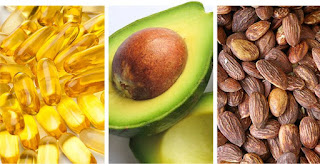
Beausoleil recommends a diet rich in healthy fats from fish, fish oil, nuts, avocados, and olive oil, coupled with fibrous vegetables, low-glycemic fruits such as berries, and, of course, ample protein.

6. Decrease Calories Slowly

Going from 2,500 daily calories down to 1,500 in one fell swoop can leave you feeling hungry, deprived, and frustrated. It's much better to cut back slowly. "I suggest starting with a 200-calorie decrease [from what you're eating currently] and then slowly increasing activity and intensity levels," says fitness model James Pulido.

Decreasing your calories slowly will help ensure that you see ongoing results. If you drop your calorie intake too quickly at the start of your journey, you'll have nowhere to go from there.

Beginning with the minimum effective dose of dropping calories and adding cardio ensures that you'll be able to progress for the long haul.

7. Stay Hydrated

"Staying hydrated is crucial to the fat-loss process," says model Jimmy Everett, "so make sure you drink enough water."

Hydration can impact everything from your metabolic rate to your energy levels. Too many people walk around all day in a partially dehydrated state, causing them to feel fatigued when they shouldn't be and eat when they really just need a drink.

How do you know when you're properly hydrated? The simplest way is to look at the color of your pee. Your goal should be to get your pee the color of lemonade—if it's looking more like apple juice, then you need to increase your fluid intake.

If you take a multivitamin, you may notice that the color of your urine is a neon yellow (due to excess riboflavin), so keeping track of how often you make a trip to the bathroom (aim for a trip every couple of hours) might be a better option for you.

Don't try to hydrate with energy drinks and coffee. If you don't like regular water, flavor it with some BCAAs or lemon slices.

(bodybuilding.com)

nedeľa 3. apríla 2022

Build Your Burn | Steroids4U.eu - Steroids4U.net - Steroids4U.to

Build Your Burn


Most people will look to cut weight at some point in their fitness journey. Whether you are cutting for a competition, looking to lose 50lbs, or somewhere in the middle, the basics are the same. From the gym to the kitchen table to your supplement stash, here's the info on what it takes to drop fat and get lean. We've got the tools and information you need for healthy weight loss success.

Kick Up The Intensity

Step one is to get moving. No matter your fitness level we have the perfect fat loss workout plans from top industry experts and trainers to help you reach your weight loss goals. 

Beginners: If you're ready to get in shape but not sure where to start, Transformed is a great starting point. This guided, complete transformation journey covers every angle of fitness, from exercise to nutrition to supplements. It isn't just a short-term diet and workout plan—you'll learn healthy habits you can keep for life.

Intermediate: If you’ve been putting in work at the gym for a while and now it's time to reveal the definition, Blueprint to Cut is for you. When it's time to uncover your hard work for a contest, a big event, or just because, this classic cutting plan will help you lean out in 8 weeks.

Advanced: If you already have a solid workout foundation and want to get (or stay) lean without having to greatly restrict calories or do heaps of monotonous cardio, then Chiseled is for you. Fitness model and athlete Kizzito Ejam is known for being shredded 365 days a year. He designed this sustainable fat loss program to keep his body in shape for the long haul. 

If you’re happy with your current workout split but want to layer in some extra cardio, Hannah Eden’s 10 Minute Meltdown is a great choice. In just 10 minutes a day you can kick up the calorie burn first thing in the morning, on your lunch break, or after work. Even on your busiest days, you can work in a quick burner. 

Abs Are Made In The Kitchen

It might be a bit cliche but it’s absolutely true. You can’t outwork a bad diet. The key to losing weight is simple: keep your calories in lower than your calories out. Seems easy, right? Well, if that was the case then we’d all be rocking six pack abs. In reality, it’s often difficult to get that ratio down. To dial it in, you need to know how many calories you need each day to maintain, then determine how many calories you burn from exercise, and then determine what meal plan will help you get 

Not sure how to get started on a meal plan? Check out our top nutrition articles to help you land on the ideal diet for your goals. Or, for an even easier option, check out a meal delivery kit like Flex Pro Meals to take the guesswork out of meal planning. 

Stack The Deck

Once you’ve landed on a solid workout program and meal plan, the next step is to layer in a few key supplements to help you accelerate your weight loss.  

Whey Protein 

Having a whey protein supplement while losing weight can play a huge role in your success. Whey protein helps give you the needed nutrients (Protein & Amino Acids) for your muscles to recover after those tough workouts without adding a lot of calories and carbohydrates to your diet. It may also help you feel fuller for longer periods of time. 

Fat-Loss Supplement

While there may not be a magic pill, there are fat-loss supplements that can help you lose weight more effectively in conjunction with a good workout program and diet.

Multivitamin 

Just like a car needs oil to operate effectively, our body needs a certain amount of vitamins and minerals to operate effectively. This is especially important when you are trying to lose weight and a multivitamin will help ensure you’re filling any potential gaps in your diet. 

(bodybuilding.com)