nedeľa 12. júna 2022

HOW TO DRAIN THE BODY AND REDUCE WATER RETENTION? | Steroids4U.eu - Steroids4U.net - Steroids4U.to

 HOW TO DRAIN THE BODY AND REDUCE WATER RETENTION?


It seems to you that you suddenly have some swollen legs, the ankles are slowly invisible, the whole body is somehow heavy, it is more voluminous and you do not feel in your skin at all? Don't worry, you don't have to panic right away that you've gained a few pounds of fat or look for dehydrating detoxes and diets. Excessive water retention will first be to blame. There can be several reasons for this, and many times you will even be able to deal with this problem on your own. Therefore, in today's article, we will take a closer look at the role of water in the body, what causes its excessive retention and how you can get rid of its excess.

How much water do we have in our body and why is it so important?

In the adult, water makes up about 45-65% of the body, most of which is intra-cell water and a smaller part is extracellular. Especially for men, the share of total water in the body is close to the upper limit, for women it is around 55%. This is due, for example, to the fact that men have more muscle mass that contains water. It is normal for the volume of water in the body to change by about 5% during the day. It can be caused by what you eat, how much you sweat, or if you exercise. Let's show how this affects our weight in practice. 

For an average 80 kg man, who has 65% water in his body, water weighs about 52 kg. With 5% fluctuations, the weight of water can change by 2.6 kg. It is therefore quite normal for the weight of this average man, just for less or more water retention, to be in the range of 77.4 - 82.6 kg for several days.
For an average 65 kg woman who has 55% water in her body, water weighs about 36 kg. With 5% fluctuations, the weight of water can vary by 1.8 kg. It is therefore common that the weight of this average woman can only change and range from 63.2 to 66.8 kg in relation to water retention.
When you see how much water can affect your weight, you may have just called it the number one enemy that just confuses your head and sabotages progress. But it definitely won't be that way. Water has a number of important functions in the body, without which we would not be able to function.

What functions does water have in the body?

Without water in the body, we would not be able to function and we would not survive a single day. It is involved in vital processes.

It is a natural part of every cell. You would not be able to exist without it.
It regulates our internal body temperature, for example by sweating.
It is involved in the transport of important nutrients.
Helps with the excretion of waste products (eg urine).
Moisturizes tissues in the eyes, nose and mouth.
It helps dissolve micronutrients so that they are better available to the body.
Protects body organs and tissues.
Lubricates joints.

And these are just some of the functions that water participates in. We should therefore see her primarily as a friend who helps us to function properly. The importance of water is also evidenced by how its scarcity manifests itself. After only a few hours without drinking, we can begin to observe the first signs of dehydration, which may gradually worsen. These include, for example, thirst, muscle weakness, dizziness and headaches. You can read more about these negative manifestations and the importance of hydration in the article How an insufficient drinking regime affects health.

How much water should we drink?

Although water is important in the body, this does not mean that we should overwhelm 10 liters a day. In this case, it is not true that more is better. Its excessive intake also has its pitfalls, which can lead to water intoxication and actually causes the so-called hyponatremia. It is a condition in which ions in the body (especially sodium) are diluted due to excessive water intake, the body collapses and there is a risk of death. This dilution is further exacerbated by the fact that, for example, athletes lose sodium by sweating. However, ordinary water will not replenish it.

The results of a study of 488 runners participating in the marathon showed that hyponatremia occurred in a large proportion of non-elite athletes. There are even cases where a person has died of hyponatremia. One of them was the runner of the Boston Marathon in 2002. Athletes who engage in high-intensity training or several-hour endurance activities should therefore supplement ions in addition to fluids, for example in the form of tablets or a sports drink. 

Therefore, try not to drink much or too little. It is ideal to adhere to the recommended intake of 30 - 45 ml per kg body weight. If you are playing sports or it is a hot summer day, it can be a bit more. However, optimal water intake is just one of many factors that affect whether we retain more water and are swollen. It is not enough to just drink the ideal amount of fluids. Other factors also play a role.

Causes of excessive water retention in the body

If you have recently woken up swelling, with a feeling of a heavy body, and your clothes are a little tighter, you are definitely looking for possible causes of the problem. Here are some of them.

1. Hormonal changes

The most common hormonal changes in women are related to the menstrual cycle. Especially during the luteal phase, which begins after ovulation and ends on the first day of menstruation, the hormone progesterone increases, which in itself can have an effect on higher water retention and swelling. However, it can also increase our appetite for highly processed foods rich in carbohydrates and salt. And more food, especially highly processed food, can go hand in hand with higher water retention. A swollen body and similar problems due to hormonal changes can be observed by women during pregnancy or menopause. Hormonal changes caused by contraceptive use may also play a role in water retention.

2. Changing eating habits

If we were to point out one type of food that can cause higher water retention in the body, it would be ultra-processed foods rich in carbohydrates and salt. The sodium contained in the salt contributes to water management in the body and its excessive amount can also cause higher water retention. However, carbohydrates also play a role. One gram of stored carbohydrates in muscle (glycogen) naturally binds about 3 g of water. So if you ate for a while, e.g. low-carbohydrate and suddenly you have returned to your earlier eating habits, a bulkier body may be a common side effect.

3. Lack of movement

People who have a sedentary lifestyle can often experience more water retention. The feeling of heavy and swollen legs can, of course, also cause a long sitting, during which the body is not able to pump blood so efficiently. Due to gravity, the ankles then swell. Typically, this problem occurs during long journeys when we sit in a car, bus, or plane for several hours.

The movement of the body during activity helps to dilate blood vessels and supports the circulation of water in the body. Physical activity increases blood flow, which redistributes body fluids. This can be manifested, for example, by a reduction in the swelling of the lower limbs. Sports can also help move the lymph or reduce cellulite. 

4. Inadequate drinking regime

We have already discussed the consequences of excessive water intake in connection with hyponatremia. Of course, insufficient fluid intake also has its negative effects. It does not work in such a way that when water is retained, it is enough not to drink and wait until the body gets rid of excess fluid. In this case, the principle is rather the opposite. The body tends to begin to perceive water as an insufficient commodity and to hold it as best it can. Instead of getting rid of the water, he then tries to hold back every drop you give him. And so you support irrigation even more. Despite the fact that waste accumulates in the body, which should be excreted in the urine.

5. Excessive stress

During stress, the level of the stress hormone cortisol increases in our body. It directly affects ADH (antidiuretic hormone), which affects the body's water management. Therefore, due to stress, water can be retained in the body and swelling can occur. 

Adaptogens can also help you manage stress. You can find out how they work and which are really effective in the article Adaptogens: Natural substances that help manage stress.

6. Lack of sleep

You may not have known how much sleep can affect body water. Lack of rest is perceived by the body to some extent as stress, which can again lead to an increase in the levels of the stress hormone cortisol. And as we already know, it affects the antidiuretic hormone, as a result of which it can cause higher water retention in the body. Lack of sleep can also affect the levels of the hormones of hunger and satiety (leptin and ghrelin). Therefore, you may feel less satisfied after a meal and naturally look for more caloric, highly processed foods rich in salt and carbohydrates. And these can increase water retention.

If you are interested in the other negative effects of lack of sleep, you should not miss our article What happens to your body when you sleep little?

7. Hot weather

Do you happen to hold more water during hot summer days? The blame is the hormone aldosterone, which is involved in saving fluids in the body. This allows the kidneys to retain more water, in addition to reducing the amount of salt in the sweat. Therefore, there will be more left in the body, thanks to which our body is able to retain more water and ensure optimal hydration. Of course, the feelings of a swollen body can also be an accompanying phenomenon.

8. Drinking alcohol

Have you ever tried to have a few beers to quench your thirst? In addition to the monkey, you could also have a nice dehydration and a swollen body in the morning. How is it possible?

Alcohol is known to have diuretic effects. After consuming it, the body gets rid of more water through the urine, and thus dehydration occurs. The body responds by trying to hold back water so that it no longer loses water. As a result, after a party, you can often fight swelling of the face, legs and other parts of the body. 

In addition to dehydration, swelling is also caused by an imbalance of electrolytes, which the body gets rid of in the urine. Excessive sodium intake via salt can also lead to it, for example. When you fold the drinks with salty chips, peanuts and end the ride with a kebab at the station while waiting for the night bus, you give the body another boost to hold back the water. 

Abstinence is the easiest way to avoid swelling due to alcohol. However, if you like wine, beer or a drink, always try to supplement it with soft drinks and avoid consuming ultra-processed foods that you would not eat as sober.

9. Regular use of drugs

If you have a health problem and take medication regularly, this may be one of the reasons why your body is holding more water and you are feeling swollen. In addition to the aforementioned hormonal contraceptives, corticosteroids, non-steroidal anti-inflammatory drugs and some types of drugs for type 2 diabetes can also cause this problem. 

10. Problem with the lymphatic system

The lymphatic system plays a key role in maintaining fluid balance in the body. If you have difficulty with it, it can either swell the whole body or only in one place (so-called local lymphedema). If you have problems with the lymphatic system, a healthy lifestyle, compression clothes or, for example, a lymphatic massage can help. Of course, it is advisable to see a doctor and consult him. 

As you can see, there can be many reasons why your body retains water. Fortunately, there are many ways that can help us get rid of this problem. Don't worry, we won't recommend extremes such as a long sauna, a hot water bath, running in a winter jacket when it's 30 ° C outside, avoiding food or drink, and so on. Such approaches do not belong to the healthy lifestyle of an ordinary person. Therefore, let's leave them to athletes who drain before the race.

So we will focus on how to ensure a healthy level of water in the body, with which you will feel good and you will not be bothered by unpleasant feelings. However, always keep in mind that its volume in the body is variable, which can cause various changes in your weight. So don't make a big deal out of it and don't worry if one day you lose a pound more than you normally do.


7 tips to get rid of excess water in the body

If you are a healthy part of the population and your body is hydrated and swollen, there may be some area of ​​your lifestyle behind it. Fortunately, you can greatly influence it yourself and include changes in it, with which you can reduce water retention in the body or get rid of it completely.

1. Do sports and be on the move during the day

Lack of exercise is one of the main reasons why the body retains water. Each of us used to sit at school or office all day, and in the evening he felt the hem of his socks press against his swollen ankles, and his legs also weighed on him, didn't we? People who have a sedentary lifestyle are significantly more likely to experience swelling due to water retention during their lifetime. Lack of exercise goes hand in hand with obesity, which is also associated with higher water retention in the body. 

Thus, movement will help to stimulate the lymphatic system, blood circulation and flushing out unnecessary substances from the body, it will also help to move the whole body. It can also help us maintain an optimal weight and thus a volume of water in the body. Regarding general exercise recommendations, each person should devote at least 150 minutes of moderate-intensity activity or 75 minutes of high-intensity activity per week. However, this is the bare minimum. It will be ideal if you try to include a higher number of activities in your life. And it's up to you whether you go for a walk, a gym, a bike ride or a swim. Everything counts. 

Don't know which sport to start with? The following articles could be an inspiration for you:

How to start running? Simple guide even for complete beginners.
Mental well-being, weight loss and better sleep. What are the other benefits of tourism?
Strength training for women? Yes! 12 reasons to exercise and strengthen.
Cycling strengthens the legs, buttocks and helps with weight loss. What else can he do?

Don't forget to move while traveling

Try to move while traveling. Sitting in a car for a long time, while teasing to make your ride run faster, is a situation created to keep water in your body. All the more so when you drink little so that you don't have to stop at the toilet all the time. Whenever you can, try to walk, stretch or do a few squats. It should also be a matter of course to change positions for longer sessions. It can also help that you exercise your ankles in a circular motion and do not cross your legs while sitting.

2. Watch your salt intake

Surely you have heard that you need to guard your salt intake in your diet. But why is that so? In addition to the fact that regular high salt intake can gradually lead to the development of health problems, including high blood pressure or other problems with the cardiovascular system, it can also be the cause of excessive water retention. Salt is a source of sodium, which is one of the main electrolytes involved in water management in the body.

It is generally stated that a person should consume about 5 g of salt per day. The amount can be a little higher for very active athletes who sweat more and can lose a relatively high amount of salt. However, a large part of the population consumes much more salt, about 9-12 g per day, which is about twice the recommended daily dose. Its aim should therefore be to reduce this amount. 

How to reduce salt intake?

Avoid fast foods and ultra-processed foods. One fast food menu can playfully cover the total recommended daily salt intake.
The easiest way to optimize your salt intake is to prepare food at home. In this case, you have control over how much you used to cook.
When preparing meals, also keep in mind that the taste of the food can be improved in other ways than just salt. How about giving herbs, for example?
If you use spice mixes, read their composition. They often already contain salt, so there is no need to get any food.
Keep in mind that you already eat salt from common foods, such as cheese, cold cuts or pastries, so you don't need to salt any more food.
If you want to focus on salt intake, read the information on the packaging, where you will also find information about the amount of salt used. You may be surprised to find it in products you wouldn't expect.

3. Optimize carbohydrate intake and eat healthier

Don't worry, we won't tell you a story right now about the bad carbs that may be gaining weight. This myth is perhaps long since refuted. Of course, this does not mean that you should stop dealing with their income. If you eat one sweet after another during the day, have breakfast cones or buns, and drink it all with a sweetened drink, a fruit smoothie or flavored milk, it is likely that you are overdoing it with carbohydrates. And, as we have already said, carbohydrates bind water, which can lead to swelling due to their excessive intake.

You may have a solution in the form of a low-carb diet. But you better not get involved. It can happen that due to lower carbohydrate intake, the body will retain less water, so the weight will drop rapidly during the first days. However, this style of eating is not sustainable in the long run for many people. Well, guess what happens when a person returns to their old eating habits, which include higher amounts of carbohydrates. Sure, the water comes back and he's mass where he was. 

Therefore, do not be tempted by these results and rather focus on a quality diet in which all macronutrients will be in balance. Keep to the golden mean and don't overdo it. If you don't know how much protein, carbs and fats you should eat, our energy intake calculator will calculate everything for you.

4. Drink plenty of water

Optimal hydration is the basis for a properly functioning healthy body. We should not drink so much or so little. The ideal amount is generally considered to be an intake of 30-45 ml of water per kg of body weight. You should try to approximate these values ​​even if you are bothered by water retention. You definitely don't have to worry about fluids. It does not work by drinking 500 ml of water and swelling immediately. There are a number of factors that affect what happens to the body in the body.

Also, you shouldn't be in a situation where you find that you only drank one glass of water a day and start catching up. First, you would spend the whole next night constantly going to the toilet, you could also put an unnecessary strain on your kidneys. Their water filtration rate is approximately between 0.8 - 1 l of water per hour. Therefore, we should not absorb more water suddenly.

Therefore, distribute the required fluids evenly throughout the day. So that you don't forget to drink, you can set a regular reminder on your phone to drink a glass of water. You will see that you will gradually get used to it and in time you will no longer need comments.

It is quite possible that not only will your problems with a swollen body improve, but thanks to a sufficient intake of fluids, you will also avoid the unpleasant symptoms of dehydration.

5. Learn to manage stress better

We all feel a certain level of stress in life, this is normal. There is even positive stress that can help us wake up the body and get the most out of it. However, if we feel stress that limits us for a long time, more of the stress hormone cortisol is flushed out in our body. This can ultimately result in greater water retention. 

There are many ways to better manage stress, you just need to find one that suits us. Perceived tension and cortisol levels can help us reduce, for example, sports activity, sufficient rest, a relaxing bath, meditation or, for example, a walk in nature.

6. Get enough sleep

Sleep has a big impact on many areas of our lives. And water retention is no exception. Good sleep is therefore essential for maintaining hormonal balance in the body, which in turn affects water management. For this reason, it is ideal that we enjoy a 7-9 hour, undisturbed sleep every day.

7. Try supplements

The key to a healthy body that will not need to retain excess water is, above all, a healthy diet, exercise, adequate sleep and a life without excessive stress. There are, of course, dietary supplements that can help you on this path to getting rid of excess water. Which are they?

Electrolytes help replenish trace elements that a person loses after, for example. Because some of them (such as sodium and potassium) are involved in water management, optimal intake can help prevent excessive water retention.
Potassium, together with sodium, is involved in the body's water management. Optimal potassium intake can therefore help prevent excessive water retention. 
Water loss is a unique complex of natural extracts, magnesium and vitamin B6 for women who feel that their body is retaining excess water. It contains plant extracts that are considered natural diuretics. As a result, they can help eliminate excess water.
Caffeine is a substance we also know from its diuretic effects. However, research suggests that the body is able to adapt to regular intakes of higher doses of caffeine, which gradually reduces this effect. 
Magnesium with its function in the body is connected with other electrolytes, which affect the body's water management. In addition, research shows that this mineral can help reduce water retention in connection with PMS.
According to the results of scientific research, dandelion extract can increase the frequency of urination and thus help reduce water in the body.
You can also give a chance to other herbs, such as fennel, horsetail or nettle, which are also associated with diuretic effects.

What do you get out of it?

After reading today's article, you already know that the amount of water in our body is affected by a number of factors. However, some fluctuations are a natural phenomenon in this regard, so there is no point in stressing that you have a pound more today than yesterday. If you want to feel good in your body, focus on a healthy diet, drinking regime, adequate exercise, quality sleep and better stress management. You will see that you will feel better and your body will have no reason to retain excess water. And if you can't get rid of this problem even with a proper lifestyle, you can try to see a doctor.


nedeľa 5. júna 2022

What to avoid after exercise? | Steroids4U.eu - Steroids4U.net - Steroids4U.to

 What to avoid after exercise?


After exercise, your body needs protein for the regeneration process to run efficiently. If you lie down after training and do not supply the body with the necessary nutrients, the process of muscle regeneration may be disrupted and you may lose muscle mass.


Nothing puts you more on your feet after a hard workout than a supply of protein. You may also rely on an honest rest on the couch. Please read on before you make yourself too comfortable. If you've been through a hard workout, you know that consuming protein is needed to get essential amino acids (EAAs), especially leucine, to restore and grow muscle. In a recent study, Dutch researchers found out what can reduce the amount of EAA needed for muscle tissue in the "anabolic window" after training. At the beginning of the study, the researchers considered other factors that may reduce the absorption of EAA. Protein forms play a big role e.g. fast-digesting whey gets more EAA into the muscles than slower casein digestion. Absorption also depends on when the food is consumed, how much you consume, how much your food contains EAA, how the food is composed, how it is prepared and how it is eaten. All of these factors may affect the absorption of EAA. The aim of the study was to find out if something as simple as body position could affect this process. The researchers tested eight healthy men who abstained from alcohol and strenuous physical activity for two days before each test and fasted the evening before the test. The next day, their blood was taken and everyone was given a protein drink. After eating, four men remained seated while the other four lay in bed. All participants were bled every 15 minutes for the next 4 hours. This test was repeated once a day for 14 days. At the end of the study, the researchers concluded that men who were in a supine position had significantly lower blood EAA levels than participants in upright positions. This is important for those who prefer strength training, because after training in the so-called. The "anabolic window" when muscle repair and growth occurs is important to how much of the person in question has received the right nutrients. As to why this is the case, the researchers pointed to published computer modeling studies that have shown how difficult it is for the stomach contents to continue to move through the digestive tract while lying down.

It is not reasonable to think that after a hard workout you are doing your body a favor by lying down and sipping your protein shake while your body relaxes and absorbs all that goodness. Therefore, resist this temptation at least until your anabolic window closes.

nedeľa 29. mája 2022

Rebutting Myth: Increasing testosterone in women equals muscle gain, strength gain, and fat loss | Steroids4U.eu - Steroids4U.net - Steroids4U.to

 Rebutting Myth: Increasing testosterone in women equals muscle gain, strength gain, and fat loss


Do women need high levels of testosterone and growth hormone to build muscle, lose fat and gain strength? Find out why the answer is no.

In the complementary industry, there are many products that are used to achieve muscle growth, strength, or fat loss. One such product is a testosterone booster. These testosterone stimulators are generally avoided by women (and sometimes have recommendations against them) because of fears that they will cause androgenic side effects (which they do not cause) because they do not know how the product affects women's physiology.

Then there's the other side of the coin, where women look at a testosterone stimulator, believing that by increasing their testosterone levels, they will gain faster and experience the same results as men with increased testosterone. Both ideas are inaccurate.

This article will focus on the present, we will discuss the endogenous female testosterone response to resistance exercises and which hormones should be optimized to provide muscle growth, strength gain or fat loss in women.

Hormones

In addition to resistance training, anabolic hormones play an important role in hypertrophy, strength gain and fat loss. Two of the anabolic hormones in the body are testosterone and growth hormone (GH) (Kraemer, 1988).

TESTOTERONE

Women have less testosterone than men (normal total testosterone levels for men are 0.95-4.3pg / dl, compared to 0.7-3.6pg / dl for women). They also have less free testosterone, bioavailable testosterone in men is 0.3-5% (average is 2%), with their free testosterone levels ranging from 270-1100 ng / dl, compared to 6-86 ng / dl in women .

While testosterone levels in women may affect physiological adaptation to resistance training, studies suggest that muscle gains and strength gains occur with or without an increase in testosterone (Kraemer & Ratamess, 2005). Subjects Hickson, Hidaka, Foster, Falduto & Chatterton (1994) increased muscle mass and strength during a period of 16 weeks of resistance training, with no change in testosterone levels.

With the exception of Cumming, Wall, Galbraith, Belcastre (1987) and Nindl (2001), most studies that used acute or short-term (10-16 weeks) resistance training did not show significant changes (if any) in total or free testosterone in women in rooms, before and after training (Kraemer et al. 1998, Hickson et al. 1994). Nevertheless, women are still able to gain a lot of muscle and strength or effectively lose fat.

Although research has been at odds with the effects of resistance training on testosterone levels in women (Kraemer & Ratamess, 2005), long-term resistance training (eg over 6 months) has shown an increase in free testosterone in women at rest (and after exercise), (Häkkinen, Pakarinen, Kraemer, Newton & Alen, 2000; Marx et al., 2001), recommending that long-term training is required to elicit a hormonal response.

Studies also show that there is no difference in testosterone levels between hard-working athletes and women with sedentary lifestyles (Tegelman et al. 1990). However, the increase in strength and performance correlated with pre-workout testosterone levels (Krahenbuhl, Archer & Petit, 1978), leading Hakkinen et al. (2000) to suggest that testosterone levels in women indicate their training ability (although not necessarily their results).

GROWTH HORMONE

It has been suggested that other anabolic hormones, such as growth hormone, may be responsible for hypertrophy, strength gains, and poverty in women (Kraemer & Ratamess, 2005), these results being achieved without changes in testosterone levels.

Women naturally have higher growth hormone levels than men (Engstrom, Karlsson & wide, 1998; Widerman, Weltman, Hartman, Veldhuis & Weltman, 2002).

Exercise is a physiological stimulus for the release of growth hormone, and with resistance training indicates significant growth hormone secretion. The extent of exercise-induced growth hormone release is greater than in men (Wideman et al., 2002).

Resistance exercises with numerous sets increase and prolong the growth hormone response in women, compared to individual sets (Mulligan et al., 1996), and higher-volume resistance training elicits a greater growth hormone response than low-volume training (Kraemer et al., 1993). The highest growth hormone responses in women are observed in longer resistance sessions with a high overall workload using moderate to heavy weights (more than 70% 1RM) and shorter regeneration periods (Kraemer et al., 1993).

While acute resistance training has been shown to increase growth hormone levels in women at rest, long-term resistance training does not. However, long-term training still elicits a similar exercise-induced growth hormone response before and after resistance training (McCall et al., 1999).

Conclusion

Muscle gain, strength gain or fat loss in women are dependent on their testosterone levels. There are many factors that are involved in achieving each goal, including an increase in all anabolic hormones. Products that increase growth hormone (or both growth hormone and testosterone) would be a better choice for a woman who wants to optimize hypertrophy, strength or fat loss than using only a testosterone stimulator.

nedeľa 22. mája 2022

4 most common muscle gains and solutions | Steroids4U.eu - Steroids4U.net - Steroids4U.to

 4 most common muscle gains and solutions


These four most common mistakes concern the male figure and fortunately there are proven recipes to eliminate them!

It's hard to get a perfect figure, although some have been helped by genetics, but hard work and determination are behind it anyway. For those of us who have not been genetically blessed, we must struggle with common physical deficiencies, some of which are hereditary, while others are the result of our own wrong efforts, ignorance, or lack of attention. I do not promise you secrets for a perfect figure, but I offer a possible correction to these four mistakes in the male figure.

Error 1 - Soaked top and thin legs

This is by far the most common body imbalance you will see in almost every man who likes to lift weights. Most guys love to train their chest and arms. The back and shoulders follow right after. If you happen to miss a workout, all you have to do is rely on your great protein powder. The result of all this is that over time your upper body, which looks robust and full of strength, is attached to the lower body of someone who looks weak and small. The advice is: Finally, start training even those damn legs! In fact, they should work at least twice a week to catch up. Effective foot training is not easy. It is a brutal job, but the result is worth it. So start working on squats and foot dumpsters. When you do this, your lower body will eventually look as strong and muscular as your upper half, and you will have a much more impressive and complete body position.

Error 2 - You have a wide belt

You can thank your parents for this, because your bone structure is 100% genetic and the skeleton is the framework on which you build your muscles. The ideal figure is almost always characterized by the letter V, that is, the visual effect of the broad shoulders and upper back, which taper to a narrower waist, which many of us simply cannot achieve. Your bones are what they are. That's bad news. The good news is that you can work out side deltas, and if you dig up properly at the top, it will create wide shoulders and all this will cause a narrowing effect.

Error 3 - Chest imbalance

Many of us, in view of the elaborate chest, forget that there is an upper, middle and lower chest. Most then choose the wrong exercises, with the result that the middle and lower parts tend to be highly developed, while the upper part of the assembly is flat and shallow. Over time, this results in a declining chest, which means that muscle mass is concentrated in the lower area. At the very least, start training your upper chest with dumbbells, any lifting that is aimed at your upper chest is what you need. When you really exercise your upper body thoroughly, you can add exercises to your entire chest. You don't have to worry about the center and bottom getting weak for now. As soon as you have a chest that is soaked from the clavicle to the end of the chest, you can be sure that your appearance will be captivated in every crowd and in everything you wear.

Error 4 - You look soft like a jelly

Many guys seem to be stuck in the constant off-season and when they need to gain muscle mass, they rush to eat food in excess of the amount enough to gain. They also often stop practicing cardio for fear of losing honest calories. The net result of excessive calorie intake and limited calorie burning is a soft-looking body, with an increase in muscle mass that is hidden under the amount of gelatin. Even if you try to gain weight in your muscle mass, avoid headless eating of everything you find. Forget fast food, pizza, biscuits, cakes, cones, ice cream, sweets, fries and fried foods. Don't even drink fruit smoothies that are loaded with sugar. Start eating fresh food and grilled or roasted meat such as fish, chicken, also lean pork or turkey, oatmeal, rice, sweet potatoes and raw vegetables. As for carbohydrates, start reducing their amount until you reach a daily dose that will give you enough energy for your training and daily life. And finally, just do some damn cardio! Although, 20-30 minutes after your strength training. You don't have to worry about losing honest gains; on the contrary, you may be pleasantly surprised to find that declining body fat helps restore your metabolism and increases your training results. You may be lighter in weight, but everyone will tell you how you look bigger, more manly and muscular.

nedeľa 15. mája 2022

Rebutting Myth: Increasing testosterone in women equals muscle gain, strength gain, and fat loss | Steroids4U.eu - Steroids4U.net - Steroids4U.to

 Rebutting Myth: Increasing testosterone in women equals muscle gain, strength gain, and fat loss


Do women need high levels of testosterone and growth hormone to build muscle, lose fat and gain strength? Find out why the answer is no.

In the complementary industry, there are many products that are used to achieve muscle growth, strength, or fat loss. One such product is a testosterone booster. These testosterone stimulators are generally avoided by women (and sometimes have recommendations against them) because of fears that they will cause androgenic side effects (which they do not cause) because they do not know how the product affects women's physiology.

Then there's the other side of the coin, where women look at a testosterone stimulator, believing that by increasing their testosterone levels, they will gain faster and experience the same results as men with increased testosterone. Both ideas are inaccurate.

This article will focus on the present, we will discuss the endogenous female testosterone response to resistance exercises and which hormones should be optimized to provide muscle growth, strength gain or fat loss in women.

Hormones

In addition to resistance training, anabolic hormones play an important role in hypertrophy, strength gain and fat loss. Two of the anabolic hormones in the body are testosterone and growth hormone (GH) (Kraemer, 1988).

TESTOTERONE

Women have less testosterone than men (normal total testosterone levels for men are 0.95-4.3pg / dl, compared to 0.7-3.6pg / dl for women). They also have less free testosterone, bioavailable testosterone in men is 0.3-5% (average is 2%), with their free testosterone levels ranging from 270-1100 ng / dl, compared to 6-86 ng / dl in women .

While testosterone levels in women may affect physiological adaptation to resistance training, studies suggest that muscle gains and strength gains occur with or without an increase in testosterone (Kraemer & Ratamess, 2005). Subjects Hickson, Hidaka, Foster, Falduto & Chatterton (1994) increased muscle mass and strength during a period of 16 weeks of resistance training, with no change in testosterone levels.

With the exception of Cumming, Wall, Galbraith, Belcastre (1987) and Nindl (2001), most studies that used acute or short-term (10-16 weeks) resistance training did not show significant changes (if any) in total or free testosterone in women in rooms, before and after training (Kraemer et al. 1998, Hickson et al. 1994). Nevertheless, women are still able to gain a lot of muscle and strength or effectively lose fat.

Although research has been at odds with the effects of resistance training on testosterone levels in women (Kraemer & Ratamess, 2005), long-term resistance training (eg over 6 months) has shown an increase in free testosterone in women at rest (and after exercise), (Häkkinen, Pakarinen, Kraemer, Newton & Alen, 2000; Marx et al., 2001), recommending that long-term training is required to elicit a hormonal response.

Studies also show that there is no difference in testosterone levels between hard-working athletes and women with sedentary lifestyles (Tegelman et al. 1990). However, the increase in strength and performance correlated with pre-workout testosterone levels (Krahenbuhl, Archer & Petit, 1978), leading Hakkinen et al. (2000) to suggest that testosterone levels in women indicate their training ability (although not necessarily their results).

GROWTH HORMONE

It has been suggested that other anabolic hormones, such as growth hormone, may be responsible for hypertrophy, strength gains, and poverty in women (Kraemer & Ratamess, 2005), these results being achieved without changes in testosterone levels.

Women naturally have higher growth hormone levels than men (Engstrom, Karlsson & wide, 1998; Widerman, Weltman, Hartman, Veldhuis & Weltman, 2002).

Exercise is a physiological stimulus for the release of growth hormone, and with resistance training indicates significant growth hormone secretion. The extent of exercise-induced growth hormone release is greater than in men (Wideman et al., 2002).

Resistance exercises with numerous sets increase and prolong the growth hormone response in women, compared to individual sets (Mulligan et al., 1996), and higher-volume resistance training elicits a greater growth hormone response than low-volume training (Kraemer et al., 1993). The highest growth hormone responses in women are observed in longer resistance sessions with a high overall workload using moderate to heavy weights (more than 70% 1RM) and shorter regeneration periods (Kraemer et al., 1993).

While acute resistance training has been shown to increase growth hormone levels in women at rest, long-term resistance training does not. However, long-term training still elicits a similar exercise-induced growth hormone response before and after resistance training (McCall et al., 1999).

Conclusion

Muscle gain, strength gain or fat loss in women are dependent on their testosterone levels. There are many factors that are involved in achieving each goal, including an increase in all anabolic hormones. Products that increase growth hormone (or both growth hormone and testosterone) would be a better choice for a woman who wants to optimize hypertrophy, strength or fat loss than using only a testosterone stimulator.

nedeľa 8. mája 2022

The healthiest foods to be in your diet | Steroids4U.eu - Steroids4U.net - Steroids4U.eu

 The healthiest foods to be in your diet


Many different foods are good and beneficial for our body. You may have heard or read about some of the effects. However, you have certainly not read about these foods and their effects on our body, on its proper functioning. Read this article and your teacher can advise you not to miss these foods in your daily diet.

1. Mixture of raw nuts / kernels (soaked, germinated)


so-called all-in-one food - all proteins, fats, sugars
contain vitamin E (helps reduce the risk of cardiovascular disease)
Omega-3 fatty acids (especially in walnuts)
are rich in L-Arginine (may help improve vascular function)
they have a high fiber content
A few benefits of soaked nuts:

decompose gluten
reduce phytic acid
facilitate digestion
increase the absorption of vitamins
they remove tannins

2. Meat from 100% grass-buffalo


Extremely dietary source of protein (even lower in calories, fats and cholesterol than most fish and poultry!)
It is rich in omega-3 fatty acids
has a high iron content (great especially for women!)

3. Quinoa


contains all the essential amino acids that make up a complete protein
is gluten-free, is a source of complex carbohydrates (quinoa is actually a seed, not a cereal)
has a high manganese content (antioxidant)
it also has a high magnesium content
is rich in fiber

4. Black rice


contains the same kind of antioxidants as found in blueberries, without sugar!
contains almost double the amount of fiber compared to brown rice
helps lower cholesterol
is gluten-free, is a source of complex carbohydrates

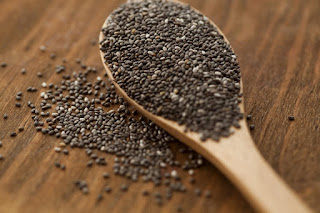
5. Chia seeds


high content of omega-3 fatty acids
excellent source of fiber (10g only in 2PL!)
are rich in antioxidants
adjust insulin levels
do not contain gluten!

6. Salmon (Alaskan, caught in the wild)


rich in omega-3 fatty acids
is a source of high quality protein
contains selenium (helps with thyroid function)

7. Organic eggs


are a pure source of protein
contain omega-3 fatty acids (in yolk)
are full of vitamins (like vitamin B, E, D,…)
contain biotin (great for hair, skin and nails!)
also contain potassium, choline, folic acid,…

8. Cauliflower


is full of antioxidants
contains almost 4g of fiber in only 1 cup
has a high content of vitamin K (helps reduce inflammation)
Many studies link cauliflower consumption to cancer prevention

9. Spinach


contains a huge amount of vitamin A (helps the body's immunity)
super food full of antioxidants
contains flavonoids (anti-cancer properties)
has a high iron content

10. Water


(Well, we know this is not food, but water is so important!). Drinking water has countless benefits.

nedeľa 1. mája 2022

BODY DETOXIFICATION AND CLEANING: WHAT IS IT OWN AND HOW TO NATURALLY SUPPORT IT? | Steroids4U.eu - Steroids4U.net - Steroids4U.to

 BODY DETOXIFICATION AND CLEANING: WHAT IS IT OWN AND HOW TO NATURALLY SUPPORT IT?


Each of us has probably gone through a period when he wanted to step in the right direction for a better self. We typically start a lifestyle change at the beginning of the year, in the spring or before the summer, when the swimsuit season is approaching. At the same time, various offers for juice or herbal detoxification treatments are appearing, which seem to give the impression of a unique recipe for weight loss, good health and perhaps immortality. Such an offer is then difficult to resist. Ultimately, however, after cleansing the body, an empty wallet and a real hunger await us.

Fortunately, none of us need these diets, procedures and detoxification treatments. Our body is able to take care of the elimination of harmful substances on its own, with the help of organs that ensure the body's natural detoxification. The great news is that with a few simple lifestyle adjustments, we can effectively support the body's natural self-cleansing ability. If we manage to apply them in everyday life, we will do much more for our health than fasting or detoxifying cocktails from vegetables and herbs collected during the full moon.

What exactly is detoxification?

First of all, it is necessary to distinguish what is and is not detox. This is not a special diet, juice cleansing or a weekly challenge, in which we are only allowed to eat fruits and vegetables. It is a way in which our body gets rid of waste or potentially dangerous substances 24 hours a day. Some of them arise directly in the body during metabolic processes, others enter our body from the external environment through food, drink or breath. After our body evaluates them as foreign or toxic, the word gets the body's detoxification system, which will do its utmost to eliminate them from the body.

What organs are involved in the body's natural detoxification?

Several organs are involved in the detoxification process:

liver
kidneys
digestive tract
lymphatic system
respiratory system
leather

Functions of individual organs in detoxification of the organism

The detoxification system of our body is complex and the organs involved in these processes then work closely together.

1. Liver

The liver is the most important organ in terms of detoxification. It can recognize toxic substances and decompose them with the help of enzymes so that they become soluble in water and can then be excreted in the urinary tract. The liver can also take care of the binding of these pollutants to the amino acids, with which they subsequently get out of the body in the manner already mentioned. With the help of the liver, our body gets rid of, for example, heavy metals, bacteria, viruses and other pathogens. We simply cannot do without the liver and it is the most important cleanser of the organism.

This organ is also important for the breakdown of alcohol (ethanol).

2. Kidneys

Our kidneys can filter the blood and get rid of by-products that arise, for example, during the metabolism of drugs and other undesirable substances. These are then excreted out of the body via the urinary tract.

3. Digestive (gastrointestinal) tract

A large part of waste products, which are formed as a by-product of metabolism, is removed from the body through the digestive tract. Furthermore, toxins that can enter our body from the environment through fluids or food.

4. Lymphatic system

Lymphatic vessels with lymph pass through the whole body and take care of the removal of waste products of metabolism, bacteria and other harmful substances. These then reach the lymph nodes, where they are filtered into the blood. They are then caught by the relevant organs, such as the kidneys or the liver, and these are easily excreted out of the body.

5. Respiratory system

The respiratory system acts as a filter for hazardous substances that we can inhale. The nasal cavities and lungs have a mucoid layer on the surface that serves as a protective barrier. Its purpose is to prevent the passage of dust and other foreign substances into the lungs and blood circulation. When exhaled, unwanted carbon dioxide is removed from the body.

6. Leather

The skin forms a barrier that protects us from the entry of viruses, bacteria and chemicals into the body. When sweating, harmful substances that are soluble in fats can get out of the body. Water-soluble toxins do not get through the skin.


How to support natural detoxification?

Therefore, we certainly cannot expect miracles from the spring cleansing of the body or various forms of fasting. It is much better to develop healthier habits. Thanks to them, you will support all the mentioned bodies that are involved in the removal of harmful substances. What are the specific steps? Nevertheless, a change in eating or exercise habits and other lifestyle changes verified over the years. The goal is not to have a sample menu or an ornate training plan from day to day. It will be enough if we gradually start working to improve and create new habits. Thanks to this, we will gradually adopt a healthy lifestyle, which will maximally support the body's ability to get rid of harmful substances, ie detoxify.

1. Eat less processed foods

When buying food, its composition must be checked. Although they are supervised by the relevant authorities in terms of health safety, if they contain so many ingredients that reading them would be enough to put the child to sleep, it will probably not be an ideal choice for our body. These are most often highly industrially processed foods. These typically contain high levels of refined carbohydrates, simple sugars, saturated fatty acids (fats), salts, preservatives, dyes, flavorings and other substances that lend them even irresistible taste properties. With all this, our body has to deal with it, which is a greater burden on the natural detoxification system. 

Highly industrial foods include most sweets, semi-finished products, instant meals, cold cuts or fried foods, as well as fast food or white bread. We may please the taste buds with such food, but the liver will not be so happy with them. Therefore, it is important to limit these foods in the diet as much as possible.

How to limit highly processed foods?

The diet should be dominated by staple foods such as cereals, potatoes, fresh meat, unsweetened dairy products, eggs, legumes, nuts and seeds, fresh fruits and vegetables. These foods should make up at least 80% of the diet.

When buying food, it is necessary to look for the content of simple sugars, saturated fats, salt and added substances in the composition. It is better to find a variant that contains as few as possible.

Replace processed fatty products such as sausages, salami, canned meat and other cold cuts with fresh meat.

Exchange purchased tithes and sweets for fresh fruit, nuts or unsweetened dairy products.
Plan in advance what we will eat and prepare food mostly at home.

We can also prepare the popular fast food menu at home from basic foods. This will give us more control over the final composition of the food. Such a home-made meat or vegetable burger with sweet potato chips will probably taste better than its commercial version.

BIO foods from organic farming are also worth trying. These typically contain less potentially harmful substances (residues of agrochemicals, etc.) compared to foods without this designation.

2. Limit your intake of simple sugars

Sugar in today's world is naturally found in sweets, pastries, salad dressings, dairy products and other highly industrially processed foods. The problem is that in excessive amounts it can have a negative effect on the function of the main detoxifying organs - liver and kidneys.

In the body, it is converted into glucose, which is a source of energy for movement and other functions of the body. Unused glucose then forms storage fat, which is stored in various parts of the body, including the liver. This can eventually lead to steatosis (fattening) of the liver, which negatively affects its function. High sugar intake is also associated with a negative effect on kidney function, which helps with the elimination of waste products from the body.

How to limit sugar intake?

Replace sweets with more suitable alternatives that have a lower sugar content, such as fresh or lyophilized fruits, protein bars, hot chocolate or nuts.

When baking, at least partially replace conventional sugar with erythritol or other low-calorie sweeteners.
Sweetened drinks are ideally replaced with clean water, which we can taste with fresh mint, lemon juice, a soluble drink without sugar, or with the help of flavored BCAAs.

3. Drink plenty of fluids

Water makes up about 60% of our body, making it a natural component of blood and lymph. It is involved in the transport of waste products and other harmful substances, which helps to eliminate them out of the body. If we do not drink enough, we are at risk of dehydration, which can manifest itself, among other things, in impaired renal filtration or digestive problems (constipation). Ultimately, this can cause the accumulation of harmful substances in the body. Therefore, it is important to think about adequate fluid intake during each day.

How to get a sufficient drinking regimen?

Drink at least 30-45 ml of water / kg body weight daily. The optimal amount is affected not only by body weight, but also by physical activity, ambient temperature or sweating.

Clean water is the best drink. However, we can diversify our drinking regime with teas, RTD drinks or flavored BCAAs.

It is nice to always have a bottle or a cup with a drink in your eyes, it will make us drink more.

We can also try to guard the color of the urine. Its light shade is considered a signal of sufficient hydration. 

Dark yellow already indicates a signal of dehydration.

4. Eat plenty of fiber

Adequate fiber intake is important for healthy digestion in many ways. The digestive system has an irreplaceable role in the excretion of waste products from the body, which is done through peristaltic bowel movements. And these are supported by insoluble fiber, which additionally binds by-products of metabolism and other undesirable substances from food when passing through the digestive tract. As a result, it is often compared to a brush that cleanses the intestines. Soluble fiber, in turn, slows down the passage of digestion through the intestine, and thus contributes to a more thorough absorption of undesirable substances. The recommended daily intake of fiber from food is in the range of 25-30 g.

How to increase fiber intake?

Add foods that are naturally high in fiber to your diet. These include whole grains and cereal products (pastries, pasta), pulses, fresh and dried fruits, vegetables, nuts and seeds.

We can also increase the intake of soluble fiber by adding psyllium or inulin to yogurts, smoothie drinks or muesli.

A comprehensive Daily Fiber supplement, which contains both soluble and insoluble fiber, can also help to achieve a sufficient intake of this substance.

5. Eat more probiotic and prebiotic foods

We also please the digestive system with a diet rich in probiotic bacteria and prebiotics. And why is it important? These bacteria serve as food for friendly microorganisms living in our digestive tract. If we feed these little friends well, they will repay us with a healthy environment in the intestines (microbiome). This is important for digestion and absorption of nutrients. The microbiome is also involved in creating a barrier restricting the entry of foreign substances into the bloodstream. As a result, it has a protective function and is an integral part of the body's natural detoxification system.

How to increase the intake of prebiotics and probiotics?

Prebiotics are a type of fiber that serves as food for healthy bacteria (intestinal microbiome). You will find them mainly in foods high in soluble fiber, such as legumes (lentils, beans, chickpeas), sweet potatoes, fruits (bananas, apples, berries), vegetables (garlic, onions) and whole grains (oatmeal, quinoa).

Probiotics are live and healthy bacteria, such as the genera Lactobacillus and Bifidobacterium, which are found in fermented products, such as yogurt, kefir milk, sauerkraut, kimchi, tempeh, kombucha, miso or natto.

You can also support your daily intake of probiotics with quality dietary supplements that contain 10 probiotic strains with 10 billion CFU (colony forming units).

6. Limit alcohol and say goodbye ideally

Do you drink alcoholic beverages only occasionally, or is beer or wine a common part of your drinking regime? In any case, it is a good idea to reduce alcohol or omit it altogether. Apart from a happier mood, it probably won't do us any good. It is a toxic substance that the body must get rid of through demanding processes. This is the responsibility of the liver, which converts ethanol to inactive acetic acid. 

If we go from party to party or end up with an alcoholic drink every day and don't let the liver breathe, it may return to its deteriorating function over time. Not to mention the monkey and poorer sports or mental performance. 

7. Stop smoking

Even the healthiest diet in the world will not save us if we inhale harmful substances from cigarette smoke every day. It contains more than 70 toxins that can cause a lot of damage in the body. Not only do we overload the body's detoxification system in this way, but we can also cause serious lung disease or cancer of this or another organ. The best way to prevent this is to stop smoking forever.

8. Be active

Regular sports and exercise is another great way to support the body's natural detoxification. At the same time, lung function is strengthened and the overall efficiency of this organ is increased. This makes it easier for the body to get rid of carbon dioxide and other harmful substances.

In addition, exercise improves blood flow to the body and increases lymph circulation, which is involved in the filtration of waste products and toxins. Last but not least, according to scientific work, enough exercise is also essential for maintaining a healthy liver and healthy kidneys. However, all this applies if we move sensibly and give our body enough space to regenerate.

How to move more?

It is ideal to look for as much natural movement as possible during the day. Let's try to take more steps by moving to work, city or coffee. It's also a great idea to replace the elevator with stairs.

Find a sport that will entertain us and do it several times a week.

We can try running, hiking, cycling, swimming, weight training, even in the gym or HIIT.

The perfect idea is to find a friend with whom we will motivate each other in sports.

9. Focus on quality sleep

Sufficiently long and quality sleep is key to maintaining overall health. In addition to replenishing energy, it also naturally detoxifies the brain. This effect occurs mainly during deep sleep (non-REM), when waste proteins that have accumulated in the brain during the day are removed. These substances can compromise the function of brain cells and therefore pose a risk of developing neurological diseases, such as Alzheimer's. For this reason, it is important that waste disposal takes place at regular intervals, ideally every night. So we have another motivation to make our sleep a priority and give it at least 7 hours every day.

How better to sleep?

If our daily activities allow it, let's sleep at about the same time.

Create an evening routine that will help us create a relaxing atmosphere.

Avoid caffeine in the afternoon.

Before going to bed, it is ideal to avoid working on a computer or scrolling on social networks, not to drink alcohol and not eat heavy meals.

10. Don't forget the lymphatic system

Unlike that, the lymphatic system does not have a cardiovascular pump to power it. Therefore, lymphatic vessels are dependent on our physical activity. Therefore, we can support their activity and function with movement or, for example, massages.

How to support the proper functioning of the lymphatic system?

Daily exercise and regular sports contribute to more efficient lymph flow throughout the body. As a result, waste products are better removed from the body.

Other ways to stimulate the lymphatic system include a visit to the sauna or alternating hot and cold water, a massage gun with a massage gun or professional lymphatic drainage.

Lymph is more than 90% water, so we should not forget about sufficient fluid intake. This helps to prevent the accumulation of lymph and the formation of swelling, which most often occurs on the lower limbs.

11. Try supplements to support proper liver function

Dietary supplements are another way to maximally support the detoxification function of the liver. They can't do wonders on their own, but if we work on the above-mentioned lifestyle changes, we can provide extra care for the liver. These are therefore biologically active substances that have scientifically proven positive effects.

What supplements can support the liver?

Marian variegated contains silymarin, which is a biologically active substance popular for its beneficial effects on liver regeneration.

Choline bitartrate is a source of choline, which is a bioactive substance that is able to reduce the accumulation of fat in the liver. As a result, it helps maintain its normal function.

Thus, in addition to the 2 substances mentioned above, the complex supplement to support the liver contains vitamins B1, B6, C as well as herbal extracts, which have antioxidant effects. As a result, it helps protect liver cells from the harmful effects of oxidative stress.

N-acetyl L-cysteine ​​is a key amino acid for the formation of the important antioxidant glutathione. It helps neutralize harmful free radicals and is also involved in the body's natural detoxification. For example, it can capture mercury in the body and help eliminate it from the body.

Chlorella, spirulina, green barley and other green superfoods are also used to support the body's natural detoxification, which contain a number of beneficial substances, especially the powerful antioxidant chlorophyll. Animal studies show that chlorella in particular is effective in removing heavy metals and other harmful compounds from the body.

What do you get out of it?

After reading today's article, we already know that we do not have to fast for several days or a cleansing diet to support detoxification. It is enough to make a few simple lifestyle changes. As part of the diet, it is appropriate to limit highly industrially processed foods and other foods with a high sugar content. It is also good to eat enough fiber and foods with probiotics and prebiotics.

Good sleep or regular physical activity is key to the body's natural detoxification, and other ways to support the function of the lymphatic system are also crucial. Reducing alcohol and other toxic substances is also an important step. We can therefore generally support our efforts with appropriate dietary supplements to support the liver.