utorok 23. apríla 2024

7 Benefits of Side Lunges for More Impressive Legs | Steroids4U.eu - Steroids4U.net - Steroids4U.to


7 Benefits of Side Lunges for More Impressive Legs

proper-way-to-lunge

Lunges are known for their ability to engage key lower body muscles such as the glutes, hamstrings, and quads. A variant called the side lunges, or lateral lunges, offer an additional benefit by targeting the inner thigh muscles. What does this leave you with?

The ability to build more impressive legs from all angles!

Additionally, with side lunges in your workout routine, you can address leg imbalances effectively. Unlike bilateral exercises like squats, which engage both legs simultaneously, side lunges work each leg independently. This promotes the development of stabilizing muscles, enhances balance, and promotes symmetry between both legs.

In this article, we will dive deeper into some important benefits of side lunges and help you understand why they should be a staple during your leg day training.

Disclaimer: This article is for informational purposes only and is not meant to treat or diagnose any condition. It is recommended that you speak with your doctor before starting any exercise program.

What is a Side Lunge?

A lateral or side lunge is a unilateral exercise performed with a sideways step. Unlike the reverse and forward lunge, which involve movement in the sagittal plane, the side lunge challenges mobility and strength by stepping to the side.

This exercise promotes mobility as the nonworking leg remains straight, stretching and mobilizing the adductor muscles. Additionally, it builds strength in the working leg by engaging the adductors, glutes, and quads.

Once proficient with body weight, you can enhance the challenge by incorporating various forms of resistance for lateral strength and muscle development.

What are the Benefits of Side Lunges?

Below are some of the main benefits that come with side lunges and incorporating them into your leg day training.

1.   IT IMPROVES BALANCE AND COORDINATION

Side lunges with rotations offer a comprehensive approach to boosting full-body stability and coordination.

Engaging multiple muscle groups, including the core, quads, glutes, and hamstrings, these exercises contribute to improved balance and coordination by promoting efficient muscle interaction. With consistent practice, individuals can refine their ability to sustain balance and synchronize movements across various body segments.

Moreover, increased awareness of engaged muscle groups leads to better muscular control. Better balance and coordination not only optimize performance in exercise but also promote safety during daily activities, particularly beneficial for older individuals or those with physical constraints.

2.   HELP IMPROVE WEIGHT LOSS

Losing weight is one of the most obvious ones among all the other side lunge benefits. If you perform side lunges regularly as part of your leg training, you can definitely notice that your metabolism has been elevated and that you’re starting to lose weight.

That said, it should be noted that it’s only applicable if you combine this exercise with not only a solid nutrition plan but also a training program that supports lean muscle growth and metabolic health.

Lunges target major muscle groups in your lower body, promoting the development of lean muscle while reducing body fat. This boosts your resting metabolism, leading to increased calorie burning and weight loss. If your goal is weight loss through exercise, adding weighted side lunges to your routine can produce noticeable results in a short time frame.

3.   BETTER FLEXIBILITY

Side lunges are excellent for enhancing flexibility in your hips and thighs. They enhance hip mobility, which is particularly beneficial if you struggle with tight hamstrings or quadriceps. This exercise expands hip range of motion, leading to smoother movement.

But that’s not all!

Side lunges also boost flexibility in the quadriceps and hamstrings while strengthening these muscle groups. Regular practice can relieve knee discomfort by improving muscle balance around the joint area.

4.   GROIN SUPPORT

Improving adductor strength and mobility through side lunges can effectively reduce the risk of groin strains.

A 2015 review in the British Journal of Sports Medicine highlighted that insufficient adductor strength was a prevalent risk factor for such injuries.

5.   HELPS YOU TO STAY SAFE DURING OTHER EXERCISES

Side lunges and rotations offer an effective method to enhance balance, coordination, and stability. These exercises not only improve performance in movements like squats and deadlifts but also promote safer workout sessions.

By honing better body control, individuals can uphold proper posture and form, thereby preventing the overuse of specific muscle groups and reducing the risk of injuries.

Additionally, mastering these movements promotes superior muscular control, ensuring a safe range of motion during exercises like squats and deadlifts.

6.   IMPROVES COORDINATION AND BALANCE

Side lunges are a unilateral exercise that targets each side of the body independently. By engaging in single-leg movements, you activate stabilizing muscles, enhancing coordination, stability, and balance.

These exercises challenge your body’s stability, prompting your core and spine to work harder to maintain equilibrium. As a result, practicing side lunges can effectively improve overall balance and stability.

7.   IMPROVES POSTURE

Side lunges and rotations play a significant role in improving posture.

During a side lunge, the engagement of lower body and core muscles is important for maintaining balance and proper posture throughout the movement. Strengthening these muscles contributes to overall posture improvement, relieving discomfort caused by prolonged periods of poor posture.

Similarly, rotations help in posture improvement by engaging muscles across the body to stabilize the movement. This comprehensive muscle engagement promotes better balance and posture. Furthermore, torso rotations promote spinal mobility, preventing stiffness.

Steroids4U.eu – Steroids4U.net – Steroids4U.to | Best EU Online Steroid Shop – Buy Steroids


utorok 16. apríla 2024

8 Exercises to Help You Get Better at Pull-ups | Steroids4U.eu - Steroids4U.net - Steroids4U.to


8 Exercises to Help You Get Better at Pull-ups

Exercises-to-Help-You-Get-Better-at-Pullups


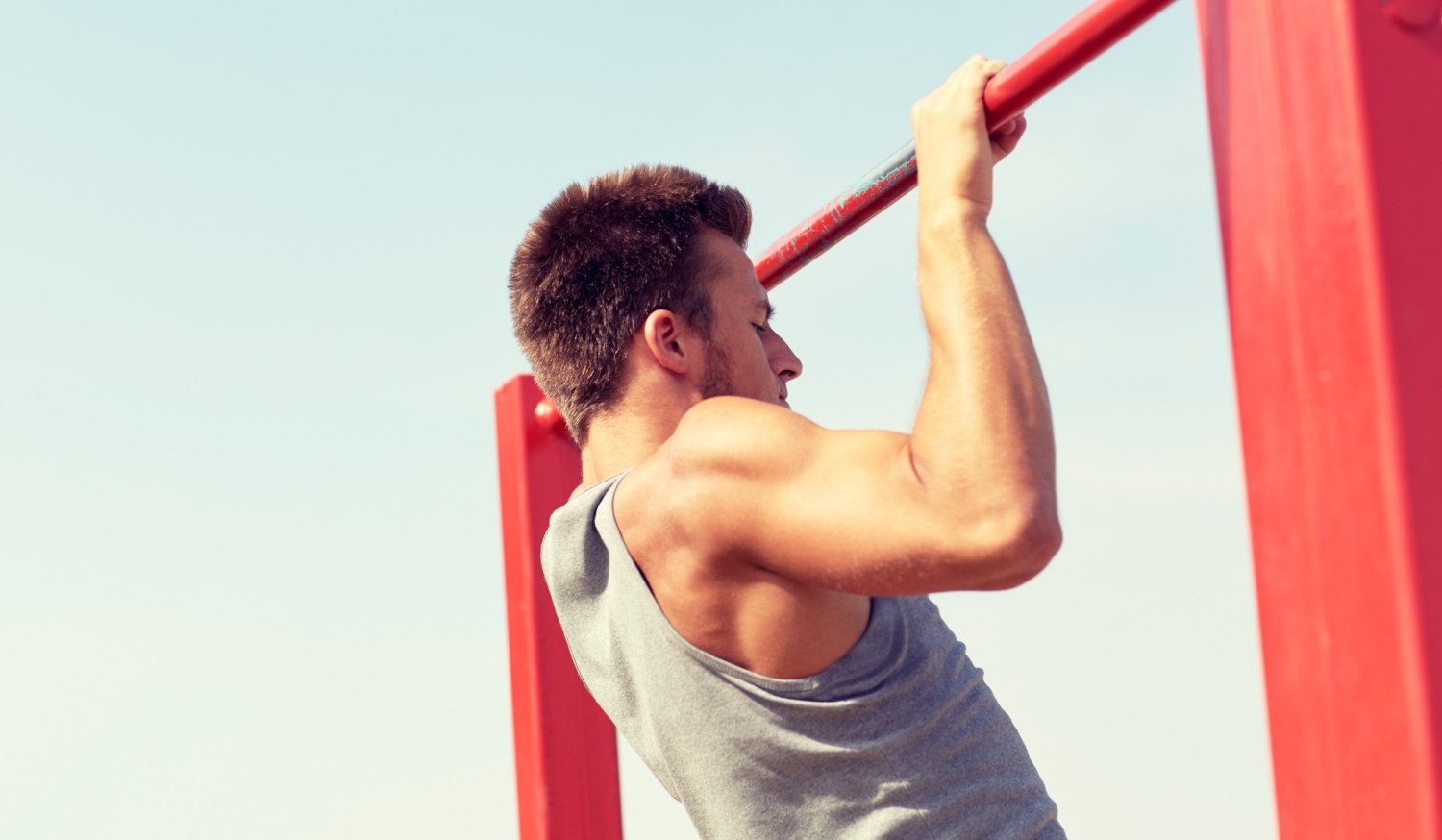
Nobody can deny it: pullups are tough — even for the most dedicated gym rats. It requires exceptional strength to lift your own body weight up to a bar from a standstill.

The pullup is the ultimate display of strength. Some may consider getting one pullup lucky, but when you can rep them out, it showcases some intense levels of strength.

Achieving a perfect pullup demands both motivation and perseverance, alongside smart training. Pullups primarily engage your lats and biceps while also calling upon your deltoids, rhomboids, and core muscles to also step up to the plate. Strengthening these muscle groups is essential to helping you be able to pull yourself up and accomplish pullups.

While there are many ways to show off your strength and power, nothing quite compares to the pullup. It requires robust back, shoulder, and arm muscles, along with a solid core. But if you are ready to master this impressive feat, you might feel a bit daunted by the task ahead.

In this article, we will discuss some exercises that will help you do the perfect pullup sooner than you imagined. No longer should you stand there looking at the bar in total defeat. Let’s dive into it!

Disclaimer: It is recommended that you speak to your doctor before starting any exercise program to ensure you are healthy enough to do so.

Why Do Pullups?

Before we dive into the exercises, it is important for us to know the importance of pullups and why they are unavoidable in your exercise regime.

Pullups offer a great opportunity to challenge your arm, shoulder, and back muscles. Not only can they enhance overall body strength and fitness, but they also contribute to physical and mental well-being.

As an upper body strength training exercise, pullups provide a comprehensive workout for various muscle groups.

8 Exercises That Will Help You Get Better at Pullups

You will see quicker progress by incorporating a blend of these exercises tailored to enhance pullup performance. These specific exercises offer the most direct benefits, helping to strengthen the muscles essential for mastering pullups.

1.     HOLLOW POSITION

The hollow position might seem straightforward, but it’s foundational for replicating the proper posture on the pullup bar. Your body alignment matters: avoid letting your feet trail behind, or your limbs go slack. The key is maintaining tension and activation throughout your entire body, from toes to fingertips.

2.     DEAD HANG

Strong hands and forearms are crucial for mastering pullups. Dead hangs are ideal for strengthening your grip while also providing a stretch for tight upper-back muscles and enhancing shoulder mobility. These combined benefits make dead hangs a valuable addition to your workout routine, aiding in your journey toward achieving pullup proficiency.

Start with shorter hangs and gradually increase duration, aiming for at least 30 seconds per session. For faster progress, incorporate dead hangs into your daily routine whenever possible.

3.     SCAPULAR PULLUP

Initiating the upward pull from a dead hang is often the most challenging part of a pullup. Many individuals find it difficult to move past this initial position, leading to incomplete reps. Scapular pullups target the upper back muscles, helping overcome the dead hang and achieve full range of motion pullups.

Once you feel confident with dead hangs, incorporate scapular pullups into your routine to strengthen the muscles necessary for successful pullup execution.

4.     ECCENTRIC OVERLOAD PULLDOWNS

Increasing muscle strength is key to improving pullup performance. Eccentric overload pulldowns offer an effective method by pulling a heavier load with both arms and then controlling the eccentric (stretching) phase with one side, resembling the negative portion of a pullup. As you gain better control over heavier loads, you will see improvements in your pullup technique.

To maximize the benefits of eccentric overload pulldowns, focus on low repetition sets of four sets of six to eight reps. During each rep, aim to extend the negative portion for about four seconds, emphasizing control and muscle engagement throughout the movement.

5.     STABILITY BALL ROLL-OUT

To enhance your strength, incorporate stability ball roll-outs into your routine. Using a stability ball, which is an air-filled, soft elastic ball available in different sizes, ranging from 55 to 65 centimeters in diameter, perform this exercise.

6.     INVERTED ROW

Inverted rows are like an upside-down push-up and are a body weight pulling exercise. While the motion plane differs from a pullup (horizontal instead of vertical), they still help in building relative strength crucial for pullup performance.

This exercise strengthens the upper back and core while teaching engagement to maintain a moving plank during the pull. These skills are essential for executing pullups effectively. Since inverted rows are less challenging than pullups, they serve as an ideal starting point for your pullup training.

7.     TRX ROW

The TRX row is the one that is closest to a pullup, engaging similar muscle groups as you pull your body weight. Adjusting your torso to be closer to parallel with the ground increases the challenge level of this exercise.

8.     FLEXED-ARM HANG

The flexed-arm hang is a challenging hanging exercise designed to develop the necessary strength for the final portion of a pullup. Mostly done in the chinup position, with palms facing toward you, it targets key muscles used in completing the pullup motion.

Steroids4U.eu – Steroids4U.net – Steroids4U.to | Best EU Online Steroid Shop – Buy Steroids

utorok 9. apríla 2024

Types of Lifting Belts: Pros and Cons, Benefits, & More | Steroids4U.eu - Steroids4U.net - Steroids4U.to


Types of Lifting Belts: Pros and Cons, Benefits, & More

Types-of-Lifting-Belts


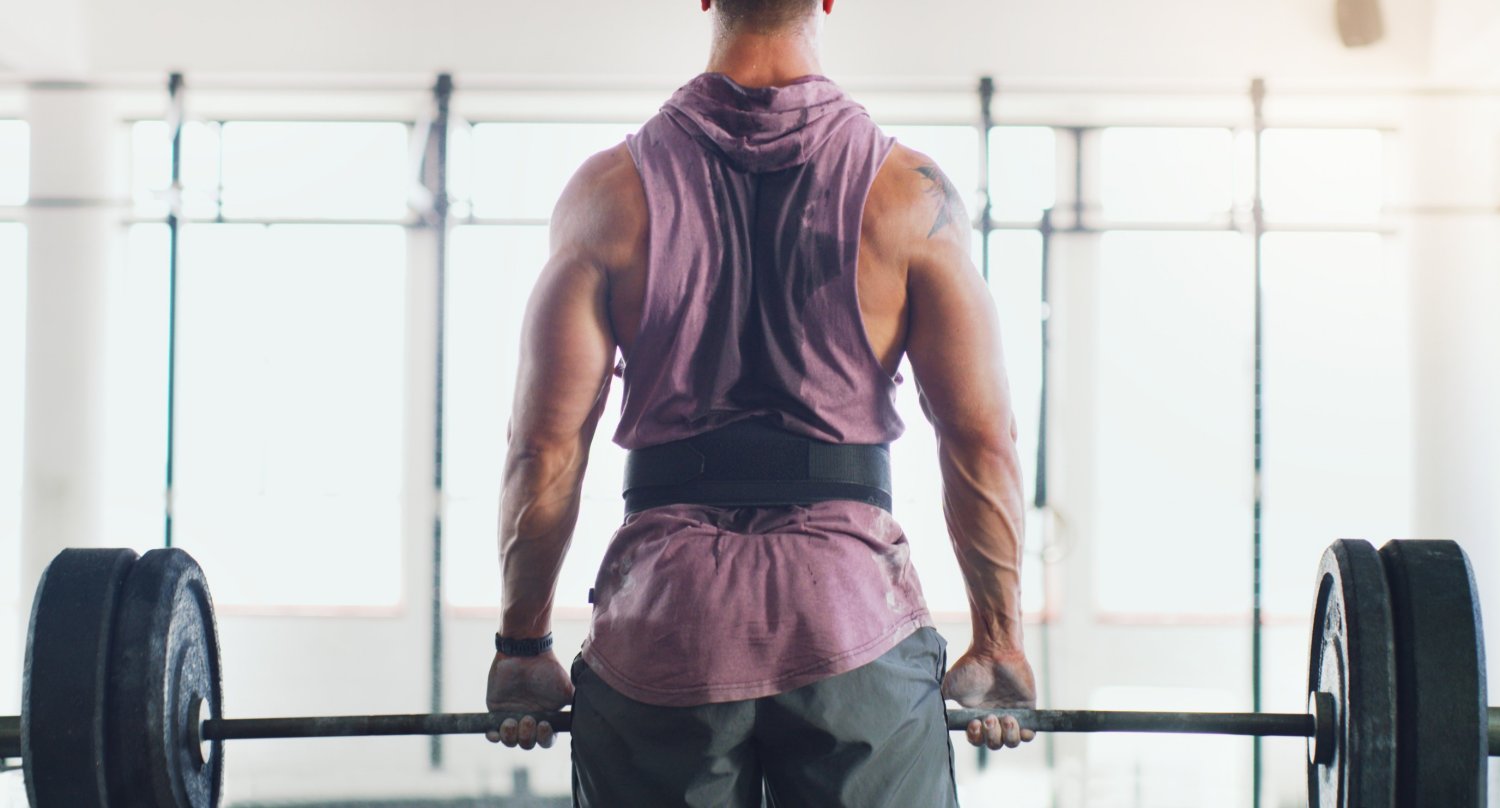
Lifting belts (also known as weight belts) are a common sight in gyms. They are typically crafted from thick leather, measure four to six inches in width, and are secured with a metal buckle around the waist.

Distinguishing them from corset-style back braces is crucial, as they serve different purposes. With various styles, thicknesses, and materials available, selecting the right lifting belt depends on your specific training goals and activities. Choosing the wrong type can lead to discomfort or hinder performance.

While some people wear them just to look cool, they actually serve a purpose for those who train hard and with heavy weights.

In this article, we will dive deeper into different types of lifting belts, outlining their pros, cons, and ideal users to help you make an informed choice if this is something you’re looking to invest in.

Disclaimer: This article is for informational purposes only and is not meant to treat or diagnose any condition. It is recommended that you speak with your doctor before engaging in any exercise program.

What Does a Lifting Belt Do?

Lifting belts are crucial in enhancing core stability during heavy lifts by increasing intra-abdominal pressure, creating a rigid brace for muscles to work against. This stabilizes the core, maintaining a neutral spine and reducing the risk of lower back hyperextension or rounding — a common cause of lifting injuries.

While a weightlifting belt helps maintain a stronger and more secure torso, it’s not a substitute for proper technique or a guarantee against injuries. It should complement the correct form, not replace it. Learning to brace the core correctly is important for safe and effective strength training.

Different Types of Lifting Belts

People generally choose lifting belts tailored to their specific gym activities. Below are some of the most common lifting belts on the market.

1.      RECREATIONAL LIFTING BELTS

These belts are well-suited for general fitness enthusiasts and lifters seeking fundamental support. Offering ease of use, they typically feature a single-prong buckle or Velcro for quick fastening. Providing a snug and comfortable fit, they are versatile enough for various exercises.

However, they may lack the rigidity and specificity required for certain sports and advanced movements. While easy to use and suitable for a broad range of exercises, they might not offer sufficient support for highly advanced lifters or specific movements.

Choosing a belt based on individual needs is crucial, especially for competitive lifters or those requiring support for specific exercises.

2.      SINGLE-PRONG AND DOUBLE-PRONG BELT

The single-prong belt, commonly made from leather or durable synthetic materials, is a popular and affordable choice. Its slim and contoured design appeals to lifters who prefer a less bulky option.

With only one prong, it offers quick and easy removal. Though high-quality single-prong belts are secure when worn correctly, some lifters may opt for a double-prong for added reassurance. The use of fewer materials contributes to its affordability, making it a practical option.

Double-prong belts closely resemble single-prong ones, with the key distinction being the presence of two prongs instead of one. While slightly more challenging to fasten and unfasten, the most important point (though not universally proven) is that the two prongs distribute stress more evenly, potentially reducing the likelihood of belt failure. This belief has contributed to their popularity among lifters who prioritize added security during heavy lifts.

3.      CROSSFIT BELTS

The design of this lifting belt varies based on the lifter’s preferences, typically prioritizing flexibility, comfort, and rigidity. The belt is ideal for CrossFit enthusiasts, allowing for quick on-and-off transitions between belted and non-belted movements. It is made from flexible nylon and features a fastening mechanism, often using Velcro or a ratchet system, enabling lifters to customize the fit swiftly for different movements.

The flexibility of the material accommodates a wide range of motions, but it may not provide extreme rigidity for maximal lifts like deadlifts and squats. Some caution arises with the use of Velcro, which may come undone, focusing on the importance of a dual Velcro and ratchet-style belt for security.

4.      OLYMPIC WEIGHTLIFTING BELTS

Olympic weightlifting belts, available in leather or nylon, cater to different lifter preferences. While leather offers rigidity, some opt for nylon’s flexibility, especially in deep cleans and snatches.

Featuring a slight taper for unrestricted squatting, these belts align with competition standards like those by USA Weightlifting (USAW) and the International Weightlifting Federation (IWF). Fastening with a smaller prong-style buckle or a ratchet and Velcro system, they prioritize adjustability and stay inconspicuous during dynamic movements.

Striking a balance between flexibility and rigidity, these lifting belts suit lifters desiring support without disrupting movement. However, proper breathing is crucial with nylon’s less rigid structure, and untapered leather belts may cause discomfort during some lifts.

5.      PULL-UP, DIP, AND BELT SQUAT BELTS

While not exactly something you’d wear to provide support during lifts, this type of belt is great for building strength and size. It is ideal for weighted pull-ups and dips, as these specialized belts feature a padded, tapered design for comfort and a secure fit. They are equipped with a robust steel chain and allow substantial weight additions, promoting progression in bodyweight exercises.

Ideal for specific movements, these belts lack back or torso support. Their form-fitting design ensures comfort while accommodating added weight, making them a valuable tool for targeted strength enhancement in pull-ups, dips, and belt squats.

Steroids4U.eu – Steroids4U.net – Steroids4U.to | Best EU Online Steroid Shop – Buy Steroids

utorok 2. apríla 2024

ECTOMORPH BODY TYPE: HOW YOU CAN BUILD MORE MUSCLE | Steroids4U.eu - Steroids4U.to - Steroids4U.net

Ectomorph Body Type: How You Can Build More Muscle

Body Types

The ectomorph body type, often dubbed “hard gainer,” presents a unique paradox — effortless leanness coupled with a formidable struggle to build muscle. Perhaps you’ve come across those seemingly blessed individuals with an insatiable appetite for fast food and sugary drinks yet maintain an admirable slim physique (maybe this person is you?). If you resonate with this, you’re not alone.

While staying lean is a natural gift for ectomorphs, transitioning from skinny and slender to muscular and jacked requires a strategic approach. The good news? Consistent training and a calorie-dense diet can unlock substantial muscle growth.

In this article, we’ll guide classic hard gainers through a practical ectomorph diet and workout strategies, paving the way for a transformative journey from lean to muscular.

Disclaimer: This article is for informational purposes only and is not meant to treat or diagnose any condition. It is recommended that you speak with your doctor or dietician if you plan on making any changes to your exercise or nutrition plan.

What is an Ectomorph Body Type?

Body type, or somatype, defines the inherent physique of an individual, encompassing factors like structure and muscle-to-fat ratio.

Ectomorphs, one of the three body types, are characterized by a tall, lanky frame and a propensity for difficulty gaining weight due to a naturally high metabolism. Coined by William Herbert Sheldon, somatypes were initially linked to psychological traits, associating ectomorphs with a slim, quiet demeanor.

Though this psychological correlation has been discredited, understanding the physical traits of an ectomorph remains crucial for tailoring effective workout programs and dietary plans.

As ectomorphs age, the challenge shifts from maintaining muscle mass to combating an increase in body fat due to a slowing metabolism.

4 Reasons Ectomorphs Struggle to Build Muscle

Ectomorphs, characterized by their lean and lanky physique, often encounter distinct muscle-building challenges.

Here are four key reasons behind the struggles faced by individuals with an ectomorph body type:

  • Caloric surplus: Building muscle requires a surplus of calories. Clean eating or low-carb diets may fall short of providing the necessary fuel.
  • Lack of protein: Taking the right protein intake, around 1.6g/kg per day, is necessary for muscle protein synthesis and reducing breakdown. Concerns about high protein affecting kidneys have been debunked, with studies showing positive body composition results without adverse effects.
  • There are not enough compound movements: Incorporating compound exercises like squats and deadlifts is essential. These major lifts stimulate muscle protein synthesis and trigger significant testosterone increases compared to isolation exercises, contributing to effective muscle-building.
  • Excess cardio: Optimal muscle gain involves strategic cardio, favoring shorter, intense bursts to target powerful posterior chain muscles and prevent stress hormone elevation.

Effective Muscle-Building Strategies for Ectomorphs

For hard gainers and ectomorphs, the challenge lies not in staying lean but in adding lean muscle. Implementing progressive overload principles in resistance training, gradually increasing weights, is essential for optimal muscle growth. Efficient, slow-paced workouts with 4-5 sets per exercise at 8-10 reps can promote muscle development and size.

Consistent training coupled with a balanced diet provides the most positive impact on body composition. Having pre- and post-workout carbohydrates, like clean carbs, provides essential complex carbs and quality calories for muscle building and enhanced performance.

Protein intake is necessary for initiating the muscle-building process. Ectomorphs often benefit from whey protein isolate supplements, ensuring sufficient protein intake throughout the day. Regular consumption of protein shakes, ideally 2-3 times daily, helps in promoting lean muscle growth. Additionally, supplements like creatine and post-workout protein contribute to building quality, strength, and gains.

Ideal Diet for Ectomorphs

With their inherent fast metabolism, ectomorphs experience the dual nature — effortless leanness and the challenge of building muscle. While their ability to stay lean may seem like a gift, aging brings a metabolic slowdown, often linked to lower muscle mass, leading to an unwelcome accumulation of body fat.

Crafting an ideal diet for ectomorphs is crucial, leaning towards higher carbohydrates and calories. You should strike a balance: approximately 50 to 60 percent of calories should be derived from carbs, with protein and fat contributing 25 percent each. This dietary approach helps provide the energy needed for muscle gain, addressing the challenge of weight maintenance as metabolism changes over time.

For optimal food intake, ectomorphs are advised to eat every two to four hours, ensuring a steady supply of nutrients. Adding at least 500 calories to the daily intake is recommended for those aiming to gain weight or muscle. Opting for warm foods over cold aids digestion, and incorporating nutrient-dense choices is vital.

FOODS TO INCORPORATE:

  • Starchy carbohydrates like oats, brown rice, quinoa, sweet potatoes, and regular potatoes form the foundation of a nourishing diet.
  • Fruits such as bananas, mangoes, pineapple, papaya, avocado, and peaches offer a sweet and nutrient-packed variety.
  • Vegetables like broccoli, cauliflower, brussel sprouts, beets, and carrots, especially when cooked in coconut oil or butter, provide essential vitamins and minerals.
  • Including nutrient-dense snacks like nuts, seeds, and nut butter further supports a calorie surplus.

utorok 26. marca 2024

What are the Benefits of Naturopathy for Weight Loss? | Steroids4U.eu - Steroids4U.net - Steroids4U.to

What are the Benefits of Naturopathy for Weight Loss?


Naturopathy-for-Weight-Loss

In a world where there’s a rising statistic of weight gain and obesity, naturopathy emerges as a possible holistic and natural solution to tackle these challenges.

Grounded in traditional principles, this practice places a strong emphasis on achieving a balance between the mind, body, and spirit, guided by the principles of holistic healing. Naturopathy aims to reinstate balance and facilitate sustained weight loss by addressing the root causes of weight gain and obesity.

In this article, we will dive deeper and learn more about naturopathic weight loss and its benefits.

Disclaimer: This article is for informational purposes only and is not meant to treat or diagnose any condition. It is recommended that you speak with your doctor before making any changes to your health and weight loss program.

What is Naturopathy?

At the core of naturopathy lies a comprehensive healthcare system that highlights the body’s inherent capacity for self-healing. This integrative approach seamlessly blends traditional healing methods with contemporary scientific knowledge to address the underlying causes of health issues.

Naturopathic doctors (NDs) collaborate closely with patients, crafting individualized treatment plans incorporating natural therapies such as herbal medicine, acupuncture, nutrition, and lifestyle counseling.

Operating from a holistic standpoint, naturopathy considers each individual’s physical, mental, and emotional dimensions. By addressing the entire person rather than merely reducing symptoms, the goal is to reinstate equilibrium and promote optimal health.

Why Naturopathy for Weight Loss?

In contrast to other weight loss methods, natural approaches typically carry no adverse side effects. Naturopathy operates on the premise of healing and sustaining the body through natural means. Choosing this therapeutic journey initiates a tangible, conscious transformation within oneself.

The essence of this therapy lies in the practice of breathing and relaxation exercises, effectively countering cravings. Over time, naturopathy plays an essential role in removing detrimental eating habits, often stemming from stress and anxiety.

Does Naturopathy Help with Weight Loss?

If you’re part of the 45 million Americans planning to go on a diet, here’s a crucial insight: conventional methods yield short-term success, with only a 5% chance of maintaining weight loss for five years. The blame game ensues when the weight inevitably returns.

Recognizing the flaws in the holy trinity of diet, exercise, and medication, naturopaths offer an alternative. Unlike the 97% of dieters regaining lost weight within three years, naturopathy provides a holistic approach.

Naturopaths collaborate on personalized plans incorporating “real-life” advice, focusing on sustainable, steady weight loss. By offering practical nutritional guidance and promoting healthy eating principles, naturopathy aims not only for slimmer figures but also cultivates positive relationships with food and enduring well-being.

In a society where conventional diets often falter, naturopathy emerges as a more effective and lasting solution for weight management.

Understanding Naturopathic Weight Loss Program

Naturopathic medicine is a natural and holistic healthcare approach that focuses on the body’s innate healing ability. It provides therapies like acupuncture, herbal medicine, and lifestyle changes. For weight loss, it supports the body’s metabolism, promotes detoxification, and enhances energy.

Naturopathy prioritizes preventing chronic diseases linked to obesity, like cardiovascular issues and diabetes.

Below are the main aspects of naturopathic weight loss:

1.      DIET AND NUTRITION

Cultivating a positive food habit contributes to shaping your personality. Ancient sages favored sattvic food for its transformative wonders. Your choices define who you are, so choose wisely for a better you. In weight loss programs, a prevalent diet is high in protein and low in carbs. Lifestyle counseling leads to effective changes in eating habits.

2.      EXERCISE

In naturopathic medicine for weight loss, physical exercise is essential. Regular exercise helps burn calories, enhances metabolism, and reduces stress levels. Tailored to individual fitness levels and preferences, various types of exercise are beneficial. Naturopathic doctors also suggest integrating activities like yoga or meditation into routines to regulate hormones and promote overall well-being.

3.      STRESS MANAGEMENT

Stress, often termed “the silent killer,” profoundly impacts overall health. Mental strain correlates with physical issues, contributing to weight gain. Overeating and poor food choices are common under stress. Modern life brings numerous stressors from work, family, and responsibilities. Constant mental chatter elevates stress hormones, hindering weight loss. You can release stress through exercise, sufficient sleep, deep connections, journaling, and meditation. Experiment with these to observe improvements in mood, sleep, weight, and overall well-being.

4.      DETOXIFICATION

Detoxification is the body’s natural way of eliminating toxins, crucial for preventing weight gain. Naturopathic approaches support this process. Drinking enough water, maintaining a nutrient-rich diet, and activities like saunas aid toxin elimination. Naturopathic doctors may suggest supplements like milk thistle, dandelion root, or glutathione to enhance the liver’s detoxification process.

5.      ACUPUNCTURE

Traditional Chinese medicine attributes excessive weight gain to an imbalance in the liver and spleen organ systems, impacting metabolism. Growing scientific evidence suggests that acupuncture can be a supportive element in your weight loss journey.

Steroids4U.eu – Steroids4U.net – Steroids4U.to | Best EU Online Steroid Shop – Buy Steroids


utorok 19. marca 2024

Do Hormone Therapy Treatments Truly Help Men? | Steroids4U.eu - Steroids4U.net - Steroids4U.to

Do Hormone Therapy Treatments Truly Help Men?


Hormone-Therapy-Treatments

Hormone Replacement Therapy (HRT) is pushing boundaries and redefining its usage. Today, more and more men seem to be doing hormone therapy treatments for various benefits. Clinics are prescribing it to men as well as family doctors who also specialize in the area. For men who have lower levels of testosterone, HRT becomes an important recourse for men typically over the age of 30.

In this article, we will dive deeper into hormone therapy for men and help determine if it’s something men should consider or if they should hold off for the time being.

Disclaimer: This article is for informational purposes only and is not meant to treat or diagnose any condition. It is recommended that you speak with your doctor before making any changes to your supplement or testosterone regimen.

What Happens to Your Testosterone Level as You Age?

Testosterone, a key male hormone, typically peaks during adolescence and gradually declines with age, about 1% per year after 30 or 40. For older men, distinguishing between normal age-related decline and a medical condition (hypogonadism) causing low testosterone is crucial.

Hypogonadism, affecting testicular or pituitary gland function, can be addressed with testosterone replacement therapy. Various forms like injections, pellets, patches, or gels are available, effectively alleviating symptoms of low testosterone in affected individuals.

Types of Hormone Therapy for Men

Hormone replacement therapy has two forms: direct and alternate.

Direct testosterone therapy refers to augmenting your body with the same form of testosterone that is naturally found and is often considered the primary option to eradicate fertility concerns.

Alternative therapies are used to stimulate the body to produce more testosterone.

Forms of Direct Testosterone Therapy

  • Topical gels for application on the skin
  • Skin patches are worn every night and changed every 24 hours
  • Nasal gels that are applied to the nostrils 3 times a day
  • Oral capsules are to be consumed twice daily with food
  • Short and long-acting intramuscular injections

Forms of Alternative Testosterone Therapy

  • Human chorionic gonadotropin (hCG) injections
  • Oral selective estrogen receptor modulators
  • Oral aromatase inhibitors

What are the Benefits of Hormone Treatment for Men?

Below are some of the benefits men can experience:

  1. Enhance Sex Drive

One of the major benefits of HRT is an increased sex drive for males with reduced testosterone levels. By Increasing testosterone levels with HRT, men experience an increased libido.

In a study, results have shown that 66% of males with low testosterone showed an increase in sexual function. However, it must be noted that testosterone alone cannot be the only cause of an increased sex drive. Sometimes, there are ancillary factors like the cause itself of the dwindling testosterone levels.

  1. Erectile Functioning

Erectile dysfunction affects millions of men around the globe. It continues to increase as men cross the threshold of “seniority.” According to a study conducted in Massachusetts on aging men, a decrease in testosterone was followed up by erectile dysfunction in 625 patients.

With testosterone therapy, the problem of erectile dysfunction can be reversed in men. It has been noticed that as a result of this therapy, there is an increased synthesis of nitric oxide (the same thing that helps give you a pump in the gym), which results in improved erectile functioning.

However, some studies have shown that the impact is not immediate and that it can take anywhere from 3-6 months for the results to become evident.

  1. Muscle Growth

As people (in general) age, muscle pain becomes much more frequent, and bone density can worsen, which leaves people more vulnerable to fractures and injuries. Mitigation of testosterone can aggravate these conditions, which can be countered by hormone replacement therapy to a certain extent.

study has shown that hormone therapy treatments can help build skeletal muscle mass, lean body mass, and strength in 44 men with low testosterone.

  1. Improve Blood Sugar

Hypogonadism often results in the deposition of fat in the body, especially visceral fat. A lot of studies implicate low testosterone as the culprit behind obesity and diabetes. Researchers have often remarked that if there are these two diseases as the consequence of low testosterone, there might be others.

However, it has been found that HRT can address the problem of insulin resistance. In a randomized control trial, it was seen that hormone treatment can reduce waist circumference, control cholesterol levels, and improve fasting glucose.

  1. Heighten Cognitive Functioning

In a study, upon administering neuropsychological tests of verbal and visual memory, it was observed that hypogonadal men have significantly lower scores on verbal and visuospatial performance.

These results hint at a possible beneficial relationship between men with higher free testosterone and cognitive functioning.

  1. Support Heart Health

Low testosterone can lead to cardiac complications like stroke and other forms of heart disease.

In a study conducted over 1950 men, it was hypothesized that men with cardiovascular mortality had lower testosterone levels. However, for men who had gone for hormone treatment, the mortality rate reduced from an alarming 21% down to 10%.

The “Other” Side of the Hormone Therapy Story

While hormone therapy does come with its own set of benefits, there is a risk of some side effects that shouldn’t be ignored.

People undergoing hormone therapy have demonstrated an increase in acne, sleep apnea complications, mood swings, and a condition known as gynecomastia, which is an enlargement of the breast tissues in males.

Is hormone therapy something you should consider? Talk to your doctor and see what options you have for your current situation.

Steroids4U.eu – Steroids4U.net – Steroids4U.to | Best EU Online Steroid Shop – Buy Steroids


utorok 12. marca 2024

Stagnant Workouts: The Importance of Variations in Your Workout | Steroids4U.eu - Steroids4U.net - Steroids4U.to


Stagnant Workouts: The Importance of Variations in Your Workout


Stagnant-Workouts-Weight-Training-Bodybuilding

Sticking to a routine in your fitness regimens is common, but variations in your workout hold equal importance. A recent PLOS One study explored exercise variations’ impact on strength, muscle thickness, and motivation in experienced resistance-trained men.

Social media discussions on this topic reveal divided opinions — half emphasize variation’s importance, while others favor progressive overload for muscle growth.

In this article, we will discuss the topic of variations in your workout and its importance in crushing stagnant workouts and a lack of progression with your physique.

Disclaimer: It is recommended that you speak with your doctor before starting any exercise program.

What is Progressive Overload?

Progressive overload is a fundamental principle in fitness that involves gradually increasing the stress placed on the body during exercise to stimulate ongoing improvements. This can be achieved by manipulating factors such as intensity, duration, or frequency of workouts.

While proponents of progressive overload rightfully highlight its role in promoting muscle growth and strength, it is essential to recognize that exercise variation is intricately linked to this principle.

Introducing diverse exercises not only prevents monotony but also ensures that various muscle groups are consistently challenged. This variation contributes to a more holistic application of progressive overload, as different movements engage different muscles, promoting overall fitness development.

Incorporating exercise variation becomes a complementary strategy, enhancing the effectiveness of progressive overload and fostering a well-rounded approach to fitness.

The SAID Principle

This is a principle that is often overlooked when talking about progressive overload and variations. The SAID principle (Specific Adaptation to Imposed Demand) is fundamental in sports science. It highlights the body’s inclination to adapt to stress, enhancing its ability to withstand similar stress in the future.

The SAID principle is applied through various mechanisms, emphasizing the body’s general tendency to improve in response to specific demands. Examples include bone thickening in response to mechanical stress, as in the heel striking the ground or a tennis player’s dominant arm. Some similarly targeted strengthening occurs in tendons, ligaments, and muscles through activities like resistance training.

The SAID principle extends to sophisticated adaptations, such as learning new motor skills inducing structural brain changes. Exposing oneself to specific stress and ensuring both the right amount and specificity of training are crucial considerations to optimize performance.

Importance of Bringing Some Variation to Your Workout

Below are some reasons why you should consider variations in your workout routine.

1.      GET OVER YOUR WEIGHT LOSS PLATEAU

When engaging in a repetitive activity, the body adapts and becomes highly efficient, resulting in a reduced calorie burn even with consistent effort. To counter this, introducing new challenges to the body becomes necessary.

Engaging in activities unfamiliar to the body compels it to work harder, leading to an increased calorie expenditure during workouts. It’s crucial to emphasize that maintaining a sensible diet complements regular exercise, leading to an overall approach to weight loss.

2.      TARGET DIFFERENT MUSCLE GROUPS

The integration of various exercises proves effective in addressing distinct muscle groups and engaging them through different modalities. Take squats, for example, with a primary focus on the glutes, quads, and hamstrings. Conversely, lunges not only emphasize these muscle groups but also involve the calves and gluteus medius, demanding a better level of coordination.

It’s important to do different exercises to work all your muscles and avoid imbalances. This not only makes your workout more complete but also helps improve muscle growth and can make you stronger in everyday activities.

3.      PREVENT INJURIES

When someone repeats the same movements over and over, they might end up getting injured (trust me, I know this firsthand) — it’s known as a repetitive strain injury. This kind of injury often occurs with activities involving lots of repetitive motions, like running, playing certain sports, or using the same swimming stroke.

Trying out different activities becomes important because it allows the muscles, joints, and ligaments that are overused to rest and recover before being used again. Even if someone does get injured, doing a different activity that doesn’t strain the same part of the body can help them stay in shape and heal simultaneously.

4.      BUILD STRENGTH

Research indicates that introducing exercise variations is more conducive to strength gains compared to consistently repeating the same exercise. Recognizing that mechanical tension serves as the primary stimulus for growth and it’s crucial to acknowledge that a stronger muscle can generate more force and endure increased tension, ultimately leading to greater long-term growth.

This connection is substantiated by studies revealing a significant correlation between muscle strength and size.

5.      AVOID BOREDOM

When many days go by and you start to feel the boredom creeping in while hitting the gym, it shows a signal for a change.

Discovering a new workout may involve some experimentation, but it is important to try new workouts, training methods, exercises, etc., until you find one that works for you. Then, change your routine by including many types of activities each week. This approach can improve results and enhance your overall enjoyment in the gym while training.

Steroids4U.eu – Steroids4U.net – Steroids4U.to | Best EU Online Steroid Shop – Buy Steroids