streda 28. augusta 2024

8 Signs and Symptoms of a Protein Deficiency | Steroids4U.eu - Steroids4U.net - Steroids4U.to


8 Signs and Symptoms of a Protein Deficiency

What-Happens-When-You-Experience Muscle Loss

A protein deficiency can derail your progress and results in the gym.

The fact is protein serves as a fundamental building block for the body, supporting various functions beyond muscle growth and satiety. It’s found in every cell, contributing to the health of tissues to bones, and even skin.

While protein deficiency symptoms exist, they are uncommon in individuals residing in developed countries with access to diverse food options. For instance, a protein deficiency in the US is rare but not out of the realm of possibilities.

Although protein deficiency is rare in such contexts, understanding its signs remains important. This knowledge helps us to ensure we maintain an adequate intake of this essential macronutrient. From muscle repair to hormone production, protein plays a crucial role in overall health.

In this article, we will dive deeper and learn more about the signs and symptoms of a protein deficiency so it can be avoided in the early stages.

Disclaimer: This article is for informational purposes only and is not meant to treat or diagnose any condition. It is recommended that you speak with your doctor before starting any exercise program, changing your daily nutrition, or adding any supplements to your regimen.

What is a Protein Deficiency?

A protein deficiency arises when your intake fails to meet your body’s needs, impacting millions worldwide, especially in Central Africa and South Asia.

While rare in developed nations like America, some individuals still consume insufficient protein, leading to gradual changes like muscle wasting.

Symptoms range from subtle changes to severe issues, such as edema and skin lesions.

Monitoring protein intake and addressing a protein deficiency promptly is crucial for overall health and well-being.

8 Symptoms of Protein Deficiency

Below are some of the most notable signs and symptoms of a protein deficiency:

1.     High cholesterol

High cholesterol and triglycerides stem not only from fatty foods but also from inflammation, hormonal imbalances, and diets rich in processed and sugary items.

Substituting protein-rich foods with sugary snacks and refined carbs can hamper fat processing by the liver and cells, leading to increased cholesterol levels.

Research suggests a potential inverse correlation between protein consumption and heart disease risk. Hence, prioritizing protein-rich foods may help maintain heart health and manage cholesterol levels.

2.     Edema or swelling

Kwashiorkor, characterized by bilateral swelling, is primarily linked to low albumin levels in the body. Albumin helps in maintaining fluid within blood vessels.

Insufficient albumin leads to an imbalance in fluid distribution, prompting the body to retain more water and sodium, resulting in swelling.

3.     Fatty liver

Fatty liver, seen in kwashiorkor, involves fat buildup in liver cells. If untreated, it may lead to fatty liver disease, causing liver inflammation and scarring.

While commonly associated with obesity and excessive alcohol intake, it can also occur in cases of protein deficiency. Impaired synthesis of fat-transporting proteins might contribute to this condition.

Understanding these factors highlights the complexity of kwashiorkor’s effects on the body.

4.     Mood swings

Protein is essential for neurotransmitter production in the brain. Amino acids, the building blocks of protein, form many neurotransmitters.

Insufficient protein intake can restrict neurotransmitter synthesis, affecting brain function. Low levels of neurotransmitters like dopamine and serotonin, influenced by protein deficiency, may lead to mood disorders such as depression or aggression.

Hence, it is advised to take enough protein to support brain health at its best as well as neurotransmitter balance.

5.     Muscle loss and weakness

Skeletal muscle is the muscle that is attached to the bones. It is the type of muscle that helps our body move, which is why preventing a protein deficiency is vital.

When you consume high amounts of protein, it helps build and maintain skeletal muscle mass and strength.

The human body breaks down skeletal muscle tissue for energy consumption when there is not enough protein to use. This can lead to muscle atrophy, and even minor muscle loss can affect your strength and movement.

6.     Hair, nail, and skin problem

Hair, skin, and nails rely heavily on proteins such as elastin, collagen, and keratin for their health and integrity. Low protein intake and a protein deficiency can lead to issues like brittle or thinning hair, dry and flaky skin, and deep ridges on fingernails.

While diet isn’t the sole factor, ensuring sufficient protein intake is crucial for maintaining the health of these tissues.

7.     Weakness and fatigue

Low protein intake may not immediately affect your energy levels or strength within a day, but over time, it can lead to muscle breakdown as your body attempts to compensate. This also leads you down the path to a potential protein deficiency.

Weakness and fatigue are among the earliest signs of protein deficiency, particularly concerning for older adults.

Research suggests that insufficient protein intake is associated with frailty in individuals aged 60 or older, characterized by weakness, low energy, and unintentional weight loss.

8.     Poor sleep

Unstable blood sugar levels, coupled with increased cortisol and reduced serotonin production, can contribute to poor sleep and insomnia.

Carbohydrates lead to higher insulin levels compared to fat or protein. Consuming protein-rich foods before bedtime helps in tryptophan and serotonin synthesis while having minimal impact on blood glucose levels.

Moreover, protein slows the absorption of sugar during meals, promoting more stable blood sugar levels throughout the night.

utorok 20. augusta 2024

What REALLY Happens When You Experience Muscle Loss? | Steroids4U.eu - Steroids4U.net - Steroids4U.eu


What REALLY Happens When You Experience Muscle Loss?

What-REALLY-Happens-When-You-Experience-Muscle Loss

Muscle loss is a serious issue that affects millions of people worldwide. It’s not just about looking less toned or feeling weaker. The consequences of muscle loss run deep, impacting your overall health and quality of life.

As a certified strength and conditioning specialist and personal trainer, I’ve seen firsthand how muscle loss can transform a person’s body and life — especially age-related muscle loss (also known as sarcopenia).

In this article, we’ll dive deeper into what really happens when you experience muscle loss.

Disclaimer: This article is for informational purposes only and is not meant to treat or diagnose any condition. It is recommended that you speak with your doctor before starting any exercise program, making changes to your nutrition plan, or adding any new supplements into your current routine.

The Basics of Muscle Loss

Muscle loss, also known as muscle atrophy, occurs when muscle fibers shrink in size and number. This can happen due to various factors:

  • Aging
  • Inactivity
  • Poor nutrition
  • Certain medical conditions
  • Stress

When you lose muscle, you’re not just losing your overall muscle mass and bulk. You’re losing a vital component of your body’s functional system.

Various Negative Things Happen with Muscle Loss

Below, let’s identify what really happens when you experience muscle loss.

1.   Metabolic Rate Takes a Hit

One of the most significant impacts of muscle loss is on your metabolic rate. Muscle tissue is metabolically active. It burns calories even when you’re at rest. That means the more muscle mass you have, the more you’re able to burn calories even while sleeping.

When you lose muscle, your body’s calorie-burning engine slows down. This means you burn fewer calories throughout the day, even if your activity level remains the same.

The result? It becomes easier to gain fat and harder to lose it. This can lead to a frustrating cycle of weight gain and further muscle loss.

2.   Strength and Power Decline

Muscles are your body’s power generators. They allow you to lift, push, pull, and move. As muscle mass decreases, so does your strength and power.

This decline isn’t just about struggling with heavy grocery bags. It can affect your ability to perform daily tasks like climbing stairs or getting up from a chair, which tend to get more challenging as you age.

For athletes and fitness enthusiasts, muscle loss can significantly impact performance. You may notice a decrease in your ability to lift weights or maintain endurance levels during cardio sessions.

3.   Balance and Coordination Suffer

Muscles play a crucial role in maintaining balance and coordination. They work together with your nervous system to keep you stable and agile.

When muscle mass decreases, and you experience muscle loss, your balance and coordination can deteriorate. This increases the risk of falls, especially in older adults.

Poor balance doesn’t just affect the elderly. Even younger individuals may notice clumsiness or difficulty with activities requiring fine motor skills.

4.   Bone Density Decreases

Your muscles and bones have a symbiotic relationship. Muscles pull on bones during movement, which stimulates bone growth and maintenance.

When you lose muscle, this stimulation decreases. As a result, bone density can drop, ultimately increasing the risk of osteoporosis and fractures.

The combination of muscle loss and lower bone density can make you more fragile and susceptible to injury.

5.   Insulin Sensitivity Changes

Your muscles are major players in glucose metabolism. They help regulate your blood sugar levels by absorbing glucose from the bloodstream.

With muscle loss, your body’s ability to manage blood sugar effectively decreases. This can lead to reduced insulin sensitivity and an increased risk of type 2 diabetes.

Even if you don’t develop diabetes, poor blood sugar control can affect your energy levels, mood, and overall health.

6.   Joint Health Deteriorates

Strong muscles provide support and stability to your joints. They absorb shock and distribute forces evenly across joint surfaces.

As muscle mass decreases, joints bear more direct stress. This can accelerate wear and tear, potentially leading to conditions like osteoarthritis.

You may experience more joint pain and stiffness when you experience muscle loss, making movement uncomfortable or even painful.

7.   Body Composition Shifts

Muscle loss often coincides with an increase in body fat percentage. Even if your weight on the scale doesn’t change, your body composition can shift (and not in a good way).

This change in body composition can affect your appearance, but more importantly, it impacts your health. Increased body fat, especially around the abdomen, is associated with a higher risk of cardiovascular disease and other health issues.

8.   Recovery Becomes Slower

Muscles play a vital role in recovery from physical stress and injury. They help distribute nutrients and remove waste products from your body, which is important for those who exercise regularly.

With less muscle mass, your body’s ability to recover from exercise, illness, or injury decreases. You may notice that you feel sore for longer after workouts or take longer to bounce back from minor ailments.

9.   Hormonal Changes Occur

Muscle tissue influences hormone production and sensitivity. Testosterone, growth hormone, and insulin-like growth factor-1 are all affected by muscle mass.

If you suffer from muscle loss, it can lead to hormonal imbalances. These changes can affect everything from your mood and energy levels to your libido and sleep patterns.

The Good News: You Can Fight Back Against Muscle Loss

While the effects of muscle loss are serious, there’s hope. You can combat muscle loss through:

  • Regular strength training
  • Adequate protein intake
  • Proper nutrition
  • Stress management
  • Quality sleep

By prioritizing muscle health, you can maintain your strength, metabolism, and overall well-being as you age.

Steroids4U.eu – Steroids4U.net – Steroids4U.to | Best EU Online Steroid Shop – Buy Steroids

sobota 10. augusta 2024

How to Use the Wim Hof Method for Stress Reduction & Immune Support | Steroids4U.eu - Steroids4U.net - Steroids4U.to

How to Use the Wim Hof Method for Stress Reduction & Immune Support

Wim-Hof- Method-for-Stress- Reduction

It seems so simple, but using techniques like the Wim Hof method can help you decrease stress levels quite quickly.

You have things like Wim Hof breathing, which is one component of the comprehensive Wim Hof method developed by Dutchman Wim Hof. This technique entails a structured regimen of controlled breathing aimed at improving both physical and mental health benefits.

Wim Hof developed his breathing technique as one of three methods to combat daily stress and enhance overall health.

Our autonomic nervous system, which controls various physiological functions, including breathing, is also impacted by Wim Hof’s breathing method.

The structured steps of this technique are designed to help individuals through controlled power breathing, leading to better control over their mental state.

In this article, we will dive deeper and learn more about this method and its benefits.

Disclaimer: This article is for informational purposes only and is not meant to treat or diagnose any condition. It is recommended that you speak with your doctor before starting any exercise program, making changes to your nutrition plan, or adding any new supplements into your current regimen.

What is the Wim Hof Method and How Does It Work?

The Wim Hof method is made up of three fundamental pillars:

  1. Breathing exercises: Practitioners begin with basic deep breathing and short breath-holds, progressing to cycles of hyperventilation followed by extended breath-holds.
  2. Cold exposure: This pillar involves gradually introducing the body to cold stimuli, starting with cold showers and advancing to immersion in ice baths. The method emphasizes using specific breathing techniques to enhance cold tolerance.
  3. Commitment: The Wim Hof method requires patience and dedication to both breathing exercises and cold exposure practices. Commitment is the pillar that holds the other two.

These pillars collectively form the foundation of the Wim Hof method, aimed at helping the mind and body through controlled breathing and exposure to cold stimuli.

What Are the Benefits of the Wim Hof Method?

The Wim Hof method, including its specialized breathing technique, aims to reduce stress, increase energy levels, and enhance immune function.

In a study involving healthy volunteers exposed to E-coli endotoxin, researchers compared two groups: one trained in Wim Hof’s breathing technique and one not.

The results indicated that individuals trained in the method showed:

  • Higher levels of epinephrine in their plasma
  • Faster increases in the anti-inflammatory cytokine IL-10
  • Reduced levels of proinflammatory mediators TNF-α, IL-6, and IL-8
  • Reduced flu-like symptoms following endotoxin exposure

These findings suggest that Wim Hof’s breathing exercises can potentially help in stress management, improve overall health, and provide resilience against microbial and autoimmune challenges.

Below are some of the benefits you can experience with the Wim Hof method:

1.     Improved athletic performance

Research findings on the impact of the Wim Hof method on endurance and athletic performance are varied, despite these benefits being commonly cited.

study in 2021 involving 15 amateur athletes revealed that a single session of Wim Hof method breathing did not enhance repeated sprinting performance. However, participants reported preferring sprinting after Wim Hof breathing compared to the control group, despite no measurable performance improvement.

In contrast, a study in 2020 showed that a single session of Wim Hof breathing improved cycling performance. It achieved this by speeding up the time it takes for oxygen delivery to meet exercise demands (known as VO2 max) and reducing perceived exertion.

It is interesting that all participants of the Wim Hof breathing group completed the exercises, except for five in the control group, who could not because of fatigue.

2.     Increased positive stress

Stress is often seen in a negative light, but there are positive aspects to stress as well.

Brief exposures to positive stress can trigger the nervous system to generate feelings of excitement and satisfaction. These kinds of stressors naturally occur during thrilling new experiences.

The Wim Hof method also induces positive stress. Activities like taking ice baths or cold showers prompt the nervous system to respond with a similar sense of excitement. Through Wim Hof breathing techniques, individuals can learn to manage this response while in the cold.

With regular practice, the ability to stay calm in cold conditions is believed to help reduce the impact of negative stressors in everyday life.

3.     Faster muscle recovery

Wim Hof breathing techniques have been suggested to accelerate muscle recovery post-workout. Exercise induces muscle inflammation, which can lead to delayed onset muscle soreness (DOMS), occurring typically within 24 to 72 hours after exercise.

Cold therapy methods like ice baths are known to reduce muscle inflammation and soreness. When combined with Wim Hof breathing techniques, cold therapy can help in expelling toxins from the bloodstream, including carbon dioxide.

Practitioners of the Wim Hof method often report improved sleep, which further supports muscle recovery processes.

4.     It helps you to control your emotions

Wim Hof’s breathing techniques are designed to teach individuals how to effectively control and regulate their breathing patterns. Over time, practitioners also learn to extend this control to their emotions.

Moreover, the meditative state induced during these breathing exercises helps in gaining more control over mood and reducing anxiety.

By achieving emotional and mood stability, individuals often experience improved overall well-being, better focus, and prolonged concentration during work or daily activities.

Steroids4U.eu – Steroids4U.net – Steroids4U.to | Best EU Online Steroid Shop – Buy Steroids

streda 31. júla 2024

16 Strategies to Help You Stay on Track with Your Weight Loss Goal | Steroids4U.eu - Steroids4U.net - Steroids4U.to


16 Strategies to Help You Stay on Track with Your Weight Loss Goal

16-Strategies-to-Help-You-Stay-on-Track-with-Your-Weight-Loss-Goal

One of the hardest things to do when trying to lose weight is to stay on track. Many people start their weight loss journey only to give up shortly after and never reach their weight loss goal.

As a personal trainer and sports nutritionist, I’ve helped numerous clients achieve their weight loss goals. While those who work with a trainer are more likely to hit their weight loss goals, you can stay on track and see success on your own with the right strategies in place.

In this article, we will dive deeper into how you can stay on track with your weight loss goals.

Disclaimer: This article is for informational purposes only and is not meant to treat or diagnose any condition. It is recommended that you speak with your doctor before starting any exercise program, making changes to your nutrition plan, or adding any

16 Proven Strategies to Help Keep You on Track with Your Weight Loss Goal

Below are 16 proven strategies you should start utilizing in order to stay on track with your weight loss goal.

1.   SET REALISTIC GOALS

Begin by setting achievable targets. Rapid weight loss isn’t sustainable, and this can frustrate many people. Don’t get frustrated. Strive for 1-2 pounds lost per week. This gradual approach is healthier and more likely to result in long-term success with less muscle loss in the process.

Break your overall goal into smaller milestones. Celebrate each achievement along the way. This helps you build confidence and motivation.

2.   CREATE A MEAL PLAN

Planning is crucial for weight loss success. Develop a weekly meal plan that fits your calorie needs and nutritional requirements. Include a variety of fruits, vegetables, lean proteins, and whole grains in your diet.

The best thing you can do is prep meals in advance. Learn to love meal prep as it’s vital to simplifying the process and helping you stay on track with your weight loss goal. This saves time and reduces the temptation to grab unhealthy options when you’re busy or tired.

3.   TRACK YOUR FOOD INTAKE

There’s nothing sexy or fun about it, but use a food diary or app (like MyFitnessPal) to log everything you eat and drink. This increases awareness of your eating habits. It also helps identify areas for improvement.

Be honest in your tracking. Include all snacks and drinks, even if they seem insignificant. Small extras can add up quickly.

4.   STAY HYDRATED

Drink plenty of water throughout the day. Aim for at least 8-10 glasses. Water helps maintain fullness, supports metabolism, and aids in digestion.

Try flavoring water with fruit or herbs if you find plain water boring. Avoid sugary drinks and limit your alcohol intake.

5.   INCORPORATE REGULAR EXERCISE

Find activities you enjoy. This makes exercise feel less like a chore and allows you to have some fun in the process. Try different types of workouts to keep things interesting and help you stay on track with your weight loss goal.

Start with manageable workout sessions. Gradually increase the duration and intensity as your fitness improves. Strive for at least 150 minutes of moderate exercise per week.

6.   GET ENOUGH SLEEP

Adequate sleep is crucial for weight loss. Lack of sleep can disrupt hormones and increase cortisol, ultimately increasing hunger levels. You should try to sleep 7-9 hours each night.

Try to establish a consistent sleep schedule. Create a relaxing bedtime routine to improve sleep quality.

7.   MANAGE STRESS

Chronic stress can drastically affect your weight loss efforts. It often leads to emotional eating and poor food choices. Find healthy ways to cope with stress, as it can also help you stay on track with your weight loss goals.

Some things you can do is try meditation, deep breathing exercises, or yoga. Regular physical activity also helps reduce stress levels.

8.   BUILD A SUPPORT SYSTEM

One of the best things you can do to stay on track with your weight loss goal is to surround yourself with supportive people. Share your goals with friends and family. Their encouragement can boost your motivation.

Consider joining a weight loss support group. Connecting with others on similar journeys can provide valuable insights and accountability. There are tons of groups you can join online, such as on Facebook.

9.   USE VISUAL AIDS

Create a vision board with images representing your goals. Place it where you’ll see it daily (like on your refrigerator). This serves as a constant reminder of what you’re working towards.

Taking progress photos is another awesome strategy. Sometimes, the scale doesn’t reflect all your hard work. Photos can reveal changes in body composition that you might miss day-to-day.

10.  REWARD NON-FOOD ACHIEVEMENTS

Celebrate milestones with non-food rewards. Treat yourself to a massage, new workout clothes, exercise equipment, or a fun activity. This reinforces positive behaviors without derailing your progress and can help you stay on track.

11.  LEARN TO COOK HEALTHY MEALS

Develop your culinary skills. Experiment with healthy recipes. Cooking at home gives you control over ingredients and portion sizes and makes it much easier to stay on track with your weight loss goal.

Try new herbs and spices to add flavor to your meals without the extra calories. This keeps meals interesting and satisfying.

12.  PRACTICE MINDFUL EATING

Pay attention to your food while eating. Avoid distractions like TV or phones. This helps you recognize fullness cues and prevents overeating.

Eat slowly and savor each bite. It takes about 20 minutes for your brain to register fullness. Eating slowly gives your body time to send these signals to put the fork down.

13.  PLAN FOR SETBACKS

Accept that setbacks are normal. Don’t let one bad day derail your entire effort. Learn from these experiences and move forward.

Develop strategies to handle common challenges if you want to stay on track with your weight loss goal. Have a plan for eating out, traveling, or dealing with cravings.

14.  STAY CONSISTENT

Consistency is key to weight loss. Stick to your plan even when you lose some motivation to hit a workout or eat a healthy meal. Remember, it’s your daily habits that lead to long-term success.

Focus on progress, not perfection. Every healthy choice moves you closer to your goal.

15.  EDUCATE YOURSELF

Learn about nutrition and exercise. Constantly strive to better your knowledge. Understanding the science behind weight loss can increase your motivation and help you make informed decisions.

Be wary of fad diets and quick fixes. If it sounds too good to be true, it probably is. Sustainable weight loss comes from lifestyle changes, not temporary measures.

16.  REASSESS AND ADJUST

Regularly review your progress. If you’re not seeing results, don’t get discouraged. It may be time to adjust your approach. Also, if the scale isn’t changing, you could be gaining muscle while losing weight, which results in a net zero on the scale.

Consider hiring a personal trainer or nutritionist if needed. A personal trainer or nutritionist can provide personalized guidance and help overcome plateaus, and help you stay on track with your weight loss goal.

utorok 23. júla 2024

What Should You Eat, Drink, and Do During a Heat Wave? | Steroids4U.eu - Steroids4U.net - Steroids4U.to


What Should You Eat, Drink, and Do During a Heat Wave?

Drink--During-Heat-Wave

In the summer months, finding yourself in a heat wave is a common occurrence. But do you know what you should eat, drink, and do during a heat wave to stay hydrated and healthy?

As a sports nutritionist, I work with a ton of athletes in the heat, and while you may not consider yourself an elite athlete, the same rules can apply.

In this article, I’m going to dive deeper into the crucial aspects of nutrition and hydration during a heat wave. Maintaining proper hydration and nourishment is vital for your health and performance in extreme temperatures.

Disclaimer: This article is for informational purposes only and is not meant to treat or diagnose any condition. It is recommended that you speak with your doctor before starting any exercise program, making changes to your nutrition plan, or adding any

Things You Should Eat, Drink, and Do During a Heat Wave

Let’s dive into some of the things you should eat, drink, and do during a heat wave.

1.   STAY HYDRATED WITH WATER

It seems somewhat of common sense, but water should be your go-to beverage during a heat wave. Aim to drink at least 8-10 glasses of water per day, more if you’re active or sweating heavily. Don’t wait until you feel thirsty to drink. By then, you’re already mildly dehydrated.

Keep a water bottle with you at all times. Take small sips throughout the day rather than large amounts at once. This helps your body absorb the fluid more effectively.

2.   ELECTROLYTE-RICH DRINKS

While water is essential, it’s not always enough during intense heat. Electrolytes are crucial for maintaining proper hydration. Consider sports drinks or electrolyte-enhanced water, especially if you’re exercising or spending time outdoors.

Something else to consider drinking is coconut water. Coconut water is an excellent natural source of electrolytes. It’s rich in potassium and provides a refreshing alternative to plain water, especially if you’ve been outside during a heat wave.

3.   FRUITS AND VEGETABLES WITH HIGH WATER CONTENT

While drinking water is important, you can also incorporate foods with high water content into your diet. Watermelon, cucumbers, strawberries, and oranges are excellent choices. These foods not only help hydrate you but also provide essential vitamins and minerals.

Leafy greens like spinach and lettuce are surprisingly hydrating. They’re also packed with nutrients that support overall health during heat stress.

4.   AVOID CAFFEINE AND ALCOHOL

Limit your intake of caffeinated and alcoholic beverages during a heat wave. Sure, a cold beer may sound nice, but that’s not idea if you’ve been sweating outdoors. Alcoholic beverages and caffeine act as diuretics, increasing fluid loss through urination. If you do consume them, make sure to drink extra water to compensate.

Herbal teas, especially when served cold, can be a great alternative to caffeinated drinks. They provide you with hydration without the dehydrating effects of caffeine.

5.   LIGHT, COOLING FOODS

Choose light, easily digestible meals during a heat wave. Heavy, fatty foods require more energy to digest, which can raise your body temperature. Choose salads, fresh fruits, and lean proteins when the temperatures outdoors are scorching.

Cold soups like gazpacho or cucumber soup are refreshing and hydrating. They’re easy to prepare and can be a welcome change from hot meals.

6.   YOGURT AND KEFIR

Dairy products like yogurt and kefir are excellent choices during hot weather. They’re hydrating and provide probiotics that support gut health. Choose low-fat options to keep meals light.

Greek yogurt, in particular, is high in protein and can help you feel fuller for longer. This can be beneficial if the heat is suppressing your appetite. You can also add in hydrating fruit like strawberries and put it in your Greek yogurt.

7.   FROZEN TREATS

Homemade popsicles or frozen fruit can be a refreshing way to stay cool and hydrated. Make them with fresh fruit juice or purees for added nutritional benefits. Avoid store-bought (already prepared in cans) options that are often high in sugar.

Frozen grapes or berries make for a quick, healthy snack that can help lower your body temperature.

8.   CHIA SEEDS

Chia seeds are excellent for maintaining hydration. They can absorb up to 10 times their weight in water, helping to prolong hydration. You can add them to smoothies, yogurt, or make a chia seed pudding.

These tiny seeds are also rich in omega-3 fatty acids and fiber, supporting overall health during stressful weather conditions.

9.  MINT AND CITRUS

Incorporate mint and citrus fruits into your diet. They have cooling properties and can make water more flavorful (because, let’s be real, plain water is pretty boring). Add lemon slices or fresh mint leaves to your water for a refreshing twist.

Mint tea, served cold, can be particularly refreshing and may help alleviate any nausea caused by the heat wave.

10.  BALANCED MEALS

While it’s important to focus on hydration, don’t neglect balanced nutrition. Include lean proteins, complex carbohydrates, and healthy fats in your meals. These nutrients support your body’s ability to cope with heat stress.

Quinoa salads with vegetables and lean protein or whole grain wraps with hummus and fresh veggies are excellent meal options during a heat wave.

11.  SALT INTAKE

Don’t completely eliminate salt from your diet during a heat wave. When you sweat, you lose both water and electrolytes, including sodium. A moderate amount of salt in your diet can help you replenish fluids.

However, avoid excessive salt intake as it can lead to health issues. You should look for a balanced approach.

12.  LISTEN TO YOUR BODY

Pay attention to your body’s signals during a heat wave. If you’re feeling thirsty, drink water immediately. If you’re not urinating regularly or your urine is dark, increase your fluid intake.

Steroids4U.eu – Steroids4U.net – Steroids4U.to | Best EU Online Steroid Shop – Buy Steroids

pondelok 15. júla 2024

Top 8 Supplements for Natural Bodybuilding | Steroids4U.eu - Steroids4U.net - Steroids4U.to


In natural bodybuilding, achieving your fitness goals requires dedication, consistency, and a solid foundation of training and nutrition.

While nothing can replace the foundation of a well-rounded diet and disciplined training regimen, certain supplements can boost you along the way

In this article, we’ll dive into the top eight supplements you should embrace as a natural bodybuilder as you embark on your journey to achieve your fitness goals.


WHAT IS NATURAL BODYBUILDING?


Natural bodybuilding is a form of bodybuilding in which you focus on building muscle, strength, and physical aesthetics without using performance-enhancing drugs or substances. Instead, you rely on a combination of structured resistance training, a balanced diet rich in whole foods, and adequate rest and recovery.


Despite the efforts to maintain a balanced diet, obtaining all the essential nutrients from food can be challenging in natural bodybuilding. Therefore, natural bodybuilders use selected supplements to get additional nutrients that may be lacking in a regular diet to enhance workout performance, promote muscle recovery, and support overall health.


TOP 8 SUPPLEMENTS FOR NATURAL BODYBUILDING


Supplements do not substitute for a natural bodybuilding balanced diet and structured training program, but certain supplements can complement your efforts. Here are some commonly used supplements in natural bodybuilding.


1. WHEY PROTEIN POWDER


Whey protein is a fast-digesting supplement highly recommended for muscle growth. It contains all nine amino acids, making it suitable for natural bodybuilding.


There are two types of whey protein supplements: whey protein concentrate, which contains low levels of fat and carbohydrates, with protein content ranging from 70-80%, and whey protein isolate, which has been further processed to remove more fat and lactose, resulting in a higher protein content of around 90% or more.


Both whey protein supplements are similar in protein quality, but whey protein isolates are more quickly absorbed than whey protein concentrate supplements.


Whey protein supplements help stimulate muscle protein synthesis and promote muscle repair and growth. Because they mainly contain protein, whey protein is also satiating. It can make you feel fuller for longer, potentially reducing overall calorie intake, an essential consideration when cutting weight.


Whey protein is the ideal post-workout supplement when muscles are damaged after intense exercise. It speeds up muscle recovery by being rapidly absorbed by the body and providing the nine essential amino acids and nutrients needed for muscle growth and repair.


Whey protein is a by-product of milk. You can obtain it naturally from milk or buy it from the shop. When shopping for it, consider factors such as purity, taste, mixability, and the presence of any additives or artificial ingredients. 


2. CAFFEINE SUPPLEMENT


Caffeine is one of the most widely consumed supplements in natural bodybuilding. It can be taken in the form of pills, tablets, or powders.


Caffeine works by blocking the action of adenosine, a neurotransmitter that promotes relaxation and sleepiness. This increases alertness, improves focus, reduces fatigue, enhances physical performance, and temporarily relieves drowsiness.


If you choose to use caffeine, it is recommended to consume it in moderation before working out.


3. CREATINE MONOHYDRATE


Creatine is naturally produced by the body and stored in the muscles as phosphocreatine (PCr). It can also be obtained from seafood and lean meat.


Although the body produces creatine, which you can also get primarily from food, it is not enough for natural bodybuilding. To increase its content, bodybuilders opt for creatine monohydrate supplements.


Creatine Monohydrate is a muscle-building and power-enhancing supplement that has been on the market for many years. It’s composed of a creatine molecule bound to a water molecule and has a high safety profile, hence its safety for usage.


Supplementing with creatine monohydrate increases phosphocreatine (creatine) in the muscles. During high-intensity exercise, creatine breaks down to replenish Adenosine triphosphate(ATP), the primary energy source for muscle. The increased ATP produces more energy for working out, leading to improved performance and potentially more outstanding gains in muscle mass.


According to research, when consumed for a long, creatine monohydrate can increase the quality of resistance training, leading to 15% gains in strength and performance.


Additionally, creatine monohydrate may help speed muscle recovery by reducing inflammation markers, such as inflammatory cytokines and oxidative stress, caused by intense work exercise.


You can take creatine monohydrate at any time of day, but for optimal results, take it before or after a workout.



4. BETA-HYDROXY-BETA-METHYLBUTYRATE (HMB)


Beta-hydroxy-beta-methylbutyrate (HMB) is a metabolite of the branched-chain amino acid leucine, a key regulator of protein metabolism in muscle tissue. The body produces HMB naturally in small amounts during leucine metabolism. However, HMB can also be obtained through natural bodybuilding dietary sources.


When an HMB supplement is used with resistance training or other forms of exercise, it enhances muscle hypertrophy by promoting muscle protein synthesis– the process by which the body builds new muscle tissue.


HMB Supplementation may also improve strength and power output, enhancing athletic performance, especially in activities requiring short bursts of high-intensity effort, such as weightlifting or sprinting.


HMB has also been suggested to reduce muscle damage and soreness associated with intense exercise, leading to faster recovery between workouts and allowing more frequent and effective training sessions.


You can get beta-hydroxy-beta-methylbutyrate from meat products, although the conversation between food and HMB will be slow. Take 1.5 to 3 grams daily, divided into two or three doses before or after workouts. It is effective for new and experienced bodybuilders who want to build their muscles naturally.


5. L-GLUTAMINE


L-glutamine is an amino acid produced in the muscle and then transferred to other body parts.


It is the most abundant amino acid found in the body. During natural bodybuilding, the demands of L-glutamine may be greater than its availability, hence the need for supplementation.


During bodybuilding, intense exercise may temporarily suppress your immune system, increasing the risk of infections and illness. L-glutamine plays a vital role in immune function, and supplementation may help support immune health, particularly during periods of heavy training when the body is under increased stress.


Glutamine helps detoxify ammonia, a byproduct that may accumulate in the body during vigorous exercise. By removing ammonia from the bloodstream, L-glutamine may help reduce exercise-induced fatigue and improve exercise performance.


Moreover, some studies suggest that L-glutamine supplementation may help reduce muscle soreness and improve recovery time between workouts.


Effective dosages of L-glutamine for natural bodybuilding range from 5 to 20 grams per day, divided into multiple doses. Take L-glutamine before or after workouts and before bed.


6. CITRULLINE MALATE


Citrulline malate, also known as L-citrulline, was initially used as an anti-fatigue treatment to treat mental and physical fatigue that occurred after surgery. Recently, it has become more popular for boosting athletic performance.


When consumed, citrulline malate supplement widens the blood vessels, increasing the supply of oxygen and nutrients to the muscles. This could improve performance and endurance and reduce fatigue during intensive training.


Some studies have shown that supplementation with an 8-gram citrulline malate can increase repetitions in an upper-body resistance training program, decrease fatigue and soreness 24 and 48 hours after exercise, and improve overall performance during resistance training sessions.


The recommended dosages of citrulline malate range from 6 to 8 grams per day, taken about 30-60 minutes before exercise.


7. ESSENTIAL AMINO ACIDS


Essential amino acids are the building blocks of protein. When you consume a protein, it is broken down into amino acids that help grow and repair muscles after muscle damage.


The body cannot produce the nine essential amino acids on its own. Therefore, you must obtain them from foods such as chicken, eggs, fish or amino acid supplements.


Essential amino acids serve as potent stimulators of muscle protein synthesis, helping to maximize the anabolic response to exercise. 


By providing the necessary raw materials for muscle repair and growth, essential amino acids support the development of lean muscle mass, improve strength and endurance, and enhance overall performance in bodybuilding.


The dosage recommendations for essential amino acids (EAAs) in bodybuilding can vary depending on individual needs, training intensity, and dietary habits. A standard recommendation is to consume 5-10 grams of EAAs per serving, preferably during workouts.


8. BRANCHED CHAIN AMINO ACIDS


Branched Chain Amino Acids (BCAAs), including leucine, isoleucine, and valine, play a crucial role in bodybuilding by supporting muscle growth, recovery, and performance.


BCAA supplements are readily taken up by muscle cells during exercise to provide energy, helping to delay fatigue and improve endurance. Additionally, BCAAs may reduce muscle breakdown during intense training, preserving lean muscle mass and facilitating quicker recovery between workouts.


The general recommendation for BCAA supplementation in natural bodybuilding is 6 to 10 grams before, during, or after your workout.


NATURAL BODYBUILDING WORKOUTS


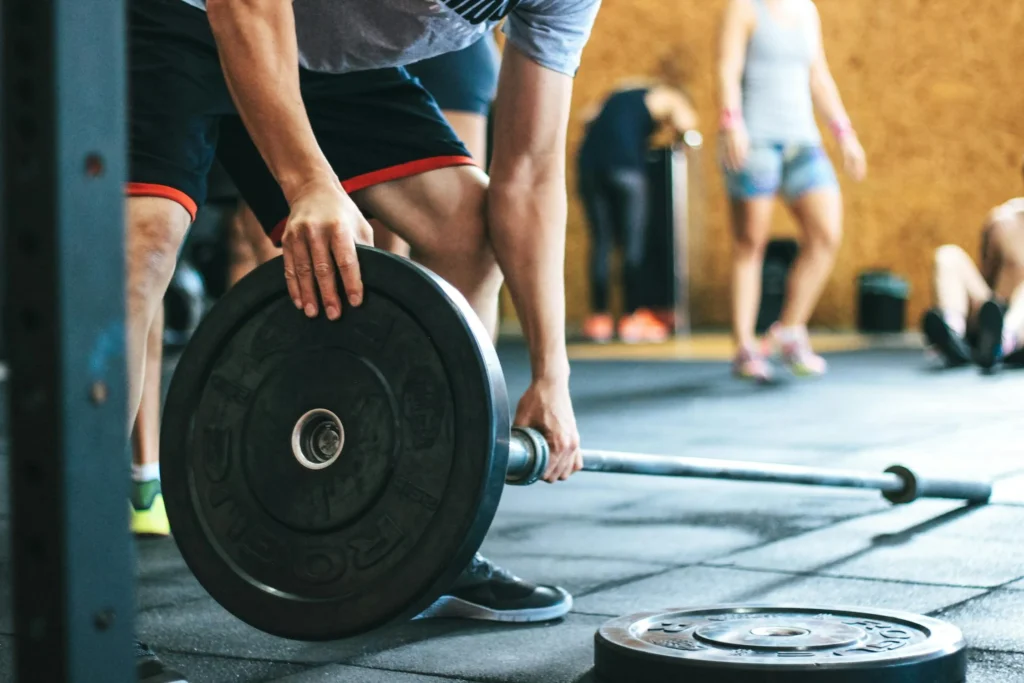
Natural bodybuilding workouts should include resistance training, emphasizing compound exercises that simultaneously target multiple muscle groups and isolation workouts that target specific muscle groups. These workouts aim to build muscle mass, increase strength, and improve overall physique without using performance-enhancing drugs or synthetic supplements. 

Here’s a sample workout routine for natural bodybuilding, including the number of sets and reps for each exercise: 


DAY 1: UPPER BODY

  • Bench Press: reps: 6 – 10 reps, 4 sets
  • Bent-Over Rows):  6-10 reps, 4 sets
  • Shoulder Press: 6-10 reps, 3 sets
  • Pull-Ups or Lat Pulldowns:  8 – 10 reps of 3 set
  • Barbell Biceps Curls: 8 – 12 reps, 3 sets
  • Triceps extension:  8 -10 reps, 3 sets


DAY 2: LOWER BODY

  • Squats:  6 – 10 reps, 4 sets
  • Deadlifts: 6 – 10 reps, 4 sets
  • Lunges:  reps: 8 – 10 reps (each leg),  3 sets
  • Leg Press: 6 reps, 3 sets
  • Leg Curls: 8 – 12 reps, 3 sets
  • Calf Raises: 15 reps, 3 sets


DAY 3: REST OR ACTIVE RECOVERY


DAY 4: UPPER BODY

  • Incline Bench Press: 8 reps, 4 sets
  • Seated Cable Rows 5 reps, 4 sets
  • Arnold Press or Lateral Raises 10 reps, 3 sets
  • Face Pulls: 8 reps, 3
  • Hammer Curls 10 reps, 3 reps
  • Overhead Triceps Extensions: 8-12 reps, 3 sets


DAY 5: LOWER BODY

  • Front Squats: 6-8reps, 4sets
  •  Romanian Deadlifts: 6-8reps, 4 sets
  • Bulgarian Split Squats 8 reps (each leg),3 sets
  • Leg Extensions: 10 reps, 3 sets
  • Standing Calf Raises: 10-15 reps, 3 sets
  • Seated Calf Raises: 10-15 reps, 3 sets


DAY 6 AND 7: RECOVERY


CONCLUSION


Natural bodybuilding is a journey that requires dedication, discipline, and a holistic approach to fitness. While supplements can be supportive in optimizing performance and recovery, they should complement a balanced diet and structured workout program.


Among the top supplements for natural bodybuilding are whey protein, creatine monohydrate, BCAAs, essential amino acids, citrulline malate, Beta-hydroxy-beta-methylbutyrate, caffeine, and glutamine. When used appropriately, these supplements can help enhance muscle growth, strength, and overall health. 


Steroids4U.eu – Steroids4U.net – Steroids4U.to | Best EU Online Steroid Shop – Buy Steroids