pondelok 7. októbra 2024

How to Cut Calories Without Losing Muscle | Steroids4U.eu - Steroids4U.net - Steroids4U.to


Are you ready to achieve lean muscle gains and reduce body fat? To do this, focusing on nutrition is essential. While your workouts help build muscle, nutrition determines your body composition. Reducing calories can be the key to losing fat while maintaining muscle mass.


Let’s break down how you can achieve this balance.


What Are Calories and Why Do We Need Them?


To begin with, calories are the units of energy that fuel every bodily function. They come from the macronutrients in our food: protein, carbohydrates, and fats. Proteins and carbohydrates provide about 4 calories per gram, while fat provides 9 calories per gram.


Your body requires a specific number of calories to function properly. When you eat more than you burn, the excess is stored as fat. Conversely, consuming fewer calories than your body needs forces it to tap into fat stores for energy, resulting in weight loss. However, it’s important to cut calories carefully to avoid losing muscle mass while doing so.


Determining Your Calorie Needs


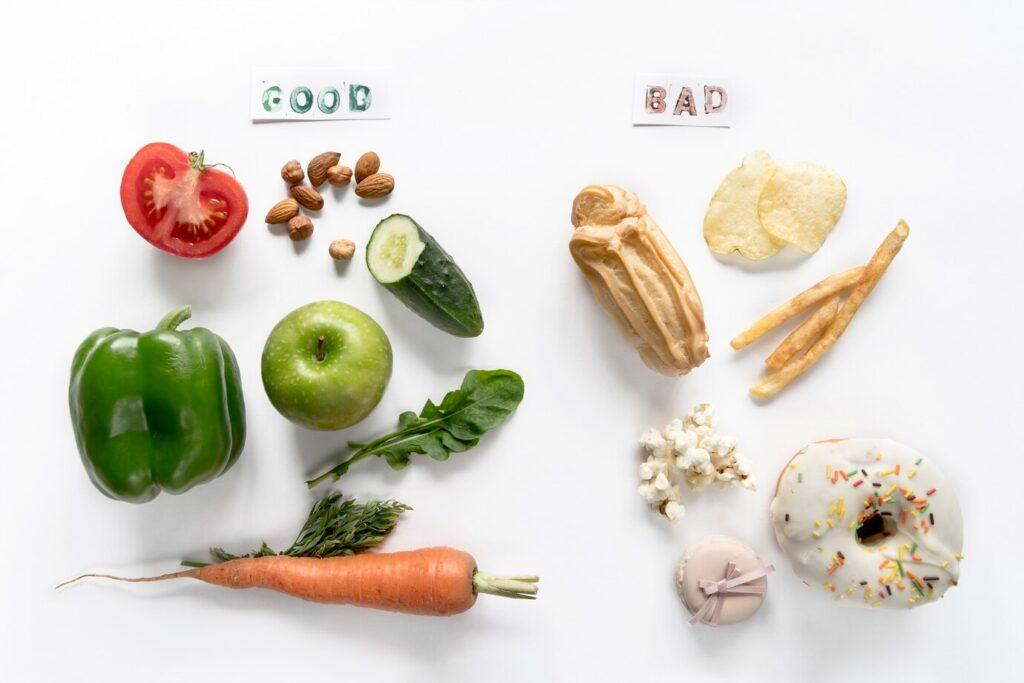
Every individual’s calorie needs are different, influenced by factors such as gender, weight, age, and activity level. As a general guideline, men need about 2,000 to 3,000 calories per day, and women require around 1,600 to 2,400 calories. If you’re a bodybuilder or fitness enthusiast, your needs can vary even more, depending on whether you’re in the bulking or cutting phase. For example, male bodybuilders may need 3,800 calories during bulking and 2,400 during cutting.


It’s important to find a balance where you are in a calorie deficit to burn fat, but still taking in enough calories to fuel your muscles and maintain your strength.

How to Reduce Calories Without Losing Muscle


When reducing calories, it’s important to do it in a way that allows you to maintain muscle mass while shedding fat. Here are five effective strategies, plus the transformational benefits you’ll experience as you make these changes.


1. Reduce Portion Sizes


One of the simplest ways to lower your calorie intake without sacrificing nutrition is by reducing portion sizes. You don’t need to eliminate the foods you love—just eat them in smaller quantities. Start by using smaller plates, which naturally lead to smaller servings, or measure your portions using your hands as a guide.


Transformational Benefit: By controlling portion sizes, you’ll still enjoy the foods you love, but with more control over your calorie intake. You’ll notice reduced bloating and more consistent energy levels throughout the day, allowing you to focus better during workouts and daily activities.


2. Swap High-Calorie Foods for Healthier Options


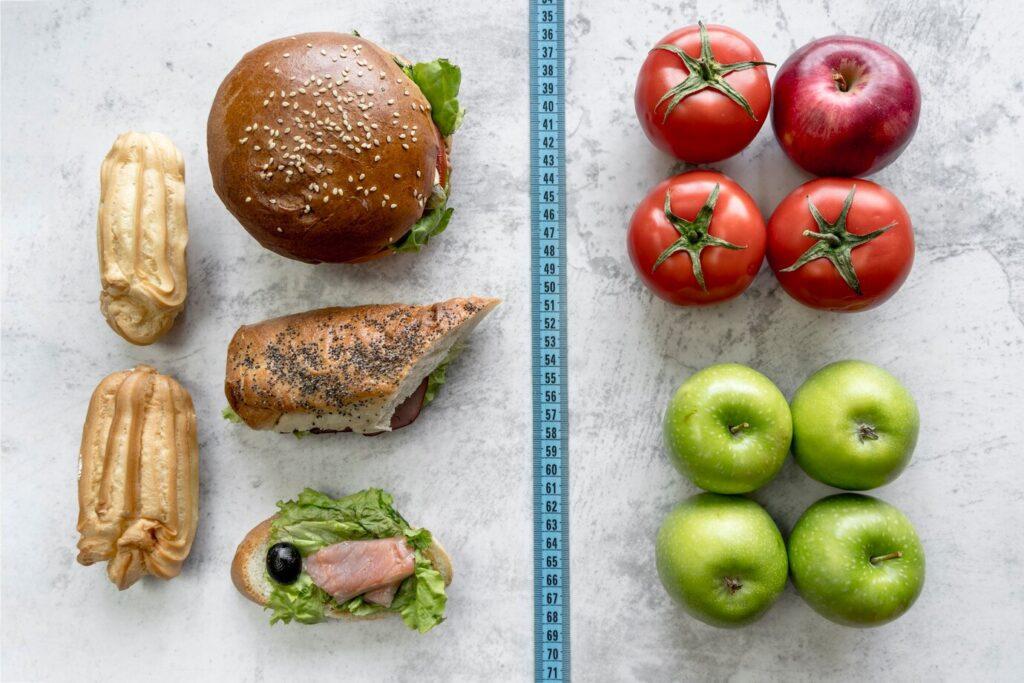
Rather than cutting out high-calorie foods altogether, swap them for nutrient-dense alternatives. For instance, replace sour cream with Greek yogurt, or use applesauce instead of butter when baking. These small changes can significantly lower your calorie intake without sacrificing flavor.


Transformational Benefit: Swapping out high-calorie foods for healthier options ensures you still get the satisfaction of eating delicious meals but with more nutrients and fewer empty calories. Over time, these choices will leave you feeling lighter, more energized, and better charged for your workout.
 

3. Limit High-Calorie Beverages


One of the biggest calorie culprits is often overlooked—sugary drinks. Sodas, energy drinks, and even certain coffee beverages can pack surprising amounts of calories, without offering any real nutritional value. Opt for water, herbal tea, or black coffee instead.


Transformational Benefit: By limiting high-calorie beverages, you’ll drastically cut unnecessary sugar from your diet, leading to better hydration, improved focus, and more consistent energy throughout the day. This will enhance your workout performance and reduce the likelihood of crashes from sugar highs.


4. Eat More Protein, Fiber, and Water-Rich Foods


Eating more protein and fiber-rich foods helps keep you full for longer and naturally reduces the amount of calories you consume. Protein also supports muscle maintenance, ensuring you lose fat, not muscle, as you cut calories.


Transformational Benefit: High-protein and fiber-rich foods stabilize your blood sugar, keeping your energy levels steady throughout the day. This means fewer cravings and overeating episodes, helping you stick to your goals while maintaining muscle mass. You’ll also notice improved digestion and a feeling of fullness, allowing you to stay on track without feeling food-deprived.


5. Prepare Meals at Home


Preparing meals at home gives you control over ingredients and portion sizes, allowing you to make smarter, healthier choices. Restaurant and takeout meals are often packed with hidden calories from added sugars and fats.


Transformational Benefit: Buying your food at a grocery store to prepare your home-cooked meals ensures fresh, whole foods without the extra calories from processed ingredients. You’ll feel more empowered in your health journey, knowing exactly what goes into your meals. Plus, cooking at home helps you establish better eating habits that can be maintained long-term, setting you up for lasting success.

 

6. Spread Out Protein Intake Throughout the Day


Consuming protein throughout the day, rather than in one or two large meals, helps support muscle maintenance during calorie reduction. Eating protein-rich foods at every meal stimulates muscle protein synthesis multiple times and is crucial for muscle retention in a calorie deficit.


Transformational Benefit: When you spread out protein intake, your body is continuously nourished, which helps keep your metabolism active and muscle mass preserved. This keeps you energized throughout the day, making it easier to stay productive and active, even while reducing calories.

7. Get Enough Sleep and Rest


Proper rest is crucial for muscle recovery and fat loss. When you’re sleep-deprived, your body releases more cortisol, a stress hormone that can lead to muscle breakdown and fat retention. You support optimal recovery and muscle preservation by getting 7-9 hours of quality sleep.


Transformational Benefit: Ensuring enough sleep means your body can efficiently repair itself, helping you feel refreshed and focused during the day. This leads to better workouts, improved mood, and a greater ability to stick with your health and fitness goals without feeling tired or stressed.


Conclusion: Transforming Your Health and Lifestyle by Reducing Calories


Reducing calorie intake without sacrificing muscle is key to building a lean, strong body. Focusing on practical strategies like controlling portion sizes, swapping high-calorie foods for healthier options, increasing protein intake, and ensuring proper rest will help maintain muscle mass while losing fat. 


When you take control of your nutrition, you’ll find yourself more energized, more confident, and more capable in every aspect of life. Imagine starting each day feeling lighter and more focused, tackling your workouts with newfound strength, and experiencing greater mental clarity throughout your workday. With these changes, you’ll reach your fitness goals and enjoy a healthier, more active lifestyle that is sustainable for years to come.


By making these small but impactful adjustments, you’re setting the foundation for long-term health. You’ll be able to lose fat while preserving muscle, improve your digestion, and maintain a balanced lifestyle that prioritizes your well-being. Whether you’re a seasoned athlete or just starting your fitness journey, reducing your calorie intake the right way is your gateway to achieving the lean, strong body you’ve always wanted.


Steroids4U.eu – Steroids4U.net – Steroids4U.to | Best EU Online Steroid Shop – Buy Steroids


nedeľa 29. septembra 2024

Bodybuilding is the Most Dangerous Sport? — Not Really… | Steroids4U.eu - Steroids4U.net - Steroids4U.to


Bodybuilding is the Most Dangerous Sport? — Not Really…

Bodybuilding-is-the-Most-Dangerous-Sport

Without question, we’ve had far too many bodybuilders die over the last few years. And we’re not talking about old individuals who lived a long life and died of natural causes. We are talking about tragic losses of bodybuilders who are in their 30s and even younger. But is bodybuilding the most dangerous sport out there?

I think we need to take a step back and start unpacking things as they relate to what we consider the most dangerous sport and how bodybuilding fits into this equation.

In this article, we are going to dive deeper into what makes the most dangerous sport and whether or not bodybuilding should have a deserving seat at the debate table.

Let’s dive into things…

Disclaimer: This article is for informational purposes only and is not meant to treat or diagnose any condition. It is recommended that you speak with your doctor before starting any exercise program, making changes to your nutrition, or adding any supplements to your current routine.

What Makes Bodybuilding Dangerous?

As with most things we do, bodybuilding has an inherent danger as anyone who exercises can put themselves at risk of injury or a cardiac event. But does that mean we shouldn’t get any sort of physical activity and live in fear that getting off the couch is bad for us?

No. That’s the dumbest thing I’ve ever heard.

That said, bodybuilding takes things a step further. The heavy lifting can cause an injury to take place that could cause death. However, the risk associated with that becoming a reality is very low.

So, what actually would make bodybuilding the most dangerous sport out there? It’s the drug use. I’m not talking about just steroids and anabolics. You obviously need to factor that in and what those substances can potentially do to the organs. Can steroids cause heart issues and organ failure? Without a doubt. Can they cause irreversible side effects that harm long-term health? For sure.

But we also need to look at the recreational drug use that no one is really talking about.

Bodybuilders put themselves through hell in the gym. They push their bodies to the limit and then walk around the rest of the day sore and with trauma that needs time to properly heal and recover. Walking around in pain from banged-up joints, muscle injuries, and other gym-related issues that can happen causes many bodybuilders to dabble with painkillers.

It should come as no breaking news that many people have died from overdoses related to painkillers, such as opiates. Some bodybuilders find themselves using these types of drugs just to live a somewhat normal life where they can actually function and get out of bed.

So, does this make bodybuilding the most dangerous sport? I’m not so sure it’s at the top of the list.

Are There Other Sports That Are Just as Dangerous?

Absolutely and without question. Look at all these contact sports where people are constantly getting hurt and injured. You have football where grown men weighing 250+ pounds are running into each other like two trains colliding. The damage and trauma that it causes is crazy.

You have head injuries, spine injuries, broken bones… the list goes on and on.

Then you have sports like boxing and MMA. I don’t know about you, but getting punched or kicked in the face and head doesn’t sound healthy to me. I don’t wake up in the morning looking forward to getting my face rearranged, and my brain slammed against my skull.

Any type of combat sport provides the recipe for massive injuries and potential death. We see it on the news where people get in a street fight, and after getting knocked out and hitting their head on the ground, they die.

To me, that’s way more dangerous than bodybuilding.

Is Bodybuilding the Most Dangerous Sport Out There?

No, not in my opinion. When I think of the most dangerous sport out there, it’s hard to not put combat sports ahead of everything else. Does bodybuilding have its own risk? Sure. And everyone has their own risk tolerance. We have people who jump out of a plane for fun. That’s wild to me. We have people crossing the street every day and hear about them getting hit and killed. There’s a risk with anything we do.

So, in the end, without question, we’ve seen many deaths lately in the bodybuilding industry. But no one is forcing them to partake in the use of any sort of drugs or anabolics. I believe there are a number of sports that would go before bodybuilding in a list of the most dangerous sport.

But in the end, think of the number of deaths from car accidents, drug overdoses, random illnesses, and many other things that outrank bodybuilding. So, while people want to demonize the sport, they’re cherry-picking one aspect of the sport they don’t agree with and turning that into why they say it’s the most dangerous sport.

I’d be interested to hear your thoughts down in the comments. Do you think bodybuilding is the most dangerous sport?

Steroids4U.eu – Steroids4U.net – Steroids4U.to | Best EU Online Steroid Shop – Buy Steroids

štvrtok 12. septembra 2024

Lifelong Bodybuilding: Bodybuilding At Any Age | Steroids4U.eu - Steroids4U.net - Steroids4U.to


Lifelong Bodybuilding: Bodybuilding At Any Age

Bodybuilding-At-Any-Age

When you think of bodybuilding, what comes to mind? Probably young, peak-conditioned athletes, right? But the truth is that bodybuilding can be done at any age. From teenagers to seniors, lifelong bodybuilding offers many benefits and can be adapted to suit individual needs and capabilities.

In this article, we will dive deeper and explore how you can engage in bodybuilding throughout your life, adjusting your approach as you age while still reaping the rewards of this approach to a specific training style.

Disclaimer: This article is for informational purposes only and is not meant to treat or diagnose any condition. It is recommended that you speak with your doctor before starting any exercise program, making changes to your nutrition plan, or adding any new supplements into your current routine.

 How Lifelong Bodybuilding Can Be Accomplished

If you play to win, bodybuilding is something you can do for a lifetime, and keep stacking wins with each passing year, even if you aren’t a competitive bodybuilder with their IFBB Pro Card.

The fact is you don’t need to be “in your prime” to enjoy bodybuilding. Lifelong bodybuilding is a real thing, and it’s being done as we speak.

Let’s look at how you can enjoy lifelong bodybuilding and bodybuilding at any age.

Teenage Years (13-19)

Many bodybuilders fell in love with the process of building their bodies back in their teens.

The teenage years are a time of rapid growth and development, making it an excellent period to start bodybuilding. However, it’s crucial to approach it with care.

Teenagers should focus on learning proper form and technique rather than lifting heavy weights. This foundation will serve them well throughout their lifelong bodybuilding journey.

Key considerations for teenage bodybuilders:

  • Leverage your high testosterone levels and production during your teen years
  • Emphasize bodyweight exercises and light resistance training
  • Focus on full-body workouts to promote overall muscle development
  • Prioritize proper nutrition to support growth and recovery
  • Seek guidance from qualified trainers or coaches
  • Balance bodybuilding with other physical activities and sports

It’s important for teenagers to avoid overtraining and to listen to their bodies. Growth spurts can temporarily affect coordination, so adjusting workouts accordingly is very important as their body is still changing regularly compared to young adults.

Young Adults (20-35)

This age range is often considered the prime for bodybuilding. Hormone levels are still optimal, recovery is generally fast, and the body is extremely resilient.

Young adults can engage in more intense training regimens and may see rapid results thanks to their high testosterone levels.

It should be noted, though, that once men hit the age of 30, testosterone levels do tend to start decreasing with each passing year. So, push yourself hard in your 20s to see the best results and get a head start with lifelong bodybuilding.

Strategies for young adult bodybuilders:

  • Implement progressive overload to continually challenge the muscles
  • Experiment with various training methods, such as split routines, supersets, etc.
  • Pay attention to nutrition (tracking macronutrients is highly recommended)
  • Consider competing if it aligns with your personal goals
  • Balance bodybuilding with career and personal life demands

Young adults should be cautious not to sacrifice form for heavier weights and should prioritize recovery to prevent burnout and injuries.

Middle Age (36-55)

As we enter middle age, hormone levels begin to take a nosedive, and recovery may take a bit longer. So, we need to stay vigilant and make recovery a major focus.

That said, it doesn’t mean bodybuilding becomes less effective.

With the right approach, middle-aged individuals can still make significant gains in muscle and strength.

Adjustments for middle-aged bodybuilders:

  • Increase focus on recovery, possibly reducing training frequency
  • Pay extra attention to warm-ups and cool-downs
  • Incorporate more joint-friendly exercises
  • Consider hormone optimization (such as TRT) under medical supervision
  • Emphasize the mind-muscle connection to maximize workout efficiency

Middle-aged bodybuilders often find that their wealth of experience allows them to train smarter, not necessarily harder, leading to continued progress with their lifelong bodybuilding.

Seniors (56 and above)

Bodybuilding in your senior years is not only possible but highly beneficial. One of the main things that bodybuilding helps with is combating age-related muscle loss (sarcopenia), the ability to improve bone density, and improving your overall quality of life.

The key is to adapt your training approach to suit individual capabilities and health conditions.

Strategies for senior bodybuilders:

  • Prioritize safety and proper form over heavy weights
  • Focus on functional strength that supports daily activities
  • Incorporate more machine-based exercises for added stability
  • Pay special attention to nutrition, ensuring adequate protein intake
  • Work closely with your doctor to monitor your health

Many seniors find that bodybuilding provides not only physical benefits but also mental.

Overcoming Age-Related Challenges for Lifelong Bodybuilding

Each life stage for lifelong bodybuilding presents its own set of unique challenges. Teenagers might struggle with impatience, wanting rapid results. Young adults often grapple with balancing intense training with busy lifestyles. Middle-aged bodybuilders may face declining hormone levels and slower recovery. Seniors might deal with health issues that complicate their training.

The key to overcoming these challenges is adaptability and a positive mindset. Embrace your current stage of life and adjust your expectations and methods accordingly. Remember that lifelong bodybuilding is a journey, not a destination.

Steroids4U.eu – Steroids4U.net – Steroids4U.to | Best EU Online Steroid Shop – Buy Steroids

streda 4. septembra 2024

Sleep and Weight Loss: How to Improve Your Sleep Habits | Steroids4U.eu - Steroids4U.net - Steroids4U.to


Sleep and Weight Loss: How to Improve Your Sleep Habits


Have you ever wondered why your efforts to lose weight seem to plateau despite maintaining a healthy diet and regular exercise? The culprit might not be your routine or diet but rather your sleep patterns. Sleep is often overlooked in weight management, but it plays a pivotal role in your journey toward a healthier body.


Numerous studies have shown that the quality and duration of sleep can significantly impact weight loss efforts. While insufficient sleep can contribute to weight gain, consistently getting enough quality sleep can help you achieve your weight loss goals through better hormonal balance, enhanced metabolism, and improved energy levels.


But how exactly does sleep influence weight loss, and how can you ensure you get the sleep you need? This article dives into the intricate relationship between sleep and weight loss and provides practical tips to optimize your sleep habits for better results.


How Does Sleep Affect Weight Loss?


Understanding the connection between sleep and weight loss can be eye-opening. Here are the key ways sleep impacts your journey:


Hormonal Imbalance


Sleep deprivation disrupts the delicate balance of hormones that regulate hunger and satiety, particularly ghrelin and leptin. Under normal circumstances, ghrelin levels rise to signal hunger, while leptin levels increase to signal fullness after eating. However, when you don’t get enough sleep, ghrelin levels increase, and leptin levels decrease. This hormonal imbalance leads to heightened hunger and food cravings, making it more challenging to maintain a calorie deficit necessary for weight loss.


For example, after a night of poor sleep, you might find yourself reaching for high-calorie snacks or feeling unsatisfied after meals. This pattern can contribute to overeating and, over time, weight gain.


Reduced Physical Activity


A lack of sleep can leave you feeling fatigued and less motivated to engage in physical activities. When you’re tired, you’re less likely to hit the gym or even stay active throughout the day. This reduced physical activity decreases your overall energy expenditure, which can slow down your weight loss progress.


Additionally, sleep deprivation has been linked to decreased exercise performance. You might find that your workouts feel more challenging, and you’re less able to push yourself, leading to fewer calories burned and less muscle engagement. Over time, this can hinder your weight loss efforts and even lead to weight gain if your caloric intake remains the same.


Metabolism Dysregulation


Metabolism is the process by which your body converts the food you consume into energy. Sleep and metabolism are closely linked, as sleep plays a crucial role in regulating glucose metabolism and insulin sensitivity. When you’re sleep-deprived, your body’s ability to process glucose is impaired, leading to insulin resistance. This condition not only elevates your blood sugar levels but also promotes fat storage, making it harder to shed excess pounds.


Moreover, sleep deprivation triggers the release of cortisol, a stress hormone that encourages your body to conserve energy in the form of fat. Over time, this can lead to weight gain and make it more difficult to lose weight, even if you’re eating healthily and exercising regularly.


Increased Appetite and Cravings


A lack of sleep can wreak havoc on your appetite-regulating hormones, leading to an increase in hunger and cravings. As mentioned earlier, sleep deprivation raises ghrelin levels while lowering leptin levels, which can result in an overwhelming urge to eat—especially high-calorie, sugary, and fatty foods.


This can create a vicious cycle where poor sleep leads to poor food choices, which can, in turn, lead to further weight gain. If you’re trying to lose weight, managing your sleep is just as important as managing your diet.


Poor Decision-Making


Sleep deprivation doesn’t just affect your body; it also impacts your brain. When you’re tired, your brain’s ability to make sound decisions is compromised. The frontal lobe, responsible for decision-making and impulse control, becomes less active, making you more prone to making poor food choices. This might manifest as reaching for that extra slice of pizza or indulging in late-night snacks, even when you know it’s not in line with your weight loss goals.


Moreover, sleep-deprived individuals tend to gravitate toward larger portions of calorie-dense foods. The combination of impaired decision-making and increased cravings can significantly derail your weight loss efforts.


Ways Sleep Can Help You Lose Weight

Now that you understand how sleep affects weight loss, let’s explore how improving your sleep can help you achieve your goals:

1. Enhanced Metabolic Function

Getting enough sleep is crucial for regulating metabolic processes, such as glucose metabolism and insulin sensitivity. When you sleep well, your body is better equipped to process glucose efficiently, reducing the risk of insulin resistance and promoting better fat metabolism. This not only helps prevent weight gain but also supports your efforts to lose weight.

In contrast, sleep deprivation lowers your resting metabolic rate (RMR), the number of calories you burn at rest. By prioritizing sleep, you can maintain a higher RMR, making it easier to create the calorie deficit needed for weight loss.

2. Increased Physical Activity and Performance

A well-rested body is more likely to be active. When you consistently get enough sleep, you wake up feeling refreshed, energized, and ready to tackle the day. This increased energy translates into better exercise performance, allowing you to push harder, burn more calories, and build more muscle.

Studies have shown that individuals who prioritize sleep are more likely to engage in regular physical activity, which is essential for long-term weight management. Moreover, sleep enhances muscle recovery, helping you build lean muscle mass that can further boost your metabolism.

3. Appetite Regulation

Quality sleep helps regulate your appetite by maintaining a healthy balance of ghrelin and leptin. When these hormones are in balance, you’re less likely to experience intense hunger and cravings, making it easier to stick to your diet plan. By curbing excessive hunger and promoting a sense of fullness, sleep enables you to maintain a calorie deficit without feeling deprived.

4. Prevention of Weight Gain

Chronic sleep deprivation has been linked to weight gain and an increased risk of obesity. By ensuring you get enough sleep, you can prevent the hormonal imbalances that lead to increased appetite, reduced metabolism, and fat storage. Prioritizing sleep creates a favorable environment for weight loss and reduces the likelihood of gaining weight in the first place.

5. Better Food Choices

When you’re well-rested, your cognitive functions, including decision-making and impulse control, are at their best. This means you’re more likely to make healthier food choices, resist temptations, and stick to your diet plan. By improving your sleep, you can enhance your mental clarity and make more mindful decisions that support your weight loss goals.


7 Tips to Improve Your Sleep


To harness the benefits of sleep for weight loss, it’s essential to prioritize and improve the quality of your sleep. Here are seven tips to help you get started:


1. Establish a Consistent Sleep Schedule


Aim to go to bed and wake up at the same time every day, even on weekends. This consistency helps regulate your body’s internal clock, making it easier to fall asleep and wake up naturally.


2. Create a Sleep-Friendly Environment


Your bedroom should be a sleep sanctuary. Keep it cool, dark, and quiet to create an environment conducive to rest. Invest in a comfortable mattress and pillows, and consider using blackout curtains, earplugs, or white noise machines to eliminate any disruptions.


3. Limit Screen Time Before Bed


The blue light emitted by smartphones, tablets, and computers can interfere with your body’s production of melatonin, the hormone that regulates sleep. To promote better sleep, try to avoid using electronic devices at least an hour before bedtime, or use blue light filters if you must use them.


4. Develop a Relaxing Bedtime Routine


Incorporating relaxing activities into your evening routine can signal to your body that it’s time to wind down. Consider reading a book, taking a warm bath, practicing deep breathing exercises, or listening to calming music before bed.


5. Be Mindful of Your Diet


Avoid large, heavy meals and excessive fluid intake close to bedtime, as these can disrupt your sleep. Also, limit your intake of caffeine, nicotine, and alcohol in the hours leading up to bedtime, as these substances can interfere with your ability to fall asleep.


6. Incorporate Regular Exercise


Regular physical activity can improve sleep quality, but timing is key. Try to finish any vigorous exercise at least a few hours before bed to give your body time to wind down. Moderate exercise during the day, such as walking or yoga, can help promote better sleep.


7. Manage Stress Effectively


Stress and anxiety are common culprits of poor sleep. To manage stress, consider incorporating relaxation techniques such as meditation, journaling, or spending time in nature into your daily routine. These practices can help calm your mind and prepare your body for restful sleep.


Conclusion


Sleep plays a critical role in weight loss and overall health. By understanding the connection between sleep and weight management, you can make informed changes to your sleep habits that support your weight loss goals. Quality sleep influences your metabolism, appetite, and energy levels, setting the stage for successful weight loss.


By implementing the tips outlined above—such as establishing a consistent sleep schedule, creating a sleep-friendly environment, and practicing a relaxing bedtime routine—you can optimize your sleep and, in turn, your weight loss journey.


Steroids4U.eu – Steroids4U.net – Steroids4U.to | Best EU Online Steroid Shop – Buy Steroids

streda 28. augusta 2024

8 Signs and Symptoms of a Protein Deficiency | Steroids4U.eu - Steroids4U.net - Steroids4U.to


8 Signs and Symptoms of a Protein Deficiency

What-Happens-When-You-Experience Muscle Loss

A protein deficiency can derail your progress and results in the gym.

The fact is protein serves as a fundamental building block for the body, supporting various functions beyond muscle growth and satiety. It’s found in every cell, contributing to the health of tissues to bones, and even skin.

While protein deficiency symptoms exist, they are uncommon in individuals residing in developed countries with access to diverse food options. For instance, a protein deficiency in the US is rare but not out of the realm of possibilities.

Although protein deficiency is rare in such contexts, understanding its signs remains important. This knowledge helps us to ensure we maintain an adequate intake of this essential macronutrient. From muscle repair to hormone production, protein plays a crucial role in overall health.

In this article, we will dive deeper and learn more about the signs and symptoms of a protein deficiency so it can be avoided in the early stages.

Disclaimer: This article is for informational purposes only and is not meant to treat or diagnose any condition. It is recommended that you speak with your doctor before starting any exercise program, changing your daily nutrition, or adding any supplements to your regimen.

What is a Protein Deficiency?

A protein deficiency arises when your intake fails to meet your body’s needs, impacting millions worldwide, especially in Central Africa and South Asia.

While rare in developed nations like America, some individuals still consume insufficient protein, leading to gradual changes like muscle wasting.

Symptoms range from subtle changes to severe issues, such as edema and skin lesions.

Monitoring protein intake and addressing a protein deficiency promptly is crucial for overall health and well-being.

8 Symptoms of Protein Deficiency

Below are some of the most notable signs and symptoms of a protein deficiency:

1.     High cholesterol

High cholesterol and triglycerides stem not only from fatty foods but also from inflammation, hormonal imbalances, and diets rich in processed and sugary items.

Substituting protein-rich foods with sugary snacks and refined carbs can hamper fat processing by the liver and cells, leading to increased cholesterol levels.

Research suggests a potential inverse correlation between protein consumption and heart disease risk. Hence, prioritizing protein-rich foods may help maintain heart health and manage cholesterol levels.

2.     Edema or swelling

Kwashiorkor, characterized by bilateral swelling, is primarily linked to low albumin levels in the body. Albumin helps in maintaining fluid within blood vessels.

Insufficient albumin leads to an imbalance in fluid distribution, prompting the body to retain more water and sodium, resulting in swelling.

3.     Fatty liver

Fatty liver, seen in kwashiorkor, involves fat buildup in liver cells. If untreated, it may lead to fatty liver disease, causing liver inflammation and scarring.

While commonly associated with obesity and excessive alcohol intake, it can also occur in cases of protein deficiency. Impaired synthesis of fat-transporting proteins might contribute to this condition.

Understanding these factors highlights the complexity of kwashiorkor’s effects on the body.

4.     Mood swings

Protein is essential for neurotransmitter production in the brain. Amino acids, the building blocks of protein, form many neurotransmitters.

Insufficient protein intake can restrict neurotransmitter synthesis, affecting brain function. Low levels of neurotransmitters like dopamine and serotonin, influenced by protein deficiency, may lead to mood disorders such as depression or aggression.

Hence, it is advised to take enough protein to support brain health at its best as well as neurotransmitter balance.

5.     Muscle loss and weakness

Skeletal muscle is the muscle that is attached to the bones. It is the type of muscle that helps our body move, which is why preventing a protein deficiency is vital.

When you consume high amounts of protein, it helps build and maintain skeletal muscle mass and strength.

The human body breaks down skeletal muscle tissue for energy consumption when there is not enough protein to use. This can lead to muscle atrophy, and even minor muscle loss can affect your strength and movement.

6.     Hair, nail, and skin problem

Hair, skin, and nails rely heavily on proteins such as elastin, collagen, and keratin for their health and integrity. Low protein intake and a protein deficiency can lead to issues like brittle or thinning hair, dry and flaky skin, and deep ridges on fingernails.

While diet isn’t the sole factor, ensuring sufficient protein intake is crucial for maintaining the health of these tissues.

7.     Weakness and fatigue

Low protein intake may not immediately affect your energy levels or strength within a day, but over time, it can lead to muscle breakdown as your body attempts to compensate. This also leads you down the path to a potential protein deficiency.

Weakness and fatigue are among the earliest signs of protein deficiency, particularly concerning for older adults.

Research suggests that insufficient protein intake is associated with frailty in individuals aged 60 or older, characterized by weakness, low energy, and unintentional weight loss.

8.     Poor sleep

Unstable blood sugar levels, coupled with increased cortisol and reduced serotonin production, can contribute to poor sleep and insomnia.

Carbohydrates lead to higher insulin levels compared to fat or protein. Consuming protein-rich foods before bedtime helps in tryptophan and serotonin synthesis while having minimal impact on blood glucose levels.

Moreover, protein slows the absorption of sugar during meals, promoting more stable blood sugar levels throughout the night.