nedeľa 20. októbra 2024

Shed Fat and Build Muscle Without Compromise | Steroids4U.eu - Steroids4U.net - Steroids4U.to


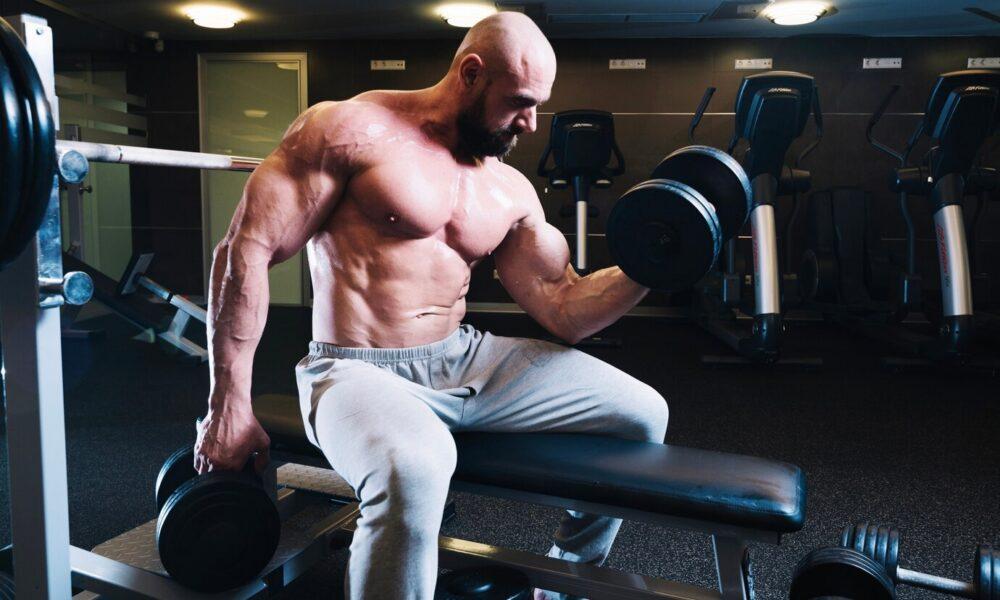
Everyone has different fitness goals they want to hit, whether it’s building muscle, losing fat, or both. If you’ve ever tried doing both at the same time, you know how tricky it can be. The diets and exercises required for losing fat and gaining muscle often seem at odds—one needs a calorie deficit, the other a surplus. You may worry about losing muscle while trying to lose fat or fear gaining fat while building muscle. It feels like you can’t win!


Well, good news: You can have the best of both worlds. With the right strategies, it’s totally possible to burn fat and build muscle at the same time. 


Let’s walk through how to achieve this with a focus on smart calorie management and training.


Body Composition: The Key to Building Muscle and Losing Fat


Before moving forward, let’s clarify some key terms. What we’re really talking about when we say “build muscle and lose fat at the same time” is improving your body composition. This means changing the ratio of fat to lean mass (muscle, bone, organs, etc.) in your body.


Improving your body composition isn’t about getting as skinny as possible or bulking up like a bodybuilder. Instead, it’s about reshaping your body so you have more muscle and less fat—creating that lean, toned look.


Here’s the tricky part: losing fat typically requires you to eat fewer calories than you burn, while gaining muscle usually means you need to consume more calories than you burn to give your body the energy and nutrients needed for muscle growth. How can you do both?


The answer is calorie management, specifically calorie cycling.


Calorie Cycling: The Foundation of Fat Loss and Muscle Gain


Calorie cycling is a flexible eating strategy where you adjust your calorie intake based on your activity levels throughout the week. This allows you to provide your body with enough fuel to build muscle on training days and promote fat loss on rest or low-activity days. Think of it as working with your body’s natural energy needs instead of against them.


How Calorie Cycling Works


Your body can do three things with the calories you eat:


  1. Use them for immediate energy (like during a workout).
  2. Use them to repair and grow muscles.
  3. Store them as fat.


When you’re trying to lose fat, the goal is to prevent your body from storing excess calories as fat. On the flip side, to build muscle, you want to make sure your body has enough energy to repair and grow muscle tissues after workouts.


With calorie cycling, you’ll eat more calories on workout days to fuel your training and help repair your muscles. On rest days or cardio-only days, you’ll eat slightly fewer calories, so your body uses fat stores for energy instead of muscle.


Finding Your Maintenance Calories


The first step in calorie cycling is figuring out your maintenance calories—the number of calories your body needs each day just to function and maintain your current weight. This includes energy for things like breathing, digestion, and basic movement.


You can calculate your maintenance calories using online calculators, which take into account factors like your age, weight, height, and activity level. If you work with a personal trainer or health professional, they can help you dial in these numbers too.


Once you know your maintenance calories, the next step is adjusting your intake based on your workout routine.


Adjusting Calories for Training Days and Rest Days


On workout days, especially when you’re lifting weights or doing intense exercise, aim to consume a small calorie surplus—about 5-10% above your maintenance calories. This ensures your muscles have enough fuel to recover and grow after your workout. Protein intake becomes even more crucial if you’re in a muscle-building phase. Focus on lean protein sources like chicken, fish, or plant-based options to repair muscles and stimulate growth.


Aim for a slight calorie deficit on cardio or rest days—maybe 5-10% fewer calories than your maintenance level. This encourages your body to burn stored fat for energy without sacrificing muscle mass. The goal is to burn more calories than you take in, but not to the point where you start losing muscle.


This balance can seem tricky at first, but over time, your body will adapt to these changes, and you’ll start seeing results.

 

Bulking and Cutting: Cycling Phases for Optimal Results


While calorie cycling helps you manage your intake day-to-day, you’ll also hear people talk about bulking and cutting cycles for long-term muscle gain and fat loss. These are longer phases where you either focus more on building muscle (bulking) or losing fat (cutting).


Bulking: Focus on Muscle Growth


During a bulking phase, the goal is to gain muscle by eating more calories than you burn—typically around a 10-20% calorie surplus. For example, if your maintenance level is 2,500 calories, you might eat between 2,750 and 3,000 calories per day during bulking.


It’s important to remember that bulking is not about eating junk food and gaining as much weight as possible. Focus on nutrient-dense foods like lean proteins, complex carbohydrates, healthy fats, and vegetables to support muscle growth. You want to gain muscle, not unnecessary fat.


Common foods for bulking include:


  • Proteins: Lean meats, fish, eggs, protein shakes
  • Carbs: Whole grains, oats, sweet potatoes, rice
  • Fats: Avocado, nuts, seeds, olive oil


Cutting: Lose Fat Without Losing Muscle


After a bulking phase, you might switch to a cutting phase to shed fat and reveal the muscle you’ve built. Cutting involves creating a calorie deficit—typically about 500 calories less than your maintenance level. If your maintenance level is 2,500 calories, you’d aim for around 2,000 calories a day while cutting.


Even though you’re eating fewer calories, keeping your protein intake high and continuing strength training is crucial. This helps prevent muscle loss while you focus on burning fat. You can include foods like:


  • Lean proteins: Chicken, turkey, egg whites, low-fat fish
  • Fibrous carbs: Vegetables, brown rice, quinoa
  • Healthy fats (in moderation): Olive oil, seeds, nuts


Cutting can be tough on your energy levels, especially during intense workouts. However, the results—losing fat while maintaining muscle—are worth it.


Understanding the Role of Macros and Calories


One of the keys to balancing fat loss and muscle gain is managing your macronutrients (protein, carbs, and fats). While calorie intake is essential, what you eat matters just as much. Each macro serves a specific function:


  • Protein repairs and builds muscle.
  • Carbohydrates provide energy for workouts.
  • Fats support hormone production and overall health.


Aiming for a diet high in protein, moderate in carbs, and low in unhealthy fats can maximize both muscle growth and fat loss. During both bulking and cutting phases, it’s important to adjust these macronutrients in line with your calorie needs.



Cardio and Lifting: A Balanced Approach


Now, let’s talk about exercise. You need a balance of strength training and cardio to successfully lose fat and build muscle,


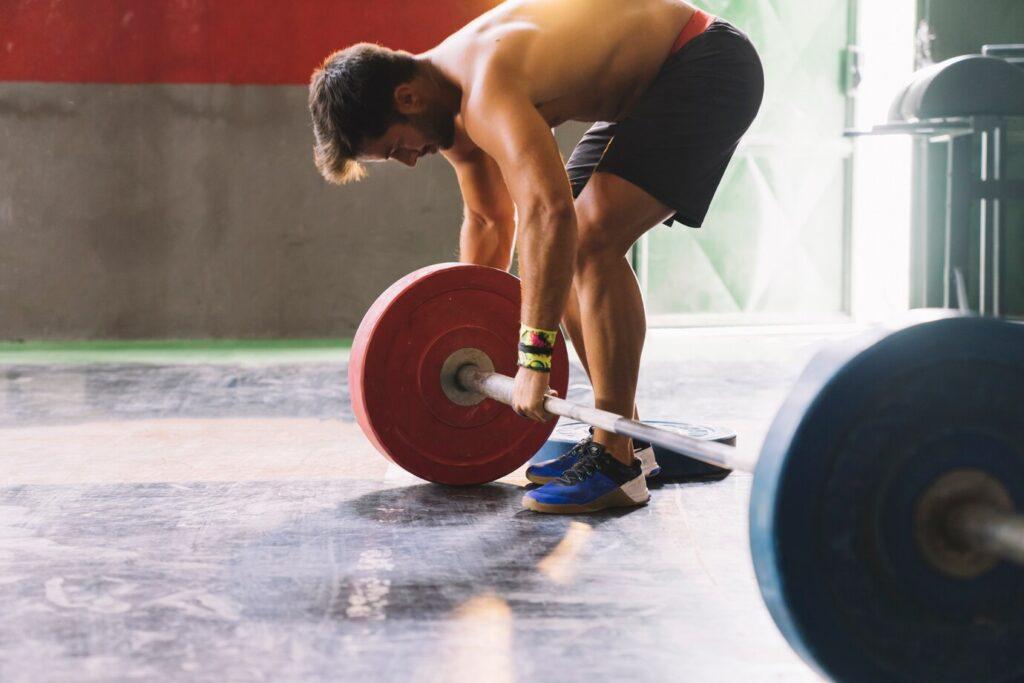
Strength training is key to building muscle. Aim to lift weights at least 3-4 times a week, focusing on compound movements like squats, deadlifts, and bench presses that work multiple muscle groups. This stimulates muscle growth and burns calories.


Cardio, on the other hand, helps you burn fat and improve heart health. Incorporate a mix of low-intensity cardio (like walking or cycling) and high-intensity interval training (HIIT) for maximum fat burning.


The right combination of strength training and cardio will help you achieve a lean, muscular body without sacrificing one goal for the other.


Conclusion: Be Patient and Consistent


Changing your body composition—losing fat while gaining muscle—takes time, patience, and consistency. By using strategies like calorie cycling, balancing macros, and incorporating strength training with cardio, you’ll be on your way to achieving your fitness goals.


Remember, everyone’s body responds differently to training and diet. It’s important to listen to your body, track your progress, and adjust as needed. Be kind to yourself during the process, and celebrate the small wins along the way.


Steroids4U.eu – Steroids4U.net – Steroids4U.to | Best EU Online Steroid Shop – Buy Steroids


nedeľa 13. októbra 2024

Top 10 Healthy Protein Snacks to Boost Your Training | Steroids4U.eu - Steroids4U.net - Steroids4U.to


Protein is a cornerstone of any effective fitness routine, especially when your goal is to build lean muscle. Intense workouts break down muscle fibers, and protein helps repair and grow them back stronger. Beyond your main meals, incorporating protein-rich snacks before or after workouts can significantly enhance your muscle-building efforts. 


In this comprehensive guide, we’ll delve into why protein is essential, and how much you need, and introduce you to 10 healthy protein snacks that will keep your body strong and fueled.


Why Protein Matters


Protein isn’t just for building muscles—it plays a vital role in numerous bodily functions, including hormone production, immune defense, and tissue repair. Here are four compelling reasons why protein should be a staple in your diet:


1. Supports Muscle Growth and Recovery


Your muscles rely on protein to repair after a tough workout. Adequate protein intake speeds up the recovery process, allowing you to hit your next session harder. Over time, this leads to an increase in muscle mass, which helps boost your metabolism and improve strength.


2. Helps Control Hunger


Ever felt ravenous after a workout or throughout the day? Protein is your hunger-busting ally. It helps manage your appetite by reducing the levels of ghrelin, the hormone that triggers hunger. Additionally, its high thermic effect keeps you feeling fuller for longer.


3. Builds Stronger Bones


As you age, maintaining bone density becomes more critical, especially for women. Protein provides the necessary support for the cells responsible for building bone tissue, helping reduce the risk of osteoporosis and bone fractures as you grow older.


4. Aids in Weight Management


Not only does protein help you lose fat, but it also ensures you keep it off. By boosting your metabolic rate and curbing cravings, protein helps you maintain a healthy weight even when you’re not exercising. This makes it easier to stay fit and avoid regaining the weight you’ve worked so hard to shed.


Choosing the Right Protein for You


There are various types of protein available, each with its unique benefits. Here’s a quick rundown to help you decide which one suits your needs best:


  • Whey Concentrate: Great for beginners and budget-conscious individuals, whey concentrate is ideal for daily use. It’s best taken pre- or post-workout to avoid bloating.
  • Whey Isolate: If you’re on a low-carb diet or need fast-absorbing protein, whey isolate is a solid choice. It’s more expensive but perfect for quick recovery after workouts.
  • Casein: For those looking for slow-digesting protein, casein is your go-to. It’s ideal for nighttime consumption, providing a steady release of amino acids throughout the night.


Consider your goals and dietary preferences when selecting the protein source that fits your needs.


How Much Protein Do You Really Need?


The amount of protein you need depends on several factors, including your daily calorie intake, weight, activity level, and age. Here’s a general guideline to help you figure out your protein requirements:


  • Calories: The USDA suggests consuming 10% to 35% of your total daily calories from protein. If you’re eating 2,000 calories per day, aim for 200 to 700 of those calories to come from protein sources.
  • Weight: An active adult should aim for at least 0.8 grams of protein per kilogram of body weight. For example, if you weigh 70 kg (154 lbs), aim for about 56 grams of protein daily.
  • Age: Protein needs vary with age, and older adults often require more to maintain muscle mass and bone density.


Using an online protein calculator can help you get a more precise estimate based on your activity level and weight.


How to Reduce Calories Without Losing Muscle


When reducing calories, it’s crucial to do so in a way that allows you to maintain muscle mass while shedding fat. Here are seven effective strategies to help you achieve this balance, along with the transformational benefits you’ll experience:


1. Reduce Portion Sizes


One of the simplest ways to lower your calorie intake without sacrificing nutrition is by reducing portion sizes. You don’t need to eliminate the foods you love—just eat them in smaller quantities. Start by using smaller plates, which naturally lead to smaller servings, or measure your portions using your hands as a guide.


Transformational Benefit: By controlling portion sizes, you’ll still enjoy the foods you love, but with more control over your calorie intake. You’ll notice reduced bloating and more consistent energy levels throughout the day, allowing you to focus better during workouts and daily activities.


2. Limit High-Calorie Beverages


One of the biggest calorie culprits is often overlooked—sugary drinks. Sodas, energy drinks, and even certain coffee beverages can pack a surprising amount of calories without offering any real nutritional value. Opt for water, herbal tea, or black coffee instead.


Transformational Benefit: By limiting high-calorie beverages, you’ll drastically cut unnecessary sugar from your diet, leading to better hydration, improved focus, and more consistent energy throughout the day. This will enhance your workout performance and reduce the likelihood of crashes from sugar highs.


3. Prepare Meals at Home


Preparing meals at home gives you control over ingredients and portion sizes, allowing you to make smarter, healthier choices. Restaurant and takeout meals are often packed with hidden calories from added sugars and fats.


Transformational Benefit: Home-cooked meals ensure you’re eating fresh, whole foods without the extra calories from processed ingredients. You’ll feel more empowered in your health journey, knowing exactly what goes into your meals. Plus, cooking at home helps you establish better eating habits that can be maintained long-term, setting you up for lasting success.


4. Spread Out Protein Intake Throughout the Day


Consuming protein throughout the day, rather than in one or two large meals, helps support muscle maintenance during calorie reduction. By eating protein-rich foods at every meal, you stimulate muscle protein synthesis multiple times, which is crucial for muscle retention while in a calorie deficit.


Transformational Benefit: When you spread out protein intake, your body is continuously nourished, which helps keep your metabolism active and muscle mass preserved. This keeps you energized throughout the day, making it easier to stay productive and active, even while reducing calories.


Top 10 High-Protein Snacks to Try


Looking for quick, protein-packed snacks that fit your active lifestyle? These 10 snacks are not only healthy but easy to prepare and take on the go.


1. Nut Butter with Apple Slices


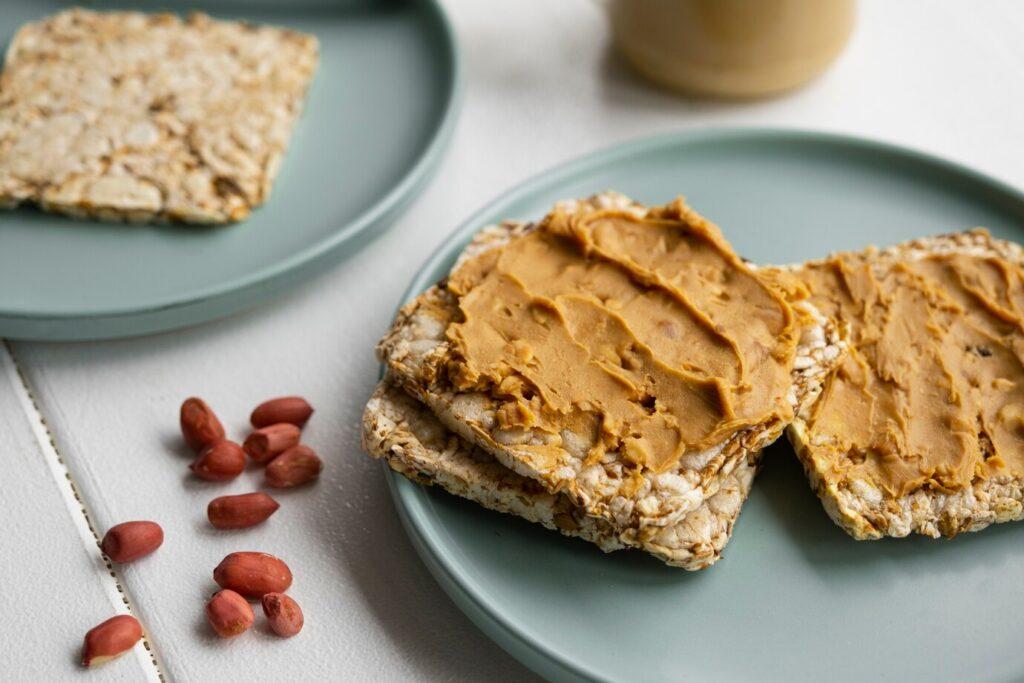
Spread almond or peanut butter on apple slices for a sweet and satisfying snack. Each serving provides around 7 grams of protein and healthy fats.


Transformational Benefit: The combination of protein and healthy fats in nut butter with apples offers a balanced energy boost, helping you stay focused and active throughout the day without the mid-afternoon slump.


2. Roasted Chickpeas


Roasted chickpeas provide 7.5 grams of protein per half-cup serving. They’re a crunchy, plant-based snack that’s also rich in fiber and low in calories.


Transformational Benefit: Roasted chickpeas enhance digestive health and provide a sustained energy release, helping you stay full and energized without the guilt of excess calories.


3. Tuna

With 9 grams of protein per serving, tuna is both convenient and nutritious. Plus, it’s rich in Omega-3 fatty acids, which help reduce inflammation and support heart health.


Transformational Benefit: Incorporating tuna into your snacks boosts your intake of essential fatty acids, promoting overall heart health and aiding in muscle recovery post-workout.


4. Hard-Boiled Eggs


Eggs are incredibly versatile and nutrient-dense. Each hard-boiled egg provides 6 grams of protein and can keep you satisfied between meals.


Transformational Benefit: Hard-boiled eggs are a portable and efficient way to increase your protein intake, supporting muscle maintenance and providing essential vitamins and minerals that enhance overall health.


5. Cottage Cheese


With 14 grams of protein per half-cup, cottage cheese is a great snack on its own or paired with fruit. It’s rich in calcium and helps promote muscle recovery.


Transformational Benefit: Cottage cheese not only aids in muscle repair but also supports bone health, making it a dual-benefit snack that contributes to overall physical strength and resilience.


6. Edamame


Edamame are young soybeans, typically steamed or boiled. They offer about 17 grams of protein per cup and are rich in fiber and essential nutrients.


Transformational Benefit: Edamame is a plant-based protein source that supports muscle growth while providing fiber for digestive health. They are also low in calories, making them an excellent snack for weight management.


7. Hummus with Veggies


Hummus is a creamy, protein-rich dip made from chickpeas. Pair it with sliced vegetables like carrots, cucumbers, or bell peppers for a nutritious snack.


Transformational Benefit: This snack combines protein with fiber and vitamins, enhancing your immune system and keeping your blood sugar levels stable, which aids in sustained energy and reduced cravings.


8. Sliced Cheese with Whole-Grain Crackers


Pair your favorite cheese with whole-grain crackers for a delicious and protein-rich snack. One slice of cheese typically contains about 6 grams of protein.


Transformational Benefit: This snack provides a balanced mix of protein, fiber, and healthy fats, supporting muscle maintenance and keeping hunger at bay, which helps in maintaining a healthy weight.


9. Handful of Almonds


Almonds are a convenient snack with 6 grams of protein per ounce. They also offer healthy fats and vitamin E, making them well-rounded.


Transformational Benefit: Almonds support heart health and provide sustained energy, making them an ideal snack for maintaining focus and stamina throughout your day.


10. Turkey Roll-Ups


Turkey breast is a lean, high-protein option. Roll it up with some cream cheese and cucumber slices for a simple snack packed with about 5 grams of protein per roll.


Transformational Benefit: These roll-ups provide a balanced mix of protein and veggies, helping you stay full and nourished between meals. They’re perfect for maintaining muscle mass and keeping your energy levels steady throughout the day.


Final Takeaway


Incorporating these 10 high-protein snacks into your daily routine is a surefire way to support your muscle-building efforts and overall health. These snacks not only provide the necessary protein to repair and grow your muscles but also offer a range of other health benefits that transform your lifestyle. By choosing protein-rich options, you’ll experience increased energy levels, better muscle recovery, and improved appetite control, making it easier to stick to your fitness goals.


These snacks are easy to prepare, delicious, and versatile, fitting seamlessly into your busy schedule. Embrace these protein-rich options and watch as they propel you toward your fitness goals, enhancing both your physical and mental well-being.


Steroids4U.eu – Steroids4U.net – Steroids4U.to | Best EU Online Steroid Shop – Buy Steroids


pondelok 7. októbra 2024

How to Cut Calories Without Losing Muscle | Steroids4U.eu - Steroids4U.net - Steroids4U.to


Are you ready to achieve lean muscle gains and reduce body fat? To do this, focusing on nutrition is essential. While your workouts help build muscle, nutrition determines your body composition. Reducing calories can be the key to losing fat while maintaining muscle mass.


Let’s break down how you can achieve this balance.


What Are Calories and Why Do We Need Them?


To begin with, calories are the units of energy that fuel every bodily function. They come from the macronutrients in our food: protein, carbohydrates, and fats. Proteins and carbohydrates provide about 4 calories per gram, while fat provides 9 calories per gram.


Your body requires a specific number of calories to function properly. When you eat more than you burn, the excess is stored as fat. Conversely, consuming fewer calories than your body needs forces it to tap into fat stores for energy, resulting in weight loss. However, it’s important to cut calories carefully to avoid losing muscle mass while doing so.


Determining Your Calorie Needs


Every individual’s calorie needs are different, influenced by factors such as gender, weight, age, and activity level. As a general guideline, men need about 2,000 to 3,000 calories per day, and women require around 1,600 to 2,400 calories. If you’re a bodybuilder or fitness enthusiast, your needs can vary even more, depending on whether you’re in the bulking or cutting phase. For example, male bodybuilders may need 3,800 calories during bulking and 2,400 during cutting.


It’s important to find a balance where you are in a calorie deficit to burn fat, but still taking in enough calories to fuel your muscles and maintain your strength.

How to Reduce Calories Without Losing Muscle


When reducing calories, it’s important to do it in a way that allows you to maintain muscle mass while shedding fat. Here are five effective strategies, plus the transformational benefits you’ll experience as you make these changes.


1. Reduce Portion Sizes


One of the simplest ways to lower your calorie intake without sacrificing nutrition is by reducing portion sizes. You don’t need to eliminate the foods you love—just eat them in smaller quantities. Start by using smaller plates, which naturally lead to smaller servings, or measure your portions using your hands as a guide.


Transformational Benefit: By controlling portion sizes, you’ll still enjoy the foods you love, but with more control over your calorie intake. You’ll notice reduced bloating and more consistent energy levels throughout the day, allowing you to focus better during workouts and daily activities.


2. Swap High-Calorie Foods for Healthier Options


Rather than cutting out high-calorie foods altogether, swap them for nutrient-dense alternatives. For instance, replace sour cream with Greek yogurt, or use applesauce instead of butter when baking. These small changes can significantly lower your calorie intake without sacrificing flavor.


Transformational Benefit: Swapping out high-calorie foods for healthier options ensures you still get the satisfaction of eating delicious meals but with more nutrients and fewer empty calories. Over time, these choices will leave you feeling lighter, more energized, and better charged for your workout.


3. Limit High-Calorie Beverages


One of the biggest calorie culprits is often overlooked—sugary drinks. Sodas, energy drinks, and even certain coffee beverages can pack surprising amounts of calories, without offering any real nutritional value. Opt for water, herbal tea, or black coffee instead.


Transformational Benefit: By limiting high-calorie beverages, you’ll drastically cut unnecessary sugar from your diet, leading to better hydration, improved focus, and more consistent energy throughout the day. This will enhance your workout performance and reduce the likelihood of crashes from sugar highs.


4. Eat More Protein, Fiber, and Water-Rich Foods


Eating more protein and fiber-rich foods helps keep you full for longer and naturally reduces the amount of calories you consume. Protein also supports muscle maintenance, ensuring you lose fat, not muscle, as you cut calories.


Transformational Benefit: High-protein and fiber-rich foods stabilize your blood sugar, keeping your energy levels steady throughout the day. This means fewer cravings and overeating episodes, helping you stick to your goals while maintaining muscle mass. You’ll also notice improved digestion and a feeling of fullness, allowing you to stay on track without feeling food-deprived.


5. Prepare Meals at Home


Preparing meals at home gives you control over ingredients and portion sizes, allowing you to make smarter, healthier choices. Restaurant and takeout meals are often packed with hidden calories from added sugars and fats.


Transformational Benefit: Buying your food at a grocery store to prepare your home-cooked meals ensures fresh, whole foods without the extra calories from processed ingredients. You’ll feel more empowered in your health journey, knowing exactly what goes into your meals. Plus, cooking at home helps you establish better eating habits that can be maintained long-term, setting you up for lasting success.


6. Spread Out Protein Intake Throughout the Day


Consuming protein throughout the day, rather than in one or two large meals, helps support muscle maintenance during calorie reduction. Eating protein-rich foods at every meal stimulates muscle protein synthesis multiple times and is crucial for muscle retention in a calorie deficit.


Transformational Benefit: When you spread out protein intake, your body is continuously nourished, which helps keep your metabolism active and muscle mass preserved. This keeps you energized throughout the day, making it easier to stay productive and active, even while reducing calories.

7. Get Enough Sleep and Rest


Proper rest is crucial for muscle recovery and fat loss. When you’re sleep-deprived, your body releases more cortisol, a stress hormone that can lead to muscle breakdown and fat retention. You support optimal recovery and muscle preservation by getting 7-9 hours of quality sleep.


Transformational Benefit: Ensuring enough sleep means your body can efficiently repair itself, helping you feel refreshed and focused during the day. This leads to better workouts, improved mood, and a greater ability to stick with your health and fitness goals without feeling tired or stressed.


Conclusion: Transforming Your Health and Lifestyle by Reducing Calories


Reducing calorie intake without sacrificing muscle is key to building a lean, strong body. Focusing on practical strategies like controlling portion sizes, swapping high-calorie foods for healthier options, increasing protein intake, and ensuring proper rest will help maintain muscle mass while losing fat. 


When you take control of your nutrition, you’ll find yourself more energized, more confident, and more capable in every aspect of life. Imagine starting each day feeling lighter and more focused, tackling your workouts with newfound strength, and experiencing greater mental clarity throughout your workday. With these changes, you’ll reach your fitness goals and enjoy a healthier, more active lifestyle that is sustainable for years to come.


By making these small but impactful adjustments, you’re setting the foundation for long-term health. You’ll be able to lose fat while preserving muscle, improve your digestion, and maintain a balanced lifestyle that prioritizes your well-being. Whether you’re a seasoned athlete or just starting your fitness journey, reducing your calorie intake the right way is your gateway to achieving the lean, strong body you’ve always wanted.


Steroids4U.eu – Steroids4U.net – Steroids4U.to | Best EU Online Steroid Shop – Buy Steroids