štvrtok 15. októbra 2020

4 DIETS THAT CAN KILL YOU! AND AS SERIOUSLY? | Steroids4U.eu

 4 DIETS THAT CAN KILL YOU! AND AS SERIOUSLY?


While browsing the net, I came across the scary headline “4 worst diets: What are you at risk with? Sometimes it's about life! ”Published on a page that supposedly“ understands women ”. It was a typical thing like Woman and life and so on. That is, a slice that I find regularly at my mother's, although she always suffocates that she has never read it. Which is funny, but only until I find out that the bestial diets are the well-known carbohydrate waves, ketogenic diet, etc. that they will ruin their lives and health because they just read it. And what is written is given a basta.

So now it's time to deliver some ammunition to the other party. That's why I'm reprinting the original article and below it my opinion on why it's all nonsense.


We all want to lose weight and of course the ideal diet is one in which you do not have to limit yourself and at the same time you lose weight. But unfortunately, it doesn't work. And so we are looking for diets that are not only dysfunctional for a long time, but also sometimes life-threatening. Here are the four worst diets and their consequences.

1. Crazy diet - Ketogenic diet


This is the so-called protein diet. You will eat the whole protein and reduce carbohydrates to a minimum. The body thus enters the "ketosis" phase, when the body begins to burn fat due to a lack of sugars. It sounds good, especially if you are overweight, but ketosis is definitely not a beneficial condition for the body, it is a state of emergency. In this state of emergency, the pounds really go down, even very quickly, but especially through drainage caused by unnaturally low carbohydrate intake.

What are you at risk with?


First, prepare for permanent fatigue. She will become your best friend and definitely do not plan any sports activity while you are embarking on this diet. You just can't do it. What you probably won't like is that despite the higher protein intake, the proportion of muscle mass decreases, the body loses active body mass, which reduces basal metabolism. After the end of the diet, few people are able to gradually increase their intake of carbohydrates (pastries, side dishes, fruit), most people literally throw themselves on these foods, because they had to deny them for a long time, and guess who wins the whole line, but clearly that buddy yo-yo effect. While you lost active muscle mass during the diet, during the yo-yo effect you only regain fat. Your metabolism will slow down and each new diet will get worse and worse.

What is blabbering on and what is true:


We find a real pearl right in the sentence that says that you will lose weight due to dehydration caused by a lack of carbohydrates. Yes, carbohydrates bind water to each other, but the water in the body is held mainly by subcutaneous fat. Therefore, when bodybuilders are little outlined, they have fat in their subcutaneous tissue, they retain a thin film of water even when the water is handled really hard. The whole principle of the Ketogenic diet is that the body draws energy from fats and proteins, which is much more energy-intensive for it than energy intake from carbohydrates. The reason why someone is looking for a ketogenic diet is precisely in a slight slowdown in metabolism, when a person does not suffer so much from hunger and also enjoys somewhat more, because a fatter diet is delicious than a dry one without a pinch of fat. In other words, what is presented here as pure evil is precisely the advantage of Ketogenic diets, which are really very effective up to a certain point in time. At the same time, I have no idea what the author meant with the loss of muscle mass, but the ketogenic diet, on the other hand, is much friendlier to maintain muscle mass than other diets. Of course, provided you exercise. So it is possible that the original article probably does not envisage this shocking alternative.

2. Crazy diet - Carbohydrate waves


This diet became a hit overnight. What is it about? Simply put, the point is that you consume a different amount of carbohydrates every day, while the body is a little shocked and confused and it is forced to keep the metabolism still active. In addition, with this diet you get enough protein in your body so you don't lose muscle mass. Maybe that's why all bodybuilding fans failed en masse. What can discourage you is counting carbohydrates until you go crazy. You have to learn to read labels.

What are you at risk with?


With a significant reduction in carbohydrate intake in the diet, severe fatigue occurs, while with a higher carbohydrate intake, there may be a disproportionately high increase in sugar levels after a meal, which generally provokes inflammatory mechanisms in the body. If you have problems with blood sugar fluctuations, this diet should be taboo for you. This could easily lead to nausea, dizziness or hypoglycaemia. If you want to stick to carbohydrate wool, you should have it tailor-made by an expert. If you embark on them with a thirty-day challenge, then you can even ruin your health. With a poorly set diet, metabolism is disrupted, which can have very serious consequences for your health.

What is blabbering on and what is true:


If you have read the previous threat carefully, you have noticed that when you eat more protein on a ketogenic diet, your muscles fall, whereas you don't when you eat more protein in carbohydrate waves. This can only be explained by the fact that the author was on strong antidepressants at the time of writing. But what, that's a detail. Carbohydrate waves "are bad because metabolism is broken." Well, that's what it's all about. The principle of carbohydrate waves consists in intensive stimulation of metabolism in order to put its speed to the maximum. Then you will eat to burst and still lose weight. But don't worry, it doesn't go on indefinitely and it's also very easy to regulate. Just gradually add fats and "forbidden foods" and later you will achieve that your diet will be relatively loose, but will guarantee you a slim figure.

The truth is, you will be tired on low sugar days. It is also true that diabetics should definitely not keep low carbohydrate waves. But that's about it. The fact that carbohydrate waves in various modifications are used by most people engaged in fitness or bodybuilding (as the author rightly remarked) shows how effective and relatively manageable this diet is.

3. Crazy diet - Intermittent starvation


What can you imagine under this crazy term? It is about losing weight through intermittent starvation, when the phase of food intake alternates with the phase when you do not receive any energy or food. First you start starving for only one day, then two, three and some have reached a 6-week starvation program! It is quite clear to you that no reasonable person who needs energy for everyday life can handle this.

What are you at risk with?


Here, in the case of bad timing and not training the organism, it is literally about life. Initially, your body functions normally, without significant changes. After about three days, you feel tired, weak and nauseous. You also have to reckon with feelings of cold, headaches, or dizziness. Reportedly, after overcoming the 10th day of starvation, the mood will improve, you will get enough energy and you will feel reborn at all, we admit without torture that we simply did not manage. The biggest threat is the very return to a normal diet. If you start eating head on, then you run into real health problems, it can even be about life. For the same length of time that you have been starving, you have to keep the so-called a return diet, in which you start first with the intake of juices, then light meals and very slowly return to a normal diet. Otherwise you may have diarrhea, cramps, insane abdominal pain.

Uff, one day fast for us yes, thank you for a long time, we don't want to!

What is true and what was blabbering on:


Here we can finally agree. I don't see anything positive about the long-term starvation either. This is a bit closer to the Warrior Diet system, which paradoxically paradoxically uses to gain and grow muscle mass.


4. Crazy Diet - Diet 5: 2


Eat everything for five days, watch for two days, the 5: 2 diet advises. During the days when you will limit yourself in your diet, your energy intake should not exceed 500 kilocalories per day and the promised weight loss should be less than half a kilogram per day.

What are you at risk with?


Irregular diet slows down metabolism. If you solve problems with food, then this diet increases your risk of developing binge eating. You may feel tired, unfocused, stressed, may suffer from fluctuations in sugar levels, headaches. However, the biggest threat to this diet is mental eating disorders.

What is true and what was blabbering on.


Here it is obvious that the author simply did not understand the principle of carbohydrate waves. This is exactly the same. Not only do you work with carbs every day, but stay low for 5 days and high for two days. Because everyone will simply overeat. This is commonly used by bodybuilders, where they hold for 5-6 days and then "collapse" under a mountain of McDonald's packaging. The name Pig Day, or Piglet, was used for this. So why is it actually done? Well, this is again a well-known stimulation of metabolism. If you have a limited energy intake for 5 days, the body in fat stores will order to save energy, slow down metabolism and thus stop losing weight even with low calorie intake. But then a whirlwind of calories comes, the body tells itself the end of the crisis, we stop wallowing with energy, let go of the metabolism to full ceres. And you lose weight again. The only thing I would agree with is that 500 calories a day is too little and losing half a pound a day is too much. So just add on the food and it's OK.

In conclusion, with all the paragraphs, there is a line of bitterness that you will be tired, that you will be hungry here and there, and that if you cough up uncontrollably, you will be more fatty than before. Yes, that is undoubtedly true. Eating out is relatively fun, putting it back together again. It's the same as with debt. Borrowing money and then spinning it is undoubtedly more pleasant and less painful than paying it back. But if the slim line and solid body were such a simple thing, everyone would have it. And it doesn't. So if you want to look like your favorite fitness, get ready for a little self-sacrifice. If you take the whole effort as a lifestyle change, you have half won. Sure, it means regular activity, eating the right foods and a firm order for the rest of your life. But what seems like a disadvantage to you now is a huge benefit to life that you will appreciate very soon. No diet in the world can preserve form forever. Diet is a state where you get in shape and then maintain it in a looser regime. But that doesn't mean you end up with rice and get on hairy dumplings. I have been eating rice for 20 years and yes, the author is right, shit on it, my navel will grow and my moss will grow. But why on earth should I do that? What will offer me better?

utorok 13. októbra 2020

LOW-CARB VS. LOW-FAT: WHAT IS BETTER FOR WEIGHT LOSS? | Steroids4U.eu

 LOW-CARB VS. LOW-FAT: WHAT IS BETTER FOR WEIGHT LOSS?


With the colder autumn weather, many people feel relieved. The swimsuit season is over and finally the moment has come when we can wrap ourselves in sweaters and hide excess weights in our trousers. However, disappointment can occur the moment you find out that the sweater is no longer completely oversized, and the pants are also some tighter…

Regular summer barbecues supplemented with alcohol simply took their toll, so it was time to do something extra with pounds. But where to start?

First gag how to lose weight fast. At that moment, countless diets will jump on you and you do not know which one to try first. That is why in today's article we will take a closer look at two of them, namely the low-carb and low-fat diet. Finally, we reveal which diet is the most effective.

What about taking key macronutrients on a low-fat and low-carb diet?

1. Low-fat or low-fat diet

This is a eating style in which you try to reduce your fat intake as much as possible. The maximum fat intake that low-fat surveys usually work with is up to 20% of total daily energy intake. However, there are also studies that work with the concept of low-fat even if the fat intake is up to 30% of the total energy intake.

2. Low-carb or low-carbohydrate diet

This is a style of eating in which there is a certain restriction of carbohydrate intake in our diet. This type of diet can be divided into three stages according to the radicality of carbohydrate restriction.

Ketogenic diet with a very low carbohydrate content - the carbohydrate intake must either be in the range of 20-50 grams or make up less than 10% of a diet containing 2,000 kcal per day, regardless of whether you get into ketosis (a condition where the body gets most of its energy from fats, not carbohydrates).

Low carbohydrate diet - the intake of carbohydrates in the diet must be less than 130 grams per day or must be less than 26% of the total daily intake.

Moderate low-carbohydrate diet - carbohydrates make up 26-45% of total daily energy intake.


Low Carb Or Low Fat Diet: Which Is More Effective For Weight Loss?

A recent study by Dr. Gardner, which sought to compare the effects of low-carb and low-fat diets on body fat loss, addressed this "diet struggle."

His work excelled in that the respondents monitored the year, checked compliance with their prescribed intake of individual macronutrients, and also took into account the genotypes of participants (genetic equipment, which he assumed could affect the success of weight loss). In total, individuals were divided into 15 genotypes (5 low-fat, 9 low-carbohydrate and 1 neutral).

A total of 609 people (263 men and 346 women) without health problems participated in the study. These were randomly assigned to groups that consumed a low-carbohydrate or low-fat diet. Individual participants were 18-50 years old and their BMI ranged from 28-40, ie somewhere between overweight and grade 2 obesity.

The research team focused on:

change in the weight of the participants
relationship between diet type and genotype
the relationship between a particular diet and insulin secretion

What did the participants' diet look like?

During the first month, the researchers tried to get to know the study participants better. During this period, individuals followed their normal regime. They consumed their usual food and practiced as they had been used to until then.

For the next two months, the low-fat group received 20 grams of fat per day (strict low-fat diet) and the low-carb group received 20 grams of carbohydrates per day (ketogenic diet).

After two months, participants were asked to increase their intake of fats and carbohydrates to a minimum level that would be sustainable for them in the long run. The following month, the low-fat group consumed approximately 42 grams of fat per day and the low-carb group consumed less than 97 grams of carbohydrates per day.

Study participants did not have a clearly defined caloric intake, but were instructed to maximize vegetable intake, minimize the addition of added sugar, refined flour, and trans fats.

At the same time, participants were to focus on eating whole foods such as nuts, fruits, vegetables, seeds, legumes, etc., as they are rich in nutrients. They should also minimize industrially processed foods.

During the study, the researchers performed a total of 12 controls (so-called 24-hour dietary recall (24HR)), monitoring the participant's intake in the last 24 hours, and at the same time asked about specific foods and beverages consumed.

Adherence to eating habits was confirmed by changes in fats (lipids) in the blood that are specific to the diet.

In addition, participants underwent a glucose tolerance test during the study. This included measuring insulin concentration 30 minutes after consuming 75 g of glucose. In this way, the researchers tested how carbohydrate metabolism responds to diet. Alternatively, you can find more information about how insulin works in the body in Insulin sensitivity - how to increase it and prevent insulin resistance.

In order to monitor the changes, the researchers performed regular measurements at the beginning, in the 3rd, 6th and 12th month.

What results did the annual monitoring bring?

Average macronutrient intake and final weight loss
Type of diet Carbohydrate intake Fat intake Protein intake Weight loss
Low-fat 48% 29% 21% 5.3 kg
Low-carb 30% 45% 23% 6 kg
The difference in matched kilograms between the groups was only 0.7 kg, which the researchers did not consider to be a statistically significant difference.

The assumption that participants in the genotype group, which was supposed to help them lose weight, would achieve better results was not confirmed either.

Insulin secretion did not have a significant effect on weight loss either.

Significant differences between diets are not shown in other studies

Similar results were obtained by Dr. Hu and his team, who also focused on the connection between the mentioned diets (low-carb, low-fat) and weight loss. The research also lasted one year and involved 148 adults.

The low-carb group was supposed to eat less than 40 grams of carbohydrates a day.

In the low-fat group, fat was to account for less than 30% of total daily intake and less than 7% of intake was to come from saturated fats.

And the results? The low-carb group lost an average of 2.2 kg and 1.1% of body fat during the year, in addition, the group's muscle mass ratio increased by 1.3%. In the low-fat diet group, no changes were measured in terms of weight, body fat percentage or muscle. Again, these differences were not considered statistically significant.

Can we lose more on low-carb?

However, let's also look at studies that show statistically significant differences in weight loss between the low-carb and low-fat groups, in favor of greater weight loss on a low-carb diet.

We can first mention the research of Halyburton and her team. They examined the effectiveness of the two diets in a group of 93 obese people.

The study lasted 8 weeks.

Participants were divided into diet groups (low-carb or low-fat), both groups had lower caloric intake than they were used to, specifically consumed the same 6000 KJ.
After eight weeks, the low-carb group lost 7.8 kg and the low-fat group lost 6.4 kg.

The research team considered the differences to be statistically significant.
There was also a statistically significant difference in weight loss between the two diets with Daly and his team. He divided 102 people who had type 2 diabetes into two groups (again low-carb and low-fat), and at the same time reduced the size of the portions consumed.

The study lasted 3 months.

After three months, the low-carb group lost 3.55 kg and the low-fat group 0.92 kg.

The research team considered the differences to be statistically significant.

A key factor in the success of a low-carb diet

Some studies show significant differences between the low-fat and low-carb diets, while others are almost negligible. To make the devil know! However, one possible explanation is offered to help us uncover the work of Fostra and his team, who studied 63 adults for one year.

Participants were again divided into low-carb and low-fat groups.
The study lasted one year, but control measurements were taken at 3, 6 and 12 months.
After 6 months, the low-carb group lost 7% of its body weight, the low-fat group 3% of its body weight.

However, it should be mentioned that the statistically significant differences between the groups were only after three and six months, not after a year.

Could the duration of the diet affect the results?

It makes no sense to say that diet time is the only key factor influencing results. At first glance, however, it is clear from closer studies that statistically significant differences appeared only if the diet lasted a shorter time (up to half a year). There were no significant differences between groups in the one-year studies.

This short-term weight loss in a low-carb diet may be due to muscle glycogen depletion and increased water excretion. However, it is a matter of days, weeks at most. Then adaptations take place, when glycogen begins to be formed from non-saccharide sources. 

Thus, people who embark on a low-carb diet can enjoy weight loss after only a few days, but this is largely due to a lower percentage of water in the body and depleted glycogen stores, not fat loss. This loss can be as much as 2-3 kg. When switching to their standard carbohydrate intake, they then regain weight.

Don't underestimate protein intake

Whether you opt for low-carb, low-fat, or any other diet, never forget to get enough protein, which should most often be in the range of 1.4-2 g / kg body weight. 

If you are trying to lose weight, it is desirable to stick to the previously recommended upper limit. The reason may be, for example, the high thermal effect of proteins. In the long run, however, it can also affect the success of low-carb or low-fat diets.

How does the thermal effect work?

The thermal effect is the energy that our body must expend during the digestion and metabolism of a given macronutrient.

Carbohydrate TEF: 5-10%

Fat TEF: 0-3%
TEF protein: 15-30%

You can also read more about how the thermal effect works in the article Negative calories - a myth or an ideal way to lose weight?

Now, on a sample intake of 2000 kcal for a person weighing 70 kg (let's call him Jožko, for example), we will show how big a difference the dietary intake of carbohydrates and fats can play with a constant protein intake per year.

For all macronutrients we will work with the average value of the thermal effect: protein 22.5%, carbohydrates 7.5%, fat 1.5%. In both cases, we will expect a protein intake of 1.8 g / kg TH.

1. Low-carb diet

In this case, Jožko divided macronutrients as follows: B 126 g (504 kcal), S 100 g (400 kcal), T 122 g (1,098 kcal).

For the year Jožko is:

45,990 g of protein (183,960 kcal), burns 41,391 kcal with the thermal effect

36,500 g of carbohydrates (146,000 kcal) burns 10,950 kcal with a thermal effect

44,530 g of fat (400,770 kcal), burns 6,012 kcal with the thermal effect

The total annual thermal effect on a low-carb diet is in our case 58 353 kcal, which corresponds to the burning of approximately 7.6 kg of pure fat.

2. Low-fat diet

In this case, Jožko divided macronutrients as follows: B 126 g (504 kcal), S 300 g (1200 kcal), T 33 g (297 kcal).

For the year Jožko is:

45,990 g of protein (183,960 kcal), burns 41,391 kcal with the thermal effect

109,500 g of carbohydrates (438,000 kcal), with a thermal effect burns 32,850 kcal

12,045 g of fat (108,405 kcal), burns 1626 kcal with the thermal effect

The total annual thermal effect on a low-fat diet is in our case 75 867 kcal, which corresponds to the burning of approximately 9.85 kg of pure fat.

From the above calculations, the difference in thermal effect between low-carb and low-fat diets can be seen at first glance, in favor of low-fat diets. However, the question remains to what extent these results would be influenced by other factors. Despite the fact that such low fat intake can disrupt the hormonal environment in both men and women. Therefore, a more sensible solution is to ensure a sufficient intake of protein, because these have the highest thermal effect, and eat a diet that will suit you in the long run.

If you don't know how to supplement protein, you can help with whey protein, for example, or get inspired by our article on protein sources.

What diet is best for weight loss?

If we are to talk about which way of eating is the most effective, the universal answer is offered. It is the one that will be sustainable for you in the long run. When someone is a lover of pastries, pasta and rice, low-carb eating is unlikely to be optimal for them. If you are attracted to low-carb by the idea that you will lose weight fast, always keep in mind that the body first gets rid of water due to depleted muscle glycogen. If you have 2 kg less after three days on a low-carb diet, you have certainly not lost 2 kg of fat, but you are guaranteed to lose 2 kg of water.

If you have decided that you want to lose a few pounds after the summer, we recommend that you start by setting a sufficient protein intake, which can approach the upper recommended limit (2 g / kg TH). At the same time, keep in mind that you will not deceive the income-expenditure equation. If you stick to a caloric deficit, it's up to you how you play with carbohydrate and fat intake. However, always set their ratio so that weight loss is pleasant for you and you do not have to completely deny yourself all the foods you like. This is the only way you can achieve your dream goals.

nedeľa 11. októbra 2020

COLLAGEN IN PROTEIN SUPPLEMENTS: HOW IS IT OWN? | Steroids4U.eu

 COLLAGEN IN PROTEIN SUPPLEMENTS: HOW IS IT OWN?


Collagen is an insoluble protein that accounts for up to one-third of the total protein in the human body. It is found in several tissues of the body, such as bones, tendons and ligaments, and is a major component of connective and extracellular tissue. To sum it up, it is the most abundant protein not only in humans, but in the animal kingdom as a whole. 

However, this is not the only uniqueness of this protein - it is the oldest discovered protein. It was found in the soft tissue of the fossilized bone of the Tyrannosaurus Rex, which was up to 68 million years old. Of course, collagen is not just one universal and there are several types of collagen.

Kolagén účinný na kĺby

Types of collagen

Like other proteins, collagen consists of amino acids. Collagen is interesting in that the triple helix structure of its molecule arises from the unusual abundance of glycine, proline and hydroxyproline. Modern science has identified up to 28 types of collagen in vertebrates, but types I, II and III in the body represent up to 80-90%.

There are several types of collagen and although their structures are different, their purpose is the same - to help tissues manage their "stretching". Different types of collagen occur in different "parts" of the human, so it is not harmful to imagine the site of action of at least sites I, II and II. type:

Type I - skin, bones, tendons, ligaments, dentin, interstitial tissues
II. type - cartilage, glassy humor
III. type - skin, muscles, blood vessels


Druhy kolagénu

Collagen and its deficiency

Let's start with the "bad" news and then we'll just make it better. The natural loss of collagen affects us all, because its production decreases with age. On the other hand, with our lifestyle we can still "help" it. Our body makes collagen on its own, but its production in the skin decreases by about 1% every year. If you think that this process begins in the 70s or 50s, we will probably surprise you, because the loss of creation occurs after the 20s.

Nedostatok kolagénu spôsobuje vrásky
As we have already mentioned, in addition to the natural reduction of collagen content, we also contribute to its loss by lifestyle. Negative factors include:

Increased carbohydrate intake - sugar has a negative effect on collagen and its ability to repair.
Smoking - has a negative effect due to the nicotine content, but also the content of other chemicals.
Increased exposure to sunlight - not so much the sun as ultraviolet radiation causes collagen to break down.
Autoimmune diseases - certain immune disorders can cause our immune system, more specifically antibodies, to "focus" on collagen.
 

Sources of collagen

Collagen is produced naturally in the body, but its level can be increased in the form of diet and nutritional supplements. By consuming certain foods, you get important nutrients that are important for collagen, including vitamin C, vitamin A, copper or proline. Vitamin A is found in animal products, but also in the form of beta cationene in plant sources. Vitamin C is present in a wide range of vegetables and fruits, such as citrus, pepper or strawberries. Proline can be found in meat, cheese or egg whites. Copper is also important, which you supplement with the consumption of red meat or shellfish.

Zdroje kolagénu
Are you looking for a practical and concentrated source of collagen? In addition to broth, meat, eggs or fruits and vegetables, you can also increase collagen levels by taking supplements. You can find them on the market, for example, as beauty drinks for women, or separately in the form of hydrolyzed collagen, sea collagen capsules, complex joint nutrition, RTD drink or shots.

Benefits of using collagen

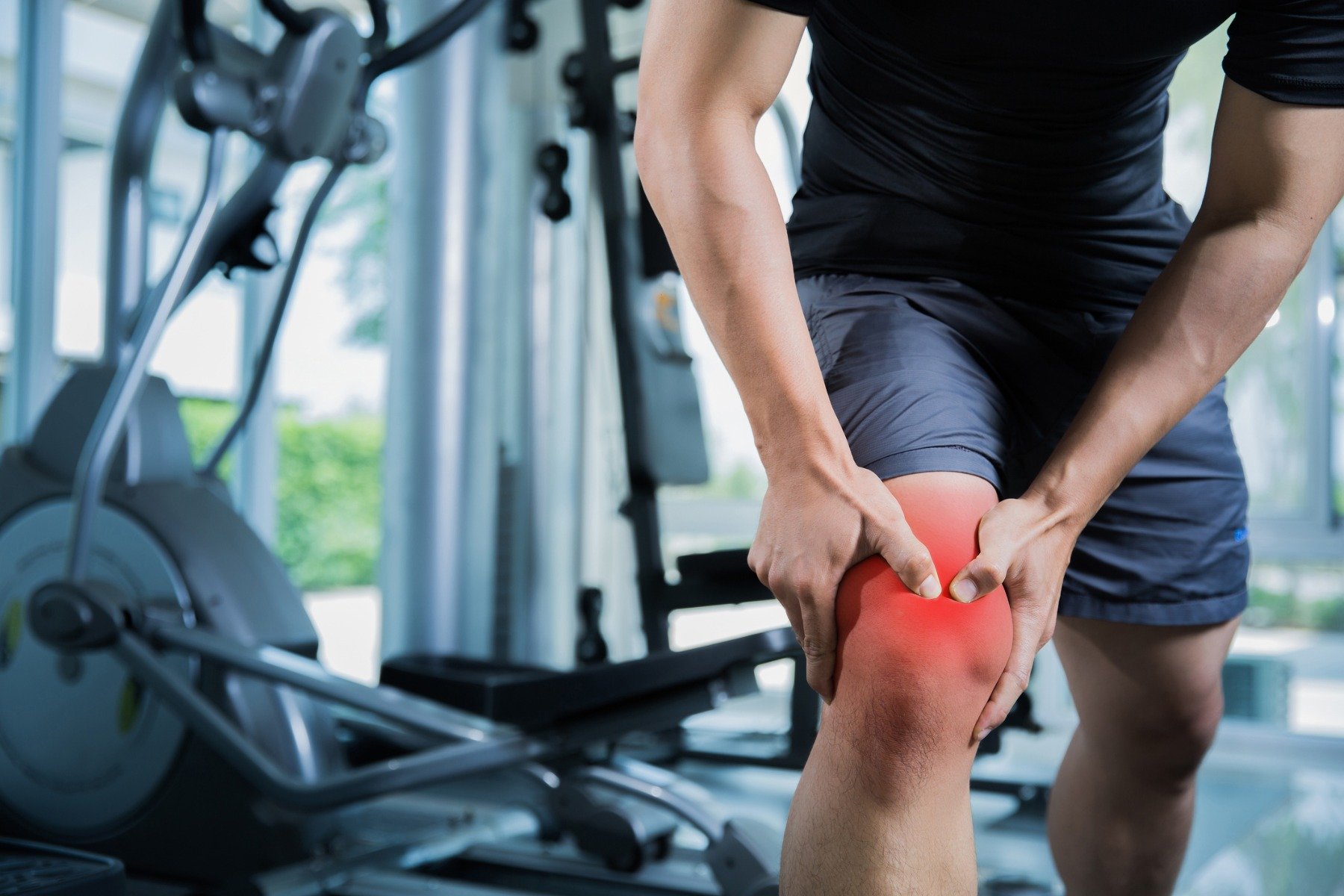
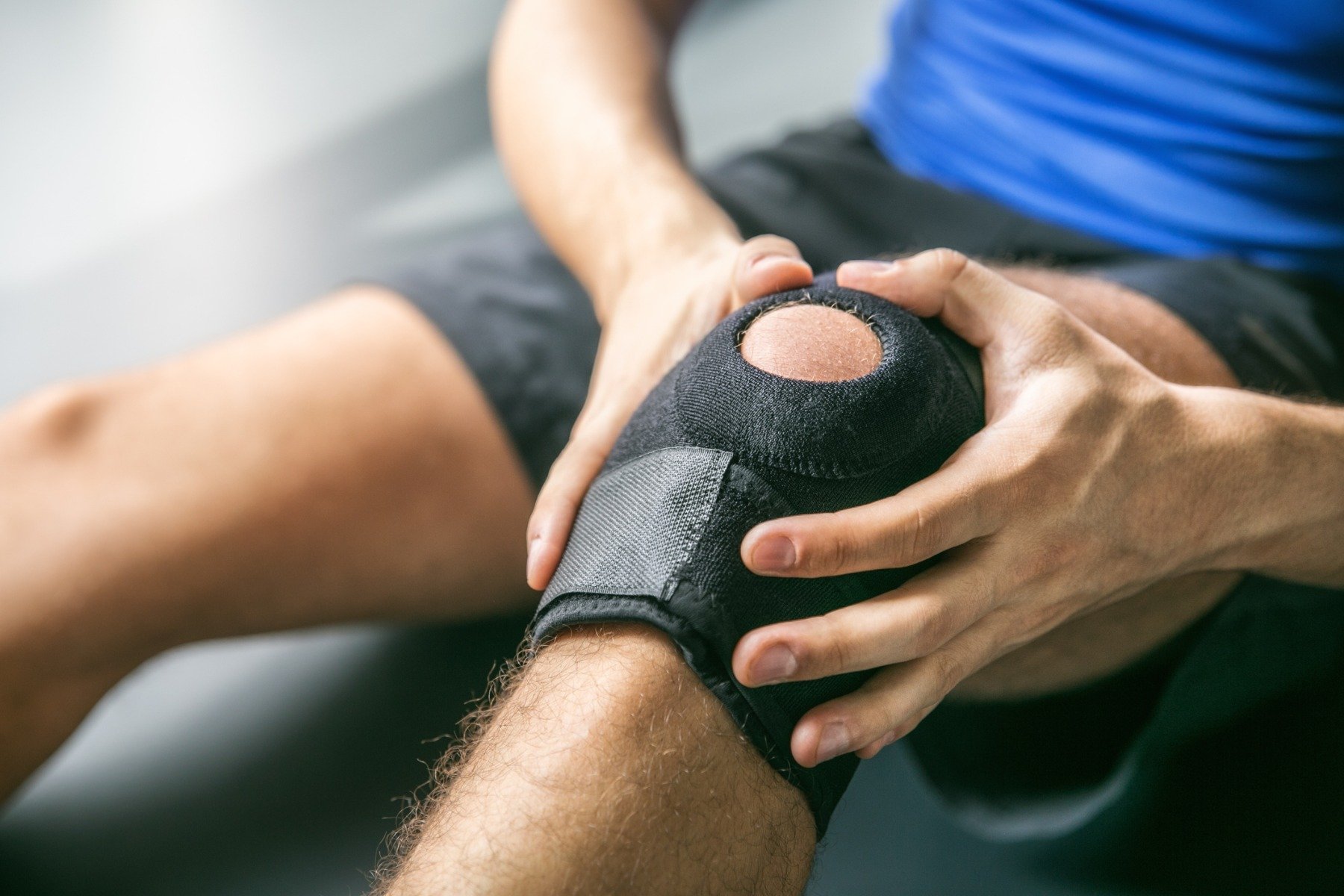
It helps with joint pain - collagen is one of the dominant components of connective tissues and the importance of its supplementation has also been proven by research. According to research from 2012, collagen supplementation is important for athletes in reducing pain and other parameters that limit athletic performance. In addition, there are studies with positive results in osteoarthritis and osteoporosis. According to research from 2006 (Bello, Oesser) and 2016 (Porfírio, Fanaro), collagen has the potential to improve these conditions. A daily intake of collagen at the level of 12 g showed a significant improvement in the symptoms of osteoporosis and osteoarthritis.

Kolagén zmierňuje bolesti kĺbov
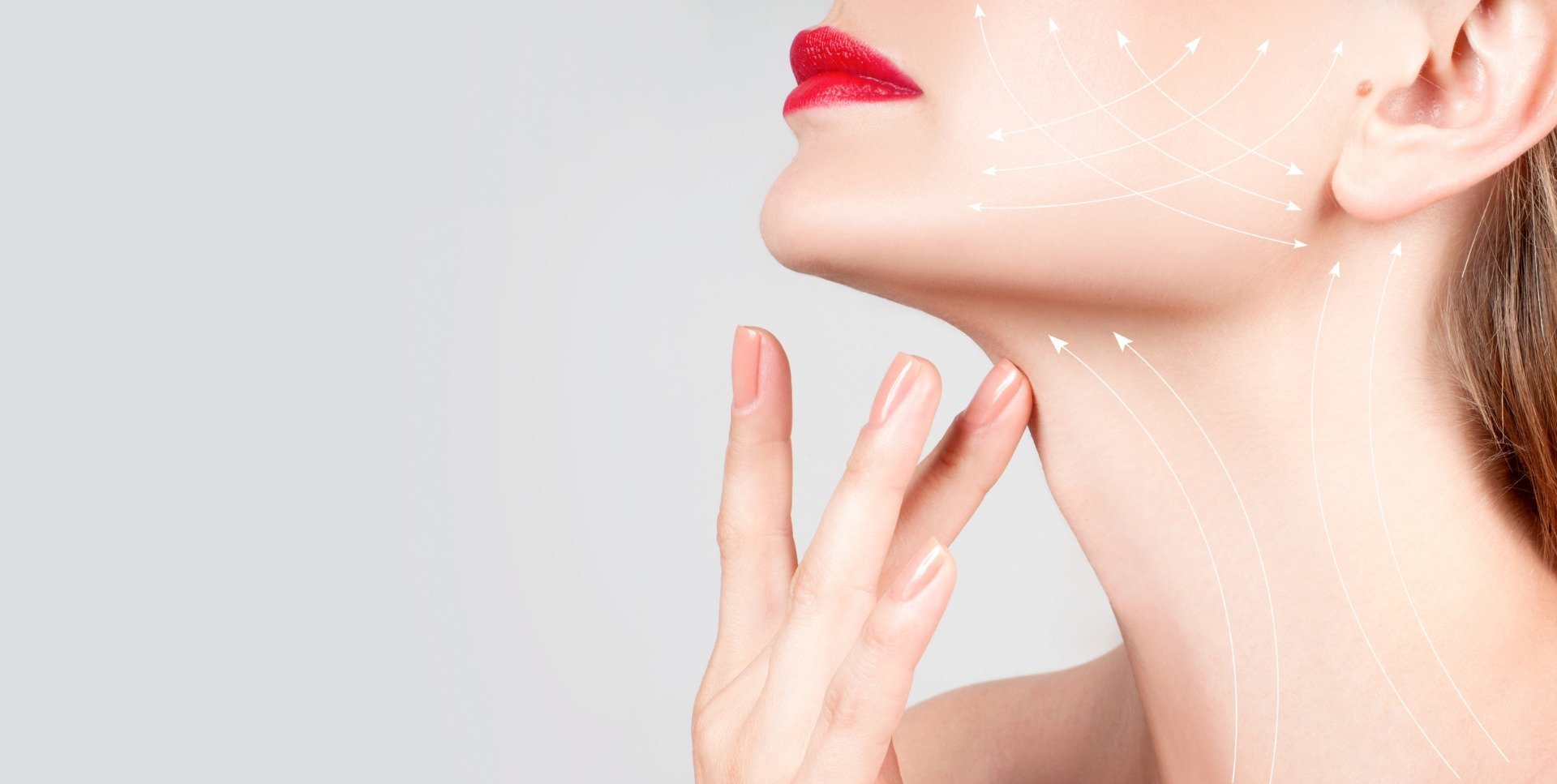
It supports the health of the skin - in addition to the joints, it is also important for the skin, and its beneficial effects are also confirmed by the results of scientific studies. One example is a study from 2013 (Proksch, Schunck, Zague, Segger), which points to a positive effect of collagen supplementation to reduce wrinkles.

It helps build muscle mass - its use is also important for older people with sarcopenia (a disease associated with muscle reduction). This is evidenced by a study that looked at 53 elderly men with the disease. In the end, it was found that the use of collagen had a positive effect on strength and muscle growth.

Other benefits of collagen - Scientific studies have shown several other benefits of collagen for the human body. It is beneficial in inflammatory diseases of the digestive tract, prevention of stretch marks and cellulite, support of healthy nails and weight control.

Amino acid content in collagen and protein

What is amino spiking?

The amino acid content of the protein is also associated with the term "amino spiking", which in a way is related to this topic. If you haven't heard of it yet, you'll probably be surprised and maybe start watching the product composition more closely. So-called amino spiking is a method of increasing the protein content of protein supplements. This is probably due to competition between companies and rising protein prices. But what is it about? 

Amino spiking is a method in which cheaper amino acids, such as glycine and taurine, are added to a protein. The aim is to increase the nitrogen content for the fictitious protein content. In addition to the mentioned amino acids, you may find that creatine or other nitrogen-containing substances are also added. The purpose is to increase the nitrogen content, which increases the percentage of protein. At first glance, this may not seem undesirable, but the opposite is true.

You may have just thought - more amino acids, more muscle fuel. However, amino spiking is not something you should desire.

Protein intake is mainly about the essential amino acids that the body needs to build muscle and cannot build them itself. Although the amino acids taurine and glycine have positive effects, they do not stimulate muscle protein synthesis very well, and with arginine and glutamine they are known as - partly essential. In translation, this means that your body knows how to create them, so by using "soldered" proteins, you receive something that your body can "handle" itself. In addition, as a customer, you look at the protein content and compare it with the price - it may seem to you that it is a quality and cheap product. Unfortunately, the opposite is true, you bought a cheap product, but with a considerable content of not so many desired ingredients.

Another "dirty method" regarding bovine protein is that you do not find meat proteins in it, but collagen hydrolyzate from bovine bones, skin or tendons. As we have already mentioned, collagen is also a protein, so the product can be called bovine protein. Does that sound absurd to you?

Try to imagine adding additional amino acids to the product for a more interesting protein content and amino acid profile. A fantastic product is in the world and you may think it is made of beef. How do you come up with this "hoax"?

If you remember, in the previous chapters, you will find that collagen has a different amino acid content and a higher proportion of glycine, proline and hydroxyproline. It is the high proportion of the three amino acids and alanine that may reveal this. The meat has significantly fewer of them, and you may notice this when checking the amino acid content of the protein. For comparison, we present the proportion of these amino acids in meat and collagen:

Collagen (percentage) Meat (percentage)
Alanine 10.9% 6.25%
Glycine 32.9% 6.26%
Hydroxyproline 9.5% 1.08%
Proline 12.6% 4.9%
 

Amino spiking certainly does not apply to every second protein on the market, but it is possible that you will encounter it when buying proteins. Therefore, check the composition for extra taurine, glycine or creatine and do not settle for just the percentage of protein on the front of the pack. In addition, note that in addition to glycine, you do not have suspiciously rich levels of alanine, proline and hydroxyproline in bovine protein. Yes, this may mean that you are actually consuming collagen instead of protein. However, if you are looking for a source of collagen for joints and cartilage, buy honest collagen and quality protein for amino acids from protein. Are you demanding on your body? Also be on the fuel you feed it.


In this article, we introduced you to collagen, its health benefits, and we also looked at why amino acids are artificially added to protein supplements. Remember that it is useful to control not only the total protein content of the protein powder, but also the amount of certain amino acids to avoid amino spiking. We believe that you learned everything you need in the article about collagen and its importance not only for healthy joints.

štvrtok 8. októbra 2020

CAN FOOD AND FOOD CHOICE IMPROVE MOOD? | Steroids4U.eu

 CAN FOOD AND FOOD CHOICE IMPROVE MOOD?


What you eat really affects your mood. If you fill your body with the right substances, you will be rewarded for it in the form of a clear mind and a happy smile. See how you can get in a good mood by eating a healthy diet and choosing the right foods!

Are slimmer people happier?

Do you often come across the opinion that slimmer and more physically fit people are happier? You may be surprised that this is not a myth, and this statement is indeed true. People who choose a healthy and balanced diet are more resistant to disease, reduce the risk of depression, and recover more quickly from illness and injury. They also support better sleep and are better able to cope with stress. In addition, if people feel happier, they tend to choose healthier food alternatives.


On the contrary, overweight and obese people often suffer from a huge psychological problem, which is depression. They often feel tired, lethargic, dissatisfied with their figure, and this leads to depression or anxiety. Many times, therefore, they resort to unhealthy eating, which, however, is not filled by their physical but emotional hunger. They are most often inclined to unhealthy or high-calorie foods and sweets in a stressful situation. However, they have almost no nutritional value, so they do not contain any substances that promote a positive mood.

The brain as a trigger for a good mood

To fully understand how certain foods can improve your mood, you need to find out what's going on in your brain. It controls every single organ, hormone and even mood. The brain uses neurotransmitters to communicate with the body, using which it sends commands such as heart beating or breathing. A similar process occurs when determining good mood.


Two types of neurotransmitters are responsible for your moods: inhibitory and excitatory. Excitatory neurotransmitters, such as norepinephrine, actively stimulate the body and mind. However, they are more easily exhausted from the body, which can ultimately lead to feelings of unhappiness. Inhibitory neurotransmitters such as serotonin have a calming effect on the mind and partially eliminate the effects of excitatory neurotransmitters. So you will reach the ideal mood if there is a balance between these two types of neurotransmitters.

However, mood-affecting neurotransmitters do not just form the brain. Like all processes in the body, the brain needs food fuel to make them. Foods that help produce the hormone "happiness" of serotonin include spinach, turkey, and bananas. Spinach contains high concentrations of folate and vitamin B, which are important in the production of serotonin. Bananas and turkey meat, in turn, contain a lot of tryptophan, an amino acid that is converted to serotonin in the brain.

Another important neurotransmitter that helps regulate and stabilize good mood is gamma-aminobutyric acid (GABA). GABA is produced during the Krebs cycle, a physiological process in which nutrients are converted into energy important for cellular use. However, you will not find gamma-aminobutyric acid in any food, but a substance it contains to a large extent. Its main building block is the amino acid l-glutamine. It is found in pork or beef or various types of seeds.

Vitamins, minerals and beneficial substances supporting good mood

Not only the neurotransmitters but also the nutrients you receive are responsible for improving your mood. You should pay particular attention to the optimal supplementation of certain vitamins, minerals and beneficial substances that have a positive effect on the body's health. 

Magnesium

Several studies declare that people suffering from depression have low levels of magnesium. This is because magnesium has been shown to help increase amitriptyline and sertraline, which act as antidepressants. Magnesium supplementation is not difficult at all. You can easily find it in foods such as bananas, leafy vegetables, nuts, seeds, avocados and hot chocolate. In addition, you can easily supplement it, for example with refreshing effervescent tablets.

Zinc

Although such zinc does not in itself have an antidepressant effect, it increases the effectiveness of the antidepressant components of other foods and supplements. This is confirmed by a study examining the mood-enhancing effects of zinc in people suffering from clinical depression. In combination with antidepressant supplementation, patients achieved a significant improvement in mood. You can find zinc in almost all kinds of meat, eggs, legumes or oysters. 

Vitamin D

It's no secret that many people lose their good spirits during the winter or dry season. This is also greatly influenced by the low dose of sunlight, which produces vitamin D on contact with human skin. It plays an important role in several cognitive processes, and mood is no exception. To avoid the unpleasant autumn depression, you should ensure that your body has enough of it. You can achieve this with the right supplementation, but you will also find vitamin D in foods such as fish, nuts or mushrooms. However, it is recommended that you take approximately 2000 IU of vitamin D daily.


Iron

Iron deficiency in the body is directly associated with problems with sleep or sleep. Women suffer from this problem in particular during menstruation, when iron stores are flushed out of their bodies along with the blood. Insufficient or unsatisfactory sleep is often associated with a bad mood. In addition, the lack of iron in the blood also causes restless legs syndrome, in which people feel that they have to move their legs constantly. This syndrome also makes it difficult to fall asleep and induces an unpleasant mood during the day. Iron-rich foods include liver, nuts, hot chocolate, beef and lamb, beans, whole grains, and dark leafy vegetables.

Omega-3 fatty acids

Omega-3 fatty acids play an important role in brain health. Therefore, it is not surprising that they are particularly beneficial in terms of improving symptoms of depression, cognitive function and overall mood. You can easily find them in fatty fish such as mackerel, salmon or herring. They are also found in nuts and seeds such as almonds, walnuts, chia seeds or flax seeds. However, supplementation with fish oil, which is very rich in several types of healthy fats, proved to be the best. Seaweed oil can also be a great alternative for vegetarians or vegans.

Vitamin E

As with iron, vitamin E deficiency causes restless legs syndrome. Its regular replenishment thus eliminates this unpleasant problem and thus facilitates falling asleep. Studies have also shown that it can help alleviate hot flashes and night sweats in menopausal women, improving their sleep quality. It is found in many foods, including dark leafy vegetables, nuts, seeds, fish and fruits.

B vitamins

Research suggests that adequate levels of vitamins B3, B5, B6, B9 and B12 regulate the level of tryptophan in the body, helping it to produce serotonin and melatonin to ensure good sleep and mood. You can easily supplement them with fruits and vegetables, nuts or seeds, but it is best to supplement them with the B-complex product. This will ensure optimal intake of all types of B vitamins.

Healthy sleep = good mood

As we mentioned above, sleep itself is often responsible for a good mood. If you do not have enough of it or its quality is very low, it can have a negative effect on you. Not only a bad mood, but also depression, feelings of anxiety or chronic stress can bother you. Fortunately, there is a solution to this problem too! Try to take the following substances and ensure an undisturbed and quality sleep.


Tryptophan

Tryprofan is an essential amino acid that is needed for the normal growth of infants and for nitrogen balance in adults. However, the body primarily uses it to produce niacin, melatonin and serotonin. In particular, the last 2 mentioned substances are extremely important for inducing good sleep. Therefore, if you want to be in a good mood, you should consider taking more tryptophan, as the body cannot make it on its own. You can find it in foods such as turkey, cheese, seeds, nuts, fish and oats.

Valerian

Valeriana is a medicinal herb whose root is used to make a medicinal extract. The substances contained in the root help with problems with sleep, anxiety or mental stress. These include valeric acid, isovaleric acid and various antioxidants. It acquires particularly exceptional properties when interacting with GABA. Valeric acid has been found to inhibit the degradation of GABA in the brain, leading to feelings of peace and tranquility.

Chamomile

Chamomile (Matricaria recutita or Chamomilla recutita) is an herb that has been used in medicine for centuries for its relaxing and calming effect. It is most often given in the form of tea or other leached extract. Its calming effects can be attributed to an antioxidant called apigenin, which binds to specific receptors in the brain. These can reduce feelings of anxiety or initiate sleep.

Melatonin

Melatonin, a hormone naturally produced in the body, helps determine regular and healthy sleep and wake cycles. Its levels usually rise just in the evening, remain high during the night and fall early in the morning. Melatonin is found in meat, cereals, fruits and vegetables. It is also available as a nutritional supplement that is used to treat jet lag and insomnia. If you want to know even more about this hormone, don't hesitate to read our article Melatonin - does it really improve sleep and help you fall asleep ?.

Adaptogens for stress reduction

Stress is considered to be the biggest cause of bad mood. It can negatively affect several processes in the body and cause unpleasant health problems. Its elimination is therefore really important. Supplementing adaptogenic components can also help you in this, which will turn one joy with stress. Among the most available are extracts from Pink Stonecrop and Ashwaganda. A daily dose of 50 mg of Rhodiola rosea has been shown to be effective in combating daily fatigue and stress. Ashwagandha supplementation at 300 to 500 mg per day had a similar effect. It is recommended for morning consumption as a preventive preparation for a stressful day.


Thus, it is indeed clear that certain substances and foods containing them have a strong effect on mood regulation. Therefore, it may seem that eating only foods full of nutrients that affect brain chemistry is the best way to achieve a good mood. Of course, everything needs to be taken in moderation, so your diet should also consist of a healthy balance of food to achieve a good mood. Therefore, incorporate mood-promoting foods into your diet, but don't forget about the foods you love. Eating well is one of the most important factors that will make you happy.

Foods that will improve your mood

the fish
bitter chocolate
fermented foods
bananas
eggs
nuts and seeds
legumes
berries
fruits and vegetables (several species)
leafy vegetables

The best nutritional supplements to improve mood

vitamins and minerals
healthy fats
5-HTP
melatonin
tryptophan
GABA
valerian
teanín
ashwagandha
rhodiola rosea

utorok 6. októbra 2020

MACHINES MAKE MUSCLE | Steroids4U.eu

 MACHINES MAKE MUSCLE


Not only large dumbbells and one-handed arms can help you get a perfect figure and big muscles. But there are also machines that you should try if you are serious about building muscle. In today's article, we will introduce you to eight exercises on machines that you should try. If you do not have one of the machines in the gym, do not despair, there is always a variant of the exercise with a barbell or one-handed arms. However, if there are these machines in your gym, definitely do not hesitate and include them in your training.


Bodybuilders constantly discuss the benefits of training and dumbbells versus on machines. Years ago, it may have seemed that this problem would be solved, but when modern machines and technologies came on the scene, we were where we were. The structure and construction of today's fitness machines will allow you to take advantage of a number of benefits, in addition to maintaining safety. If you do not have a training partner, you can safely use a variety of intensity-enhancing techniques that will allow you to train your muscles until you are exhausted. Most bodybuilders crave mass, now realizing that there is no need to turn their backs on machines at all costs. It's more about when and how you include these exercises in your training. While the basic dumbbells and one-handed arms of modern technology cannot improve in any way, the machines have come a long way in recent years. The first strengthening devices saw the light of day in the 1950s. It was a very simple and imperfect machine. Today, we find fully electrified systems that perfectly simulate dumbbell exercises. It often loads an even better quality muscle in a given, individual force curve. New, modern machines are safer, more efficient and allow smoother movement than their predecessors. In this article, we focus on machines that allow you to perform basic volume exercises. Of course, you will be based on how equipped the gym is, where you go to work out. If you are still hesitant to include machines in your training, you may be convinced by the fact that many professional athletes regularly include exercises on machines. These exercises are definitely suitable for the end of training, when you no longer have so much energy. You start training with dumbbells and at the end you switch to machines - you are already tired and thanks to the machines you will not have to worry so much about maintaining balance. The devices allow you to maintain tension in the muscles and better isolate the area. You can go to the stop without a training partner and you may find that you spend more of yourself than when exercising with dumbbells.

WHEN MACHINES ARE BETTER… 


It is not possible to draw clear conclusions about whether machines are better than dumbbells or vice versa. The fact remains that machines have the upper hand only in precisely defined circumstances. Bodybuilders train on machines for many reasons, and here are some examples of the benefits machines can offer you.

1. they are safer when you train alone If you have ever held a really heavy barbell over your chest and tried to handle the last repetition of the bench press, then you know how important it is to have a training partner with you. Even lifting the barbell from the stand or placing it there can be a problem. And if you don't have a training partner, the devices allow you to train your muscles to exhaustion without risking injury unnecessarily.

2. quick load adjustment Many devices are easy to adjust. You select the load only by inserting the pin into the correct place in the stand. So if you are in a hurry, then just exercising on machines will help you manage your training in minimal time and at the same time you will reach the required intensity.

3. Proper biomechanics When exercising with dumbbells, you need to deal with maintaining balance and carefully control the path of the dumbbells. This can be difficult especially for beginners who are just learning to perform the exercises. For machines, the biomechanics of movement is predetermined - along with it mostly the position of the body, so from many points of view it is better to practice first performing exercises on devices and only then go to the dumbbells.

4. Allow experienced athletes to handle higher loads While most bodybuilders trained with dumbbells early in their careers, many later switched to equipment (especially at the end of training) because the stabilizing muscles are easily depleted and you can lose control of them. Even then, it is possible to use a high load, but thanks to the machines you will only concentrate on lifting the weight - then problems with balance will be eliminated.

5. help with rehabilitation after injury When exercising with dumbbells, muscles and connective tissues work with more vigor. It is more difficult for them to stabilize a joint that has been injured in the past. Machines, on the other hand, significantly reduce the load on the joint, because movement is limited and in most cases you exercise safer on the machine and load the muscles in a targeted manner without an increased risk of excessive damage.

6. increase the intensity of training On the machines you can use a number of techniques that significantly increase the intensity, whether it is a drop series (reducing the load within one series), force repetitions (some devices for performing chest pressures have a special option to adjust assistance during concentric phase of movement, the load then partially pushes the legs to help tired muscles), repetitions in the partial range of motion (first you practice repetitions in the full range of motion, then you do several repetitions in a shorter range of motion) and negative repetitions (you put down a very high load, but under relatively safe conditions). You can also include the technique of rest pauses - you will exercise on the device until you are exhausted, then you will rest for 10 seconds, perform several repetitions with the same weight, again a 10 second pause. You will include a total of three rest breaks. But all this only during the last series. You would hardly achieve such intensity when exercising with dumbbells.

7. Maintaining a constant tension in the muscle When you reach the upper phase during some dumbbell exercises (arms, strokes on the Scott bench with EZ bar), the tension in the muscle decreases. When exercising on machines, however, this reduction does not occur, because the load is not affected by gravity. The muscle load is the same regardless of the phase of movement.

AND WHEN MACHINES ARE NOT BETTER… 


Although you have many good reasons to exercise on machines, dumbbells also have their undeniable advantages in many ways. 

1. Suit different body types 
The machines are made for individuals of average dimensions. Of course, you can adjust them in various ways and adjust them to your needs with regard to height, length of limbs, etc. But it may happen that some machines will simply never suit you. If you cannot adjust the machine comfortably, you bring your joints and other parts of your body into vulnerable positions. It is not good if you have to adapt your path to the machine.

2. Concentrate on all aspects of the movement 
On most machines, you push or pull the load in one direction, leading to incomplete muscle loading. When exercising with a barbell, you need to maintain balance, set direction, and engage helpful muscle structures. Simply put, the situation needs to be controlled more. Some newer machines are already quite accommodating to athletes, but you will never get as much freedom on them as when exercising with dumbbells.

3. increase of stabilizing activity 
The machines dictate the direction of your movement and the result is that the body cannot work as if you are exercising with a barbell and you have to pay attention to the correct design, maintaining balance, etc. On machines, the involvement of auxiliary muscles (abdomen, lower back) is usually reduced. So there is less muscle stimulation overall and logically you burn less calories with such exercise.

4. Use in other sports and everyday activities 
It is important to realize that if you do some movement in the gym on the device or in everyday life, the body is not involved in the same way. There is a risk of loss of balance during sports activities, the device cannot simulate something like this. You can fully rely on the device, but even that brings its positives and negatives. It is not good to rely on devices in all circumstances, they cannot replace the stimuli from everyday life.

5. Insufficient strengthening of connective tissues 
The advantage of exercising on devices can be that it saves sore joints. But if you do not have problems with joints, then it is easy to find a situation where you want to strengthen connective tissues - tendons and ligaments. Dumbbells can help you do this much better. Connective tissues become significantly more involved when you exercise with a free load, and strong ligaments and tendons are absolutely necessary for building muscle mass.

6. practical for home gyms 
If you exercise at home, you have a chance to get dumbbells much easier than machines. At least to the financial side. If you think of quality machines, you get into completely different financial dimensions. - which is usually a basic factor in setting up a home gym.

HOW TO USE THE MACHINES CORRECTLY? 


Exercising on devices can be very beneficial for a bodybuilder. But it is necessary to know how to use the machines correctly and under what circumstances. If you decide to do some exercise on the machine, we have 3 basic tips for you to maximize its effectiveness.

1. Set up the device first 
Many machines are differently adjustable with regard to body type, limb length, etc. The chances are that the person who trained before you looked like you is minimal. You will therefore first need to adjust the machine to your own parameters. Only then can you start exercising with a higher weight. So take your starting position at first and try the exercise with a light load to make sure everything is in order.

2. Do not put a load on one series 
If you put a load on a series, the tension in the muscles will be reduced immediately, thus reducing the quality of the results achieved. Therefore, make sure that the device is set so that the muscles are under tension, especially during the stretching phase.

3. Do your best 
When exercising on machines, it may seem easier to do the exercises, but that doesn't mean you should make less effort. Just because you don't have to take into account the balance with the barbell or dumbbells, don't rest on your laurels. Even when exercising on machines, you can effectively load the muscles. The truth remains that the most effective and efficient combination of training with dumbbells on machines seems to be the most effective and efficient. You should not exaggerate either variant. You will do much better if you find a suitable compromise and you will successfully use both offered training methods. To make it easier for you to include exercises on machines, we bring you a description from every single exercise on the machine in the game.

THIGH - LEG PRESS 
Why is it so great? Because it allows you to exercise with a large load without having to deal with a high weight held on your back (squats). It does not even require increased attention to the correct position of the spine, which is often a problem during exercises with a heavy barbell. In addition, a lot of people squat back when squatting, which strains the lower part of the spine. By changing the position of the feet, you can engage different parts of the thighs. If you place the feet higher on the platform, engage the buttocks and hamstrings, the feet on which the platform will allow the load to be transferred to the thighs. When exercising on a machine, you can focus on the negative phase of the movement. Exercise slowly and often include repetitions in the partial (middle) range of motion, which will greatly maintain tension in the muscles. In addition to changing the position of your feet during each workout, you can also exercise each leg separately.

HAMSTRINGS - BORING IN A SEAT 
Virtually everyone performs lying on hamstrings. However, this exercise is not so common, so it offers the muscles the much-needed change. When burying while sitting, you will engage a lot of internal hamstrings. If you want to focus even more on the work of the inner hamstrings, twist the tips together. The leg should be bent at a right angle in the ankle during exercise. You may tend to lift your hips from the bench while burying yourself - but such cheating is not possible with this version of the exercise. While sitting, you will better maintain tension in the muscles and you will also be able to concentrate more on practicing hamstrings. Stay at the moment of contraction for two seconds and moving down should take you four seconds. Another technique is popular among professionals - first to practice one leg, then the other and then a series on both legs at the same time. The training will gain in variety and you can train your muscles really hard.

TRICEPSY - EVERYTHING CRANKS 
Virtually all triceps exercises require the movement of one joint - only the elbow. This basic exercise is no exception, but you will involve more muscle fibers and allow you to achieve stronger contractions (bench press with a narrow grip and handles on the benches are two more exercises, but they are not performed on the machine, so they do not fit into today's article). When making the cranks while sitting, you can handle a relatively large load, which is a big difference compared to pulling the pulley or French pressure. As with the bars on the parallel bars, keep your elbows close to your body to maintain tension in your triceps - do not allow your elbows to move away from your torso. If you like pre-exhaustion, start by pulling the pulley with a rope to warm the triceps and make the muscle as blood as possible. Don't practice fast. In the upper phase, stop the movement and tightly tighten the muscles even in the lower position. You can also change the position of the palms, sometimes bring them closer, sometimes further away from the body to stimulate the muscles in various ways.

SHOULDERS - SHOULDER PRESSURES 
Pressures are undoubtedly the best exercise for building shoulder volume. However, the version with a barbell also has its downsides. When exercising with one-armed arms, you must pay attention to balance and even to the moment when the muscles are exhausted - after all, you hold the barbell directly over your head. When exercising with a large barbell, there is often a problem with removing the barbell from the stand and returning it again. From this point of view, the exercise on the machine seems to be ideal. You can change the backrest setting so that your arms are more in front of your body (this better insulates the front head of the deltoid muscle). Or, conversely, leave your arms slightly behind (to mimic the pressure version with a barbell behind your head). The latter exercise focuses more on the middle and back deltas and reduces the involvement of the pectoral muscles. In pre-exhausting training, you can place this exercise in second place after tightening. Then it reappears at the end of the exercise. To really exhaust the deltas, include a few series until exhaustion in the middle range of motion - do not stretch your arms completely - this will maintain tension in the muscles.

BICEPS - SCOTT BENCH LIFTS 
There aren't many biceps exercises to choose from. But this one emphasizes the short head of the muscle, which is very important. By pumping this muscle, you build the top of the biceps. It is possible to practice each hand separately, independently, so that you can correct any imbalance in the development of strength and matter. It is also easier to concentrate on exercising individual arms. Keep your elbows in line with your shoulders and wrists - do not turn them out. First try to exercise with both hands at once and then do the exercise with each arm separately. With your free hand, you can help when muscle exhaustion is approaching. But you should only help yourself to handle one or two extra repetitions. Then rotate your hands.

CHEST - PRESSES HEAD DOWN 
Down exercising with one arm or a large barbell lying upside down is very demanding and of course also dangerous. If you should perform any pressure exercise exclusively on the machine, then this one. And even multipressing is not ideal - if you have the opportunity, then definitely prefer the device. If you keep the handles as far away from the body as possible, you will exercise the outer part of the pectoral muscles. It is similar to the pressures with a large barbell with a wide grip, in which you also focus mainly on the outer part of the chest. If you take a narrower grip, the load will pass to the inner pectoral muscles and to the lower part, if you keep the handles as far away from the body as possible, you will exercise the outer part of the pectoral muscles. It is relatively difficult to insulate the lower part of the chest with dumbbells, but you can do much better on the machine. However, you must keep the deltoid muscles still and push your shoulders down. When exercising on the machine, you can easily change the grip - the position of the palms, which changes the angle of load on the muscles. You can also try the variant where you hold the handles with a lighter weight so that your thumbs are next to the other fingers and not against them - you may feel that your pectoral muscles are taking up more.

BACK - ATTACHMENTS 
You can take advantage of high loads without putting too much strain on the lower back (which usually occurs when exercising with a large barbell - tilting in the forward bend, pulling with a T-axis). Most devices also allow you to take a neutral grip or overhang, which puts more strain on your muscles. Push the chest into the armrest and make sure that the arms rotate forward in the outstretched arms phase and in the opposite phase push the shoulders together. You can try many gripping methods. Keep a certain pace of training during training. Pull the load towards you for one second, stay in the moment of contraction for two seconds, and it should take you a full four seconds to move back. When exercising on a machine, you can't rely so much on helpful body movements, body position simply won't allow you to. The result is better muscle insulation and less strain on the lower back.

ABDOMEN - SHORTCUTS 
Machines have one big advantage over exercises performed with their own body weight - they allow you to overload your muscles with a suitably chosen weight. You can train on them with a focus on strength (low number of repetitions) and endurance (higher number of repetitions). The device for performing shorteners, on which the feet are stabilized, is great for training the upper part of the abdomen, which creates the famous waltz. Exercise slowly! Gradually engage the abdominal area. This is not an exercise that involves speed - focus more on slow, controlled repetitions. If you are not trying to build the volume of your abdominal muscles, you can stimulate them with lighter weights and perform more repetitions. Exercise slowly, strictly and strongly clench your muscles. Always remain in the contraction phase for a while.

nedeľa 4. októbra 2020

Give yourself, but limit, or completely erase from your life the foods for which you have a weakness? | Steroids4U.eu

 Give yourself, but limit, or completely erase from your life the foods for which you have a weakness?


Peanut butter or chocolate. Even such foods are "problematic" for many. They simply succumb to them very easily and resisting them is very, very and again, very problematic. You may already have a strategy for dealing with such things, but research has tried to come up with the best way. Was anything specific found?

Probably the best known strategy is to avoid them, not have them at home. However, this in turn can lead to that black-and-white approach, which often results in less success in the long run. Then we have something from flexible eating, so you have such meals / groceries at home, you also put them here and there, count in your income and you are fine. However, not everyone can do this, even if this flexible approach is combined with long-term success.


The worst part is that almost all similar foods have a high energy density. Energy density is the amount of energy per unit weight or volume of a food. In other words, energy-density foods / meals are those that are light but high in calories. On the contrary, foods with low energy density provide us with more food at the cost of low calories. Imagine a chocolate bar. A typical example of a food with a high caloric density. You eat her for 3 bites and she eats a good dose of calories from your intake. And of course, they are hyperpalatable, so they're pretty good, which makes us "addicted" to them.

The research ranged from 20 to 65 years. 81% of them were obese, 19% were overweight. They were part of an annual study on portion control, in which researchers divided women into three categories:

Ordinary advice - get info to eat less and incorporate more "healthy" things into the diet
Portions - had trained practice regarding the energy density of meals and also had weight available
Specified portions - based on the study, I do not know exactly, but they probably received instructions to focus on meals where 1 portion is listed, plus they received a voucher for the main course in terms of one portion

None of the groups received instructions on how to deal with problematic meals. However, they met in person with a nutritionist for dietary consultations. During that year, of course, they were weighed and had to fill out a questionnaire about problem meals here and there. Thanks to him, they had to identify them and identify what they were doing so that they could control themselves. In the questionnaire, they also asked about the most problematic dishes, which the fact that they can't resist, sort different dishes according to how much weakness they have for them, and so on.


What was found?

Most people had an average of 6.5 problem meals. After a year, it dropped to 5.2. This may mean that just ordinary general consultations (not direct advice) with an expert can help a little. So if you have a problem, we will be happy to help you through our online coaching :)

On average, people who dieted more often in the past had higher hunger and even more problematic meals. Most dishes had a higher energy density, which we mentioned in the introduction to the article (sweet baked goods, savory snacks, chocolate, candies and ice cream. More specifically, they were mostly different types of ice cream, chips, classic chocolate, cookies, but also pizza.

The most used strategy was not to have such meals at home and not to buy them. Furthermore, it was eating a smaller amount to satisfy and limit the amount. The least used strategy was to use some social support, ie family, friends or colleagues at work, to help a little in terms of psychology. It is interesting that at the end of the study, ie after a year, the method in the form of portion limitation was the most used. Women who worked this way also had the best values ​​for weight loss. On average, the women who used the portion reduction strategy lost about 7.2 kg and the women who used the least strategy lost only 3.8 kg.


The methods changed, of course, with women trying what worked and what didn't, but only the portion limiting method was significantly linked to weight loss in all three groups. Thus, the study tells us that in terms of long-term success in weight loss, a better strategy is to limit portions than to completely eradicate problem foods.

It has also been shown that women who have difficulty controlling portions would benefit from pre-prepared meals. In practice, this means that weighing food and tracking calories is important (no surprise, huh?), But also that boxing can help such people (either their own, but have a real knowledge of income and track it, or use an external company, which you tell how many calories you want and they will prepare your meals). Another interesting fact is that those women who were only told to eat less and simply eat less problematic meals lost weight, but the weight loss was the worst for this group. It is likely that such a group will overeat and ignorance of portions and calories will prevent them from performing better.

It should be added, however, that we can each work a little differently. Some are able to have chocolate in the cupboard and limit portions, someone simply eats it whole and can't control it. It is very individual and this research does not give us a clear position, it may only lead to a more effective method in general. And what about you, do you have any goodies of the time or do you avoid similar foods in the store already?


štvrtok 1. októbra 2020

Is milk really healthy and suitable for everyone? You should know this! | Steroids4U.eu

 Is milk really healthy and suitable for everyone? You should know this!


Drinking milk and consuming dairy products are undoubtedly very important for children, because they are a source of nutrients for their proper development. And what about us adults? Do we have to, should we, should we not or do we not have to drink milk? Is milk and its products just an appetizer for us? Read in the article whether drinking milk is healthy even for adults, what it contains and much more information.

What is milk?

If you are worried that we will start with a school description of a white opaque liquid, then you are wrong. But in essence, this is not a bad question. What are you willing to consider milk? Is it exclusively an animal product or would you include "nut juice" among the milk? At this point, you must have begun to think about what actually belongs to the category of milk. This is not a philosophical question. If we have standards for the content of tomatoes in a product so that it can be called ketchup, is it similar to milk?


Of course, both the United States and the European Union have directives on milk and dairy products. Rather, we find that this issue was addressed by Scott Gottlieb, Commissioner of the FDA (Food and Drug Administration). He said that among the standards is a reference to the animal in lactation, which is a problem because almonds do not have lactate. He even warned that labeling non-dairy products with milk could have health consequences.

Milk is one of the most popular drinks on our continent, which is great because, in addition to its delicious taste, it is also a source of nutrients. However, if we take it from the beginning, milk in the animal kingdom is the product of the mammary glands of mammals, which feed the young with milk until they can eat a solid diet. Humans are also mammals, which probably does not need to be mentioned. However, the topic of the article is also related to this, milk is needed for children, but should we, "older mammals", also drink it?

Nutrients in milk

Cow's milk is the predominant type of milk in the world and represents 83% of total production. Milk is part of the diet of about 6 billion people in the world. It is a great source of energy, protein, amino acids, but also minerals and vitamins. The nutrient content of milk is wide and can be divided into several categories:

Proteins - whey and casein

Carbohydrates - mostly lactose
Fats - including mono- and polyunsaturated fats (omega-3 and -6 fatty acids)
Vitamins - A, D, E, K, B1, B2, B3, B6, B12, folic and pantothenic acid, betaine and choline
Minerals - calcium, magnesium, phosphorus, potassium, sodium, zinc, selenium, iron

Protein - milk is considered a high quality source of protein, and milk protein can be divided into 2 basic categories [4] [9] [28]:

Casein - represents about 80% of the protein in milk. One of the properties of casein is its ability to increase the absorption of calcium and phosphorus.

Whey protein - about 20% of the protein in milk. It is a group of globular proteins, the majority of which are alpha- and beta-lactoglobulin, and those in the whey represent about 70-80%. The added value is the content of branched chain amino acids - BCAA. In addition, whey protein is one of the most popular sources of protein in the world of nutritional supplements. However, whey proteins are also important for immunity. 10% of whey protein is represented by immunoglobulins that neutralize viruses and bacteria and stimulate immune cells. Whey protein is a source of the amino acid - glutamine, more precisely it contains about 30%. Glutamine in the body acts as a "fuel" for the immune system.

Different types of milk differ in their nutrient content. Therefore, for a better overview, you will find specific values in the tables taken from the milkfacts.info portal, which is a compilation compiled according to the nutrient database of the United States Department of Agriculture (USDA Nutrient database). In the first table you will find essential nutrients, vitamins and minerals. As amino acid intake is important for athletes and physically active people, the second table shows the content of selected amino acids. The nutrient content is indicated on probably the most typical measure of milk - 1 cup (244 g).

Advantages and disadvantages of milk consumption

In addition to a great source of nutrients, which include proteins, vitamins and minerals, there are other benefits associated with drinking milk.

Milk and healthy bones

One of the key benefits of drinking milk is associated with bone health. This is due to the content of calcium, vitamins D and K, potassium, phosphorus and protein. We have up to 99% of calcium in our bones and teeth. The calcium content in the diet is important for children for the development, density and strength of bones, but also for the prevention of bone loss in the elderly. In addition, research has shown that milk consumption is associated with the prevention of periodontal disease. Calcium is important, but not all research agrees.

An example is the 2019 study, which concludes that increased intake of milk or dairy products is not associated with a lower risk of hip fracture or osteoporosis.

Other research (Feskanich, Bischoff-Ferrari, Frazier, Willett, 2014) states that adult men had a higher risk of hip fracture in adulthood, which was associated with higher milk intake. In particular, each additional cup of milk daily during adolescence increased the mentioned risk of fractures by 9%. On the other hand, a study conducted on adolescent girls (Sonneville, Gordon, Kocher, Pierce, Ramappa, Field, 2012) reports different results. He concludes that vitamin D intake reduced the risk of fractures in adolescent girls with high levels of high-impact activity. He also mentions that the intake of calcium and dairy products was not associated with the risk of fractures.

Milk and heart

Consumption of milk and dairy products is not only important for bones, but also for the heart due to its potassium content. Higher potassium intake and at the same time sodium reduction can lower blood pressure. However, it is necessary to drink milk in moderation, because it also contains cholesterol and saturated fats, which in turn increases the risk of heart disease.


Various studies are associated with milk. According to some studies, milk can be harmful to the heart. However, a 2014 study examined up to 18 observational studies, and found that dairy intake did not contribute to cardiovascular disease or death.

Thanks to potassium, milk is beneficial, but you need to be careful about saturated fats in it. Too much saturated fat is as "bad" for the heart as too many refined carbohydrates.

Anti-depression milk

Of course, milk is not a panacea, thanks to which you will get rid of the famous "black dog" after a glass of milk. On the other hand, it is true that enough vitamin D has a positive effect on the production of serotonin, which also affects, for example, human mood. So that you don't think we only connect biological processes, the links between depression and vitamin D in 2020 were also addressed by scientists Menon, Kar, Suthar and Nebhinani. Enriching the treatment of depression with vitamin D in people with vitamin D deficiency seems to be a potential benefit.

Are dairy products healthy?

How much milk a day is too much?

As we have already mentioned in previous chapters, milk is rich in nutrients, but at the same time it also contains saturated fats, and with their intake one should definitely not exaggerate. But what does it mean that we should not exaggerate?


One criterion is set out in a report from the 2018 Congress of the European Society of Cardiology. The report was based on 20 studies and, as a result, found no link between heart disease and the consumption of most dairy products. However, there is one exception that poses a risk. According to the results, the consumption of high doses of milk, more precisely almost a liter per day, is associated with a higher risk of cardiovascular disease. At the same time, it is true that the American Heart Association (AHA) recommends that adults focus on low-fat or fat-free dairy products. Milk lovers are probably disappointed, but if you are no longer a child, try to approach milk in moderation. 

Yogurts - Are They Really Healthy?

Definitely yes, yogurts are a nutritionally interesting component of the diet, but not all yogurts can be called healthy. The reasons are added flavors and sugar. You will often find dozens of yoghurts on store shelves, but how do you choose the right one? Here are some tips for you when choosing the right yogurt:

Read what's on the package - the nutrition chart and the composition of the yogurt can give you a detailed picture of what is hidden under the lid. You will find the content of fat, carbohydrates and proteins, as well as the proportion of calcium or vitamin D. The composition also includes, for example, the addition of added sugars, which you should probably avoid in a healthy lifestyle.

Full fat or low fat? - If you are calorie-intensive, try to focus on low-fat products, but be careful with them as well. They may contain added sugar as compensation for fat. Just check it on the yogurt label. On the other hand, full-fat yogurts may not be a complete "evil". You can find healthy fats in them, such as conjugated linoleic acid (CLA), which is beneficial for our body.

As for yogurt, then with "living" cultures - probiotic bacteria are literally "living" organisms that are important for the microflora in our intestines. You've probably heard of them from various ads that often point to the content of beneficial bacteria. Therefore, if you feel that your digestion would need some help, choose yogurt containing probiotic bacteria. In addition, the taste of such yogurt is hot because the bacteria in the yogurt convert lactose to lactic acid.


Health and cheese

Are you one of those people who would not be able to give up cheese? In that case, you are definitely interested in whether you do not "spoil" a healthy lifestyle by consuming them. One separate article could be written about cheeses, so in this subchapter we will summarize 2 important tips related to cheeses and health.

Pay attention to the fat content - as with milk, cheeses can be a proper source of fat, even saturated fat - which should be taken care of. Do you adore cheddar? It is excellent, but 28 grams of cheddar can contain up to 6 grams of saturated fat and 120 calories.

Cheese and salt - another substance you will find in cheeses is the sodium content. Too much salt in the diet is a problem, so try to find sodium in addition to calories and fats on the label and compare several types for the right choice. This is because some cheeses may have a low sodium content.

Milk alternatives

Milk is commonly available and also popular, but a large part of the population cannot or does not want to consume it. Whether you have lactose intolerance, are vegans, or have an ethical problem with consuming animal products, there is a solution for you. In addition to conventional animal milk, there are also "alternatives" on the market - plant substitutes. These include various types of milk made from almonds, coconuts or rice. They differ in their taste and nutrient content.

Who should avoid drinking milk?

It's a little sad to say, but milk is not suitable for everyone. If you find yourself among the points in this chapter, avoid drinking milk or replace it with another drink.

People with lactose intolerance - Lactose intolerance is a relatively common health problem associated with the problem of digesting lactose. While milk allergy is very rare, up to 75% of the world's population suffers from intolerance. It affects the people of Asia and South America the most.

Its frequent manifestations are indigestion, such as flatulence, convulsions, or diarrhea. In case of suspicion, it is certainly best to seek professional help, as the doctor is the best to diagnose this problem. Do you suffer from lactose intolerance? Don't despair, you can still consume, for example, yoghurts with probiotics, or hard cheeses, which usually do not contain lactose. Lactase enzyme supplementation is also helpful for people with lactose intolerance. This is because lactose intolerance occurs with low lactase production in the body. For more people with intolerance, problems occur with higher amounts of milk sugar and may take smaller doses of lactose (about 55-115 g). Taking lactase as a nutritional supplement can help prevent bloating, stomach upset or diarrhea. 

People who have difficulty drinking milk - it may seem the same as with lactose intolerance, but even after a negative intolerance test you may have problems drinking milk. Stomach problems can occur, but you may also experience malaise and even congestion. If you experience any of these symptoms, be aware that they may not be explicitly lactose intolerant. To confirm, visit your doctor, or try to exclude dairy products for a while and evaluate for yourself whether you feel better.

The third category of people who have problems with milk and dairy products are those who simply do not like it. Perhaps your parents have very strongly explained to you that drinking milk is a "must". If you have remorse and are literally overweight for calcium, you better choose products and forms of dairy foods that you do not mind. Try to taste the milk, or find a cheese that you "enjoy". Are you worried about calcium levels? You can supplement it with leafy vegetables, legumes, or in the form of nutritional supplements.

Finally, some interesting facts about milk:

Milk also has its day, it is June 1 - World Milk Day.
India is the largest producer of milk.
Milk prevents additive and reduces stress and fatigue.
Milk is exceptional for the content of vitamin A, which is important for the skin and immunity.
It is a great source of vitamin B12, important for our nervous system.
In this article, we introduced you to the content of nutrients that you can take by consuming milk. There is a great deal of research into the health benefits of drinking milk, and our aim was to present the positive and negative findings of scientists. Whether you drink cow or almonds, have a little coffee, or drink a cup a day, we believe we have managed to expand your knowledge about milk.