nedeľa 21. novembra 2021

8 activities after each training | Steroids4U.eu

8 activities after each training
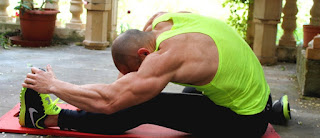

We bring you 8 basic activities that you should do after each training. These activities will help you regenerate your body better and faster after training, improve your immunity, increase your performance in sports and, last but not least, you will feel much better.

1 ALLOW THE BODY TO COOL

It is important to cool down once you have completed the last repetition or the last kilometer in your cardio workout. After each workout, whether strength or endurance, you should find 5 minutes to cool down. Your heart rate and body temperature will drop and your body will start to cool down automatically, but if you sit or lie you will most likely harden. It is very important to stop training properly, to be constantly on the move and to cool down slowly so that your body can begin to regenerate. For this reason, we recommend a light trot and car massage with various aids after training.

2 DRINK SUFFICIENT LIQUIDS

Remember to drink plenty of water or an ionic drink during training, as hydration is a key element of any workout. During training, you sweat a lot of fluids and lose a certain amount of minerals. The body has an elevated body temperature and must cool down. The cooling mechanism is the evaporation of body fluids. If the outside environment is low or dry, you may not feel sweaty. But you will still lose a certain amount of fluid with minerals. Dehydration and all its negative effects on the body are associated with some fluid loss. Overheating, dizziness, organ damage, convulsions, collapse, overtraining and many other dangerous effects on the body can occur. It is necessary to drink enough fluids during the day of training, during training, but also after it. We recommend the unique product The Edge from the company Reflex Nutrition, which with its composition helps hydrate the body, replenish lost minerals, restore lost glycogen stores, strengthen immunity and other processes.

3 DO A TRAINING AFTER TRAINING

As well as cooling down after training, it is very important to find an additional 5-10 minutes for stretching. Stretching is neglected by many people, which can shorten muscles and worsen the range of motion, which can result in injuries. If you're in a hurry, you can combine points 1 and 3, but be sure not to miss stretching. We recommend car massage as a suitable and very effective method for relaxing muscles after training. You can read more details about car massage in one of our articles: Get rid of the pain with a foam roller.

4 TAKE A SHOWER AND IMPROVE REGENERATION

After-work showering is not just a matter of hygiene. If you have had a hard workout and you are afraid of a subsequent muscle, we recommend combining a cold shower with a warm one. A cold shower alleviates inflammatory processes in the muscles and thus accelerates regeneration. Warm relaxes the body and muscle mass. It is important to alternate cold and hot water. In the case of a long-term cold shower or ice, a more effective alleviation of inflammatory processes is achieved. However, the disadvantage is the slowdown of adaptation processes in the body, which means that your body is less able to cope with the stimulus of training and there may not be an improvement in performance. This physiological problem can be solved by alternating a cold shower with a warm one. There is a great deal of scientific evidence for this method, which demonstrates the alleviation of inflammatory processes and at the same time a high adaptive response to training in the form of performance improvement.

Proteins and amino acids

5 DRINK PROTEIN DAY DAY AND AFTER TRAINING

Through exercise, we create microcracks in our muscle fibers. In the process of regeneration, when they are "repaired", it is necessary to supply the body with nutrients, especially proteins and amino acids. This mechanism of constant damage and renewal of muscle cells ensures strength improvement, hypertrophy - increase muscle mass and the like. The composition of our muscles is made of protein. They need the same building material to restore them. This is one of the reasons why so many exercisers carry a protein drink that they drink approx. 15 minutes after training. Here I would like to point out one very common mistake. Most exercisers drink protein only after training. The next day, when not training, they do not consume protein or receive protein from the diet. However, even on the second day, when you do not have to train, the body undergoes very complex regenerative processes to restore damaged muscle cells. Here you need to pay much more attention to the intake of protein drink 2-3 times a day. Recent research also points to the fact that it is much more important to drink a protein drink regularly during the day than just after training.

You can supplement protein from other, natural sources, but a protein shake is an effective way to supplement a sufficient amount of quality protein. In the case of the fastest possible post-workout intake - and in the case of post-workout proteins, the "The faster after a workout, the better" certainly applies. For this reason, I recommend rapidly absorbed proteins, namely whey "Whey Protein". A multi-component protein is suitable for protein intake during the day. Casein protein is the most suitable for supplementation and gradual release of amino acids during sleep.

Special proteins

Proteins are the best-selling nutritional supplement and today you can easily enjoy various specialties such as vegan protein, lactose-free protein, soy protein, vegetable protein, rice protein, a special protein for women - KetonDiet for weight adjustment, meat protein and the like. However, if a protein shake is not for you, get at least the second most important BCAA supplement - amino acids, which are the building blocks of protein. You can get BCAAs in various forms - in the form of tablets, capsules, instant powder, drinks or liquid disposables. We also pay attention to a very practical intake of proteins in the form of protein bars. You can read more about protein bars in one of our articles: The best protein bars.

6 RECORD YOUR PROGRESS

Whether you use the app or a regular notebook, simply write down your training indicators such as barbell weight, number of repetitions, number of sets, times. Tracking your progress will motivate you and is an effective way to prevent stagnation.

7 WEAR COMPRESSED TRAINING CLOTHING

Professional athletes use compression clothing as a key aspect of post-workout recovery. Compression clothing is designed to help you reduce toxins in your muscles, improve blood circulation and speed up regeneration.

8 PROVIDE A FOAM ROLLER FOAM MASSAGE CYLINDER

Yes, it hurts, but in the long run it will be of great benefit to you. Foam rolling works on the same principle as massage. Physiotherapists, trainers, and athletes use foam rollers to relieve muscle pain and stiffness (often called "adhesions," "nodules," or "pain points"). Classic foam rollers have a smooth surface while compressing soft fabric. Scrolling improves blood circulation and tissue elasticity.

The foam massage roller costs about as much as an hour of massage, can be used daily, is easily portable and will last you several years, so it is definitely a small investment that will pay you back many times over.


nedeľa 14. novembra 2021

Cardio weight training | Steroids4U.eu

 Cardio weight training


How to lose weight effectively through cardio training? The most common answer to this question is: do cardio exercise for a long time with low intensity. Unfortunately, this is not the most effective way. This is just a brief truth, but regardless of a few facts of this training. Increase the intensity of training and you will achieve efficient fat burning even after cardio training during regeneration.

What cardio training is effective for weight loss

The most important indicator of cardio training is the duration of the workload and the intensity of its performance. It is true that classical cardio training (aerobic load) is very ineffective for weight loss. The most effective cardio training is anaerobes, interval, HIIT (High Intensity Interval Training) and last but not least, strength or strength-endurance training. I recommend combining these types of loads in combination with proper nutrition and regeneration.

Energy expenditure during cardio exercise

It is true that carbohydrates (glycogen) are a ready and quality source of energy. In case the load is highly intensive, you also need a quality fuel, which is glycogen. At low load intensities, a lower-quality fuel, which is grease, is sufficient. For this reason, everyone prefers long-term low-intensity cardio workouts. After all, everyone wants to burn_fats_fat_time_training_bestbody burn fat. However, this is not entirely true. In this article, we will talk about a few details for effective weight loss training.

The figure shows the energy coverage in relation to the load intensity. Be careful, it should not be forgotten that this is an energy component only directly during physical activity. This graph does not show additional energy coverage during regeneration.

There are a few things to forget here. One of them are the body's adaptation mechanisms. With regularly recurring aerobic exercise, the body adapts quickly. The body's goal is to save energy and reduce oxygen consumption. This is due to the body's defenses to withstand these conditions for as long as possible. The weight loss effect disappears very quickly and the results do not come.

Burn fat even after training in the regeneration phase

Another very important factor enters the classic (aerobic) cardio training in order to lose weight. It is the level of homeostasis and the time of regeneration.

Homeostasis is the balance of the body. The role of homeostatic regulatory mechanisms is to restore the normal state of the internal environment after its disruption (excess muscle heat, lactic acid…). The disruption is caused by the influence of various stress stimuli. Most stresses in everyday life (cold, heat, lack of oxygen, low glucose, changes in pH, psyche) are weak and the body can quickly restore homeostasis.

One of the important stress stimuli is the training load. When training is low-intensity (aerobic cardio training) the process of homeostasis is very fast and effective through the nervous and hormonal systems. The disadvantage is that after such cardio training, the body recovers very quickly and there is no additional energy expenditure.

DIFFERENCE BETWEEN CARDIO TRAINING LOW AND HIGH INTENSITY

The picture shows the energy expenditure from fat reserves of 70 kg man. During the low-intensity load (run 8 km / h, 120 min.) A fat output of 800 kcal (100 g fat) was recorded, which is much more than in the case of the high-intensity load (run 16 km / h, 60 min), where it was recorded loss of fat reserves only 160 kcal (12 g fat). It should not be forgotten that this is an energy expenditure only during physical activity. However, the advantage of high-intensity loads is that even during recovery, energy is still released from fat stores. Ultimately, the same loss of energy from fat stores (52 g) was recorded at the end of the regeneration.

However, with high-intensity (anaerobic, strength-endurance, HIIT) training, homeostasis is much more disturbed and the body has to deal with it more difficult and in the long run. Therefore, the overall regeneration process is also energy intensive. And since regeneration is not demanding on intensity, a lower quality energy source is sufficient, namely fat. In layman's terms, if the high-intensity training process takes place within 2 days, it can be said that you are constantly burning more fat for two days.

In the case of muscle strengthening through interval training or strength training, there are additional physiological benefits such as faster and more efficient fat burning and weight loss. You can read more about the benefits of strength training in this article: https://bestbody.sk/chudnutie-najlepsi-trening/

Don't forget about nutrition, which helps the effectiveness of cardio training and weight loss

To support and accelerate regeneration and to build active muscle mass, it is important to receive a sufficient amount of necessary nutrients such as: proteins, minerals, amino acids, BCAAs, vitamins, antioxidants and the like. In most cases, the intake of these nutrients from the normal diet is insufficient. As a rule, the higher the physical demands on the body, the higher the nutrients. Due to the lack of nutrients, training can be ineffective, the body does not have time to regenerate completely, gets into mental discomfort, is more prone to disease, overtraining and subsequently there is a loss of muscle mass. We recommend supplementing nutrients in the form of nutritional supplements.

PROTEIN FOR REGENERATION AND MUSCLE BUILDING IN FAVOR OF WEIGHT LOSS

With a protein drink, you will ensure a sufficient supply of protein during high-intensity training. The principle of such trainings is also damage to muscle cells. For fast and high-quality muscle recovery, we recommend the selection of high-quality protein drinks with minimal sugar content, which help lose weight.

nedeľa 7. novembra 2021

Why and how much protein | Steroids4U.eu

 Why and how much protein


Proteins are nitrogenous compounds that form the basic building block of the human body. Proteins are composed of amino acids linked by peptide bonds. The minimum protein intake for a normal person without physical exertion is 0.6 - 0.8 g of protein per kilogram of body weight per day. This is to maintain a balance between received and released nitrogen.

Dosage and intake of proteins

Very high protein dosing is often a controversial issue. The latest advertising information in various articles and magazines still convinces us of the need for increased protein intake. Beyond the lower limit of protein intake, these not very reliable sources state 1.5 g * kg of body weight per day and sometimes up to 2 g * kg. However, an intake of more than 2 g per kilogram of body weight is unjustified, does not have the desired effect and is even harmful in many cases. It is important to stick to verified and credible information based on the latest scientific knowledge. The amount of protein ingested is often an individual matter in relation to the body's physical demands and other parameters.

NEGATIVE EFFECT OF HIGH PROTEIN INGREDIENTS

Here, one rule applies that after exceeding a certain amount of protein intake, their further usability in the body decreases sharply. The only (but negative) benefit of such a high protein intake is in hypertrophy of fat stores, most often in the waist area. Another negative effect is associated with a significant load on the liver and kidneys, or it may affect the metabolism of body calcium. According to current scientific knowledge, in general the limit of protein utilization is around 1.5 - 1.8 g * kg per day.

Protein intake for athletes

Many athletes as well as ordinary people are often affected by advertising of extremely high protein intake (more than 2 g * kg * day). They often find that these recommendations have no effect. It should be borne in mind that protein drinks are only a high-quality protein food. Only in some cases (low protein intake from the diet, demanding physical activity) is it necessary to consume them for the proper functioning of various functions in the body. It should also be noted that under normal conditions, muscle growth is very slow through protein intake.

Another very practical use of various protein supplements (protein drink, protein bars, amino acids, BCAA) is in cases where you can not eat a quality diet rich in protein during the day. This problem is especially with managers, drivers and stressful people who do not manage to eat well. Also, even hard-training athletes cannot do without these protein supplements. An ordinary recreational athlete needs approximately 1.2-1.8 g of protein per kilogram of body weight. Endurance athletes are recommended to take only 1.2 - 1.4 g * kg per day. Strength and strength-endurance athletes are generally recommended to take 1.8 - 2 g * kg of protein per day.

Is intake of protein drinks important?

In one substantial study, it was found that increasing the daily protein intake from 1.7 g * kg to 3.0 g * kg did not lead to absolutely any differences in muscle cell hypertrophy. However, the foregoing does not mean that the consumption of protein beverages is irrelevant. In one study, the overall increase in energy intake had a dramatic effect when the group ingested 1.7 g * kg of protein along with a carbohydrate gainer. The group thus increased the total energy intake of calories by up to 67% and achieved a several times higher increase in muscle volume compared to the group that received only 1.4 g * kg of protein. This is evidence that some (but not excessive) protein intake plays an important role along with sufficient carbohydrate intake, which is likely to induce higher stimulation of anabolic hormones such as IGF-1, testosterone and insulin, thus creating much better conditions for protein synthesis.

The most important is the timing of protein intake and their combination with carbohydrates

Protein drinks can be consumed alone or as a side dish to a regular meal. Immediately after the procedure, their separate administration is inappropriate. This is due to the fact that proteins are to some extent used as an uneconomical source of energy and their decomposition significantly burdens the body with various products. In order to be able to use the anabolic effect of proteins after training, it is necessary to administer them together with carbohydrates with a high glycemic index, such as glucose, maltodextrin. The carbohydrate: protein ratio is recommended 3: 1.

Protein after training

Increasingly, I am registering new studies that agree that the total amount of protein ingested is not as important as the optimal timing of their intake immediately after training and regular intake throughout the day.

The importance of protein intake immediately after training is due to the graded process of protein synthesis in muscle fibers. Studies show that a higher effect of protein synthesis is when you take a protein drink with fast carbohydrates. This effect is present with a small amount of amino acids along with sugars even before training.

The amount of protein ingested after training may not be high. It has been shown that a positive nitrogen balance was recorded as early as 6 grams of essential amino acids or 10 grams of protein. Most often, a dosage of 0.2 g * kg of protein drink or 0.1 g * kg of amino acids is recommended after training.

nedeľa 31. októbra 2021

Gainer - carbohydrates needed by our body | Steroids4U.eu

Gainer - carbohydrates needed by our body


Carbohydrates or sugars are an important part of our diet, as are proteins or fats. We most often encounter the term simple (monosaccharides) or complex (polysaccharides) sugars. The most well-known natural polysaccharides include starches and fiber, as well as muscle glycogen. One of the most widely used carbohydrates or gainers is maltodextrin, which is composed of only a few dozen glucose molecules and therefore has easy digestibility and is often used as an essential component of gainers.

Glycemic index of carbohydrates

For athletes, the complexity of carbohydrates is not as important as the value of the glycemic index (GI). The glycemic index is a number that speaks about how fast the ingested sugar (carbohydrate) is metabolized and thus converted into a ready source of energy - glucose. Sugars with a high glycemic index "fast sugars" (GI over 70) increase rapid blood glucose. For sugars with medium values ​​(GI 55 - 70) this rate decreases. With sugars with a low glycemic index (GI less than 55), the breakdown takes much longer and the rise in blood glucose levels is only slight.

The glycemic index of a food may vary depending on various factors such as:

Proportion of sugars (for example, green unripe banana contains more fructose and has a GI of 35, while a ripe banana has much more glucose and therefore the GI is more than 70)
Presence of fiber
Food hardness
Presence of proteins or fats
Presence of acidity (vinegar, lemon ..)

Is the gainer suitable for training people?

The gainer can be used as a source of energy before, during, but also after regeneration. Their higher proportion in the diet (approximately 70% and sometimes even more) is especially important for aerobic sports, where there is a significant depletion of glycogen stores compared to anaerobic sports. The benefits of higher carbohydrate intake and increased glycogen stores are most visible in performance, especially for activities lasting more than 45 minutes. Recent scientific studies also point to a positive increase in strength, explosiveness and muscle volume with higher glycogen stores.

CARBOHYDRATER SUPERCOMPENSATION WILL HELP YOU IMPROVE PERFORMANCE

In the case of endurance athletes, it is recommended to reduce the training load or include a break in the last 3-4 days before the competition and significantly increase the daily carbohydrate intake to approximately 7-10 grams per kilogram of body weight. This high intake of carbohydrates is very difficult to achieve with a normal diet and foods, so the most suitable remedy is just a gainer. You can take the required amount of carbohydrates with a gainer or a carbohydrate or carbohydrate-protein drink. In this way, the glycogen stores in the stressed muscle areas are increased. For maximum effect, it is possible to include a very hard workout combined with a minimum carbohydrate intake 3-4 days before this supercompensation. However, for many, this method is inconvenient. Nowadays, it has been proven that carbohydrate supercompensation can be achieved in just one day, if it is preceded by a short and very intense training.

Gainer restores and increases glycogen stores

It should be mentioned that in the human body (70 kg male) there are approximately 400-500 g of glycogen stores, which corresponds to the amount of energy consumed in a 29 km run. There are also large differences in glycogen stores between an untrained and trained individual.

Muscle glycogen in 100 g of muscle:

Untrained muscle = 13 g
Trained muscle = 32 g
Trained muscle pre-supplied with glycogen = 35 - 40 g
Athletes can reach a glycogen supply of up to 800 g. Diet has the greatest impact on these stocks. The rule applies here: high training intensity = high carbohydrate consumption = high glycogen requirement = performance improvement.

Carbohydrate intake, together with amino acids, has been shown to double the insulin response. Which is a key factor for building muscle mass and anabolic effect.

GLYCOGEN BINDS WATER AND IMPROVES MUSCLE VOLUME

The fact is that one gram of glycogen binds about 2.7 g of water in the cells. However, this does not mean that the weight gain will be significant. Through the bound water in the muscle cells, the fullness of the muscle mass and larger muscle volumes occur. In this case, bodybuilders and strength athletes see the advantage in particular. The risk of dehydration is also reduced during exercise.

GLYCOGEN EXHAUST

depletion_glycogen_bestbody

Muscle glycogen depletion is closely related to increased levels of muscle breakdown and weakened immune system

There is a sudden loss of muscle strength and fatigue

Glycogen fluctuations and depletion cause coordination disorders, dizziness, inability and weakness
A constant glycogen level ensures the proper functioning of the brain and the maintenance of blood glucose levels

A low-carb diet for athletes causes muscle fatigue and poorer performance

An example of glycogen depletion when an athlete consumes too few carbohydrates while undergoing strenuous training. The diet contained 45-50% of energy instead of the necessary 55-65%.

Carbohydrate intake before exercise

A higher dose of carbohydrates through a gainer (1 - 4.5 g per kg body weight) with a high glycemic index should be taken 3-4 hours before the procedure. This temporarily increases (approximately 6 hours) the supply of liver and muscle glycogen. Later intake of "quick sugars" is inappropriate because it causes a rapid rise in insulin levels, which causes hypoglycemia (drop in blood sugar) and higher consumption of muscle glycogen. It also causes central nervous system depression. However, according to the latest studies, it is recommended to take fast sugars in small amounts also before strength training. This is due to the partial resynthesis of muscle glycogen in the intervals between sets. This reduces the risk of depletion and thus the risk of overtraining and incomplete regeneration.

Carbohydrate intake during training

During training, the insulin response is suppressed, so sugar intake increases blood glucose levels and thus contributes to muscle glycogen savings. However, there are limits to the rate and amount at which ingested sugars can be metabolized and converted to energy, especially during intense performance at the anaerobic threshold level. For example, according to the latest research, the dose is increased from 1.0 to 1.5 g / min. accelerate the oxidation of sugars from 1.0 g / min to only 1.1 g / min. Therefore, the intake of sugars during exercise makes sense mainly during long-term and less intense exercise (marathon, triathlon, cycling stages…).

WHICH CARBOHYDRATES ARE THE BEST DURING TRAINING?

Among the most effective sugars during exercise are high glycemic index (fast sugars) such as glucose, sucrose or maltodextrin. Fructose is unsuitable during training because its very slow absorption can lead to digestive problems. The result can be much better if the sugars with different glycemic index are combined, such as glucose, maltose, sucrose, fructose, ribose. In the body, these individual sugars are metabolized and transported by various mechanisms. It is important to mention that such a carbohydrate drink (most often ionic drink, energy gel, energy tablets, energy bars…) should not be more concentrated than about 5% as stomach upset may occur. If you want to increase the carbohydrate content of the drink, the most suitable option is maltodextrin, which can be dosed in much higher amounts.

Carbohydrate intake after training - a means of effective regeneration

Immediately after training, it is advisable to take an adequate amount of carbohydrates with a high glycemic index due to rapid regeneration. Otherwise, the body must rely on the slow recovery of liver and muscle glycogen. These fast sugars should be taken within 45-60 minutes after training, when glycogen synthesis is most intense. The gainer plays an important role here. Most gainers contain these fast sugars (maltodextin, glucose) together with quality proteins, which causes better regeneration, insulin response and thus anabolic effect. It should be mentioned that fructose restores glycogen stores in the liver faster than other sugars.

GAINER AND ITS CORRECT DOSAGE AFTER TRAINING

The amount of carbohydrates received through the gainer after training does not need to be exaggerated. Dosages above 1.2 - 1.5 g per kg body weight per hour (75 - 90 g / hour) do not make practical sense because it exceeds the regenerative capacity of the body. If the gainer is dosed gradually in smaller doses after training, glycogen resynthesis is significantly faster. Suitable reception is every 15 to 30 minutes. An important role in glycogen recovery resp. regeneration is also played by the intensity of the load. The faster the glycogen stores are depleted, the faster the return to the original level. Attention should be drawn to the fact that active rest after training significantly slows down glycogen recovery. Especially in the slow muscle cells that work during such rest.

Based on my experience with carbohydrate supercompensation and the results of my clients with increasing glycogen stores, I recommend food sources of carbohydrates such as rice, pasta, fruit, potatoes, oatmeal and different types of cereals with respect to different individuals and intolerances. To achieve optimal carbohydrate intake, it is necessary to take a gainer with the diet.

nedeľa 24. októbra 2021

Creatine and its effects | Steroids4u.eu

 Creatine and its effects


Creatine is one of the best studied nutritional supplements. It is an effective substance and our own substance. Creatine is recommended by many authors. Athletes use it to increase strength, explosiveness, muscle volume and overall performance.

What is creatine

Creatine is a derived amino acid from arginine, glycine and methionine found in meat and fish. It is synthesized in the liver, pancreas and kidneys in an amount of about 1 gram per day. Creatine plays an important role in the metabolism of ATP (adenosine triphosphate - the immediate source of energy for muscle activity). Creatine nutritional supplements increase the degree and rate of absorption of creatine phosphate (CP - a compound of creatine and phosphoric acid) into muscle cells, thereby increasing muscle performance. The effects have been demonstrated not only in athletes but also in the elderly and patients.

Creatine phosphate (CP) serves to resynthesize ATP and provides energy during high-intensity exercise. The result is a balance between consumption and supply of ATP. Creatine phosphate further increases the strength of muscle contraction and delays fatigue during anaerobic exercise by eliminating hydrogen ions within the cell that are formed during lactate formation. Thus, creatine increases the buffering capacity in muscle cells and plasma, which causes an increase in the amount of energy in the process of anaerobic glycolysis.

Creatine monohydrate and bound water

The use of creatine monohydrate supports the growth of muscle mass and strength, which is mainly due to the increased storage of water in the muscles. It should be borne in mind that water storage is the most effective mechanism that contributes to the increase of strength, muscle mass, explosiveness and improved performance. The average increase in water is evidenced by an increase in body weight of approximately 4 kg. To date, however, it has not been possible to determine whether the above-mentioned increase in the form of water is also associated with a certain increase in muscle proteins. On the other hand, it is necessary to ensure a sufficient supply of water to the body to prevent dehydration, given that more water is directed to the muscle fibers and other organs are depleted of water.

Effects of creatine and use in sports

EFFECTS ON SPEED CHARACTER SPORTS:

Increasing strength skills
Sprint acceleration
Improving repeated sprints
Increasing work capacity

EFFECTS OF ENDURANCE SPORTS:

Increased glycogen synthesis
Increasing performance in interval training
Increasing work capacity and quality of training
Improvement of aerobic capacity due to increased ATP transport from mitochondria
Improving regeneration
Increasing training tolerance

MORPHOLOGICAL CHANGES OF THE BODY:

Weight gain
Increase muscle mass
Not gaining in fat stores

REASONS FOR INCREASING BODY WEIGHT:

Fluid retention in muscle cells (water retention)
Protein synthesis
Increased training quality

Creatine Monohydrate and its dosage

There are many different dosing methods. Almost all different dosing methods have been scientifically proven to have the same effects. The most common dosing methods are:

With saturation phase. You take 20-30 grams of creatine for the first 5-7 days and only 5 grams for the next 20 days (maintenance phase). This method of dosing creatine has the disadvantage that during the saturation phase, some of the creatine that has not been used leaves the body in the urine. On the contrary, the advantage is that there is a rapid "saturation" of muscles with creatine.
Without saturation phase. This method of dosing is simpler and more economical. You take 10 grams of creatine every training day. On a non-training day, take 5 g. Muscle cell saturation occurs more slowly, but at the same time there is no such significant loss of creatine.
Both variants are very similar in effect. Creatine should be mixed together with a carbohydrate drink - gainer. I recommend 50 grams of gainer or fast carbohydrate. This is because carbohydrates start the production of insulin, which helps to absorb creatine into the cells. After 6 - 8 weeks of creatine use, it is advisable to take a break for 14 days. In the case of constant use of creatine, its effects would be smaller and smaller and practically unrecognized. Some studies have shown much better performance results when creatine was used not only with a gainer but also with L-glutamine at 5 grams of glutamine per dose of creatine.

Creatine and side effects

The effectiveness of creatine supplements varies depending on the body's basic levels of creatine, and the lower the level of creatine in the body, the greater the effect of the creatine supplement. There have been reports in the past that creatine use causes muscle cramps, but none of these and other side effects have been scientifically proven. Creatine is a nutritional supplement that belongs to the category with minimal or no side effects. However, based on my experience and the experience of my clients, creatine can cause a severe feeling in the stomach immediately after use. I recommend using the purest patented form of CREAPURE, which is produced for various brands of nutritional supplements by the world-renowned German company Alz Chem. Reduction of stomach problems is also possible by dissolving creatine in lukewarm to warm water together with fast sugar (glucose, maltodextrin ..). In this case, creatine has much better solubility, digestibility and usability for the body.

Studies on the effects of creatine

Several dozen studies have concluded that creatine supplements, along with training, increase muscle strength and muscle mass. This increase may be due to several mechanisms, including effects on protein synthesis, metabolism, and transcriptional expression at the genetic level. For this reason, it is advisable not to underestimate protein intake. One of the means of increased protein intake is to consume a protein drink. Recognized scientists theorize that a five-day dose of 20 grams of creatine per day increases the presence of creatine in the muscles by 20% and significantly accelerates the regeneration of creatine phosphate after intense muscle contractions. Various strength athletes have seen an improvement in performance after taking creatine supplements in doses ranging from 20 to 30 grams per day, both with short-term high-intensity exercise and with exercise until exhaustion. 12 weeks of taking creatine in combination with demanding strength training increases the growth of active body mass in healthy men, improves physical performance and muscle morphology.

Creatine is especially suitable for the supplementation of sports nutrition, especially in speed-strength disciplines, strength sports and most sports games such as football, hockey, basketball and the like.

nedeľa 17. októbra 2021

Minerals and trace elements suitable for athletes | Steroids4U.eu

 Minerals and trace elements suitable for athletes


Minerals and trace elements play an important role in the human body. They act as electrolytes, which ensure the exchange of nutrients between the cells and the extracellular environment. The imbalance between the body's mineral content and body fluids can be caused by high or prolonged sweating. For this reason, minerals and body fluids must be in balance, as osmotic balance can be disturbed and muscle cramps or other problems can occur.

Intake of clean water after severe dehydration is sometimes not enough. In extreme cases, there can even be a dangerous "water poisoning" (hyponatremia), manifested by nausea and vomiting.

Electrolytes needed for athletes

People with a larger body volume have a relatively smaller body surface area, so they get rid of excess heat worse and their sweat loss is much higher than in small people. Mineral supplementation is important especially for taller athletes and generally more for men than women.

At 15 km / h and 20 ° C, the runner sweats approximately 1-2 liters of fluid per hour. Sweat losses increase dramatically at higher temperatures. To prevent dehydration, I recommend approximately 0.5 liters of fluid with electrolytes 2 hours before exercise.

Sodium

Salt (NaCl) and sodium (Na), respectively, which play a key role in cellular osmosis, should be mentioned first among the minerals. Salt intake in a normal diet far exceeds the physiological minimum, but during long-term and exhausting exercise, especially in a warm environment, sodium losses are very significant (approximately 800 - 1400 mg Na / 1 liter of sweat). Lack of sodium in body fluids in combination with a high intake of pure water depleted of minerals poses a high risk of the already mentioned hyponatremia. Sodium should therefore be added continuously to beverages or gels.

Magnesium

Magnesium deficiency is often associated with the onset of convulsions. The daily dose of magnesium (Mg) is in a wide range, but is estimated at 250 to 450 mg. Examples of good sources of magnesium are: poppy (456 mg / 100 g), sunflower (420 mg / 100 g) and sesame seeds (352 mg / 100 g), soy flour (300 mg / 100 g), walnuts (247 mg / 100 g) 100 g), almonds (251 mg / 100 g). There are also many magnesium supplements to choose from.

Potassium

I recommend replenishing potassium (K) especially after exercise. Potassium affects insulin secretion and has an irreplaceable role in glycogen production. Half a liter of sweat contains about 85-105 mg of potassium. The high losses caused by heavy sweating are sufficient to supplement with regular foods. Rich sources of potassium include: spinach (1977 mg / 100 g), cocoa powder (1500 mg / 100 g), raisins (1020 mg / 100 g), nuts (690 mg / 100 g), lentils (670 mg / 100 g) g), bananas (450 mg / 100 g), tomatoes (275 mg / 1 piece), potatoes (570 mg / 100 g), orange (250 mg / 100 g).

Calcium

Calcium plays an important role in muscle contractions. In addition, it is generally beneficial for bone support and growth during adolescence. The optimal calcium intake for children and adults is approximately 1000 mg. For the elderly, breastfeeding women and puberty, the dose is 1500 mg. The best sources of calcium are cheeses (Parmesan 1340 mg / 100 g, Emmental 1145 mg / 100 g, blue cheese 612 mg / 100g), dairy products (cottage cheese 366 mg / 100g, milk 120 mg / 100g, yoghurts 150-200mg / 100 g) , poppy (1059 mg / 100 g), almonds (279 mg / 100 g), sesame seeds (783 mg / 100 g), sea fish (sardines 410 mg / 100 g). In case of excessive protein intake, calcium is used to neutralize acids that are formed during their decomposition. This leads to increased calcium excretion and bone loss.

Iron

Iron is part of hemoglobin and for this reason it is needed in sports mainly by endurance athletes during training to increase blood transport functions. The best sources of iron are mainly animal products (meat and offal 2-8 mg / 100 g, egg yolk (6 mg / 100 g), yeast (17 mg / 100 g) and molasses (17 mg / 100 g) are also high. The content in plant food is also high (wheat germ 9 mg / 100 g, poppy 17 mg / 100 g, oatmeal 7 mg / 100 g, hazelnuts 14 mg / 100 g), but only in small amounts it can benefit the body. This can have adverse consequences for perennials who are vegetarians, and the absorption of iron can be significantly improved by the administration of vitamin C.

Other minerals are not excreted to such an extent in sports activities. Therefore, it is not so necessary to supplement them through supplementation. Minerals, vitamins and sugars are best and most conveniently supplied through a variety of ionic beverages, but not every manufacturer has the right composition. Mineral water can also be used as a source of minerals and trace elements. It should also be noted that extreme doses of a mineral can be toxic in the sense that they cause other important substances to be excreted from the body.

nedeľa 10. októbra 2021

Baking soda improves athletic performance | Steroids4U.eu

 Baking soda improves athletic performance


For some sports activities, baking soda improves sports performance. Consumption of baking soda (sodium bicarbonate, NaHCO3-) may be useful before and after exercise. This is especially the case with activities that are accompanied by high lactate accumulation. According to significant scientific studies, the blood concentration of HCO3- is increased, which increases the ability to neutralize free hydrogen ions and improve the buffering capacity.

Baking soda neutralizes lactate (lactic acid salt)

The results of various experiments are really very interesting, even in intermittent or long-term activities, where there is increased lactate production such as sprints, boxing, cycling, HIIT, various interval training, swimming, crossfit and the like.

Lactic acid is released into the muscles during intense physical activity, when the process of anaerobic glycolysis predominates. A small amount acts as a temporary source of energy mainly for muscle cells, heart muscle and brain. The accumulation of higher amounts of lactic acid and thus lactate causes various physiological processes (including discomfort and pain) that prevent you from continuing to train. Lactate reduction and its metabolism can be achieved by supplements such as inosine, beta alanine, creatine or baking soda. Olimp offers two unique products in its range called Beta-Alanine Xplode and Endugen Oxygen Performance, which are very suitable for the processes of lactate degradation, muscle oxygenation, improving VO2max, increasing performance and the like. All contained components (beta-alanine, creatine, B6, histidine, sodium bicarbonate - sodium bicarbonate, L-arginine,) support these processes.

Dosing of baking soda to improve training

Based on various studies, I recommend taking 300 mg / kg body weight (approx. 20 - 25 g) mixed in one liter of water approximately 2 hours before sports performance. The extent of the effects is, of course, individual. Some athletes may experience discomfort after consuming soda. In this case, it is advisable to divide the dose into smaller portions and consume it gradually. One solution is to consume soda for several days in a row, because its effect can last another 2 days. The combination of soda with creatine is also suitable, as creatine also has the effect of improving the buffering capacity. Recently, the buffering effect of sodium citrate has been tested. According to the available results, a dose of 500 mg / kg is probably even more effective than soda alone and sodium citrate causes much less digestive problems.

Training with the sip of baking soda improves endurance


At a constant load (training process time of 8 weeks) in a test performed at 100% VO2max (maximum oxygen consumption), the baking soda (bicarb) group had a 41% improvement over the saline group. Also, the group that ate baking soda before each workout improved their performance at the anaerobic threshold by 9.6% more than the group that ate saline. Performance at the anaerobic threshold level is one of the most important indicators for determining endurance performance. In this study, an improvement in performance at fatigue time of 41% is indicated. This improvement in performance is precisely due to the neutralization of lactate or free hydrogen ions.


Training with baking soda improves the breakdown of lactate from the muscle


Training with the ingestion of soda increases the special protein MCT4, which has the function of transporting lactate from muscle. The graph shows the values of three different transport proteins in rat muscle. During the 5-week interval training, the soda group had a significantly greater increase in lactate-transporting protein (MCT4) than the group that consumed only pure water.

Bicarbonate improves performance in strength

In one of the other studies, positive changes in strength performance were also demonstrated (4 series, three exercises with an intensity of 12RM and a short rest between series). The group received 23 to 31 grams of baking soda 60 minutes before the procedure.


Soda consumption can be associated with one problem, which is the chemical neutralization of soda with stomach acids. It would be advisable to take baking soda in gelatinic acid-resistant capsules, which have the ability to dissolve only in the small intestine (enteric capsules). These capsules protect their contents from high pH in the stomach. You will also avoid stomach upset after taking soda. In a few studies, these special capsules have been applied. For this reason, I assume that the performance will also be improved by direct consumption of baking soda. In sports, soda is fully legal and tolerated similar to caffeine or creatine.

Výsledky preklaKonzumácia sódy môže byť spojená s jedným problémom, ktorý je