Zobrazujú sa príspevky s označením products. Zobraziť všetky príspevky

štvrtok 7. mája 2020

Vegetable, animal, low-calorie or fast proteins. What 5 factors will help us in choosing quality proteins? | Steroids4U.eu

Vegetable, animal, low-calorie or fast proteins. What 5 factors will help us in choosing quality proteins?


You already know a lot about proteins, as we have given a lot of space to this important macronutrient. But they deserve that space and you already know 4 factors that need to be aware of when they are higher, you also know about the well-known myth about the maximum amount of protein in food or their safety. Do you know everything, but also how to choose a quality source of protein?

But what exactly is that quality? In general, it means how well or poorly the body will use a given protein. It concerns how the essential amino acid profile (EAA) of a protein meets the requirements of the organism. Protein digestibility and the bioavailability of amino acids also play a role in this regard.

Amino acids are the building blocks of protein. Depending on which source of protein we use in our diet, we range from 18 to 22 different amino acids that occur in the human diet. These amino acids can be divided into essential (EAA) and non-essential (NEAA). There are 9 essentials (histidine, isoleucine, leucine, valine, lysine, threonine, phenylalanine, methionine and tryptophan) and must be ingested from food, while non-essentials (alanine, cysteine, glutamine, carnitine, tyrosine) the body can make itself. Skeletal muscle consists of a high proportion (approximately 50%) of EAA.

Although the most important amino acid in muscle protein stimulation is leucine, ingestion of essential amino acids (approximately 10 g) in free form or as part of a protein mixture (20-40 g) has been shown to be the maximal stimulus of muscle protein synthesis (MPS). Simply put, as part of protein consumption, we want them to include all EAAs.

Vegetable Vs. animal

Here we come to the first point, and that is the difference between animal and plant sources of protein. In general, animal proteins have a higher proportion (9% to 13%) of leucine, in contrast to vegetable proteins (6% to 8%). In addition, animal proteins contain all 9 essential amino acids, while most plant protein sources lack one or more EAAs. A clear exception may be quinoa (we'll talk about the little hook later). Proteins from animal sources are therefore of higher quality compared to proteins from plant sources, due to the higher content of essential amino acids. This fact can be (to some extent) compensated by the increased consumption of vegetable proteins or a suitable combination thereof. For example, the combination of red beans and rice contains complete EAA because rice lacks lysine and methionine beans. In combination with other quality sources, proteins from plant sources can provide not only proteins but also other important nutrients.

Digestibility of animal vs plant resources

In addition to the fact that plant resources are generally absent from complete EAA, there is also a difference in their digestibility. Most protein digestion takes place in the small intestine, where the protein is broken down into smaller amino acid chains by various protein-cleaving enzymes. Like most processes in the body, this one "costs" something, so the distribution is not 100%. Vegetable proteins have significantly lower digestibility (flakes - 86%, rice - 76%) than proteins of animal origin (94 - 97%), which is a practical recommendation that we use vegetable proteins, if for some reason the animal ones are absent in the diet, more per day.

Slow vs fast sources

Most people seem to associate slow proteins with casein and fast ones with whey. Both sources begin to appear in the bloodstream at about the same time, but whey has a higher overall response (amino acids rise higher in the blood) than casein, but casein maintains the level of these amino acids for a long time (even after 3-4 hours). This happens in the "fasting" state. An average large meal can be digested in 5-6 hours. Even after consuming "fast" proteins, there is no guarantee that they will still behave so "quickly" if there is still previous food in the small intestine. I dare say that most people do not train on an empty stomach, so we need to think about this fact. Research is primarily focused on comparing whey and casein, so much data is not available on other protein sources. Here, however, it should be borne in mind that when comparing protein (as a specific processed source of protein) and classical forms of protein, most of these sources are slow in nature. Namely, by-products in the protein source, such as fiber, fat, connective tissue, etc., can affect digestibility and the physiological response to essential amino acids.

In the words of Lyle McDonald - before and during training it will be better to consume "fast" protein and after training "slow", while he generally recommends a combination of whey (or soy isolate) and casein in other scenarios. Older exercisers may be an exception, as they will benefit more from the higher increase in amino acid levels provided by the rapidly absorbed protein.

Low calorie vs high calorie sources

Proteins are found in different foods with different fat contents, which ultimately determines their total caloric value. Both animal and plant sources can be quite caloric, which we should keep in mind when choosing them. For example, we would have to eat almost 3 pounds of potatoes to reach a content of 3 g of leucine, or half a pound of rice, in the case of 300 g of the quinoi mentioned, which would represent 1000 calories! In the case of animal sources such as beef, it is possible to find parts of it which contain 20 g of fat but also 4 g of the same weight. Similarly, fish (tuna vs salmon) can be used as a source of protein. For example, the proteins provided in 30 g of chicken breast are almost double one tablespoon of peanut butter, but the amount of calories in one tablespoon of peanut butter is twice as high as said 30 g of chicken breast.

Depending on the source of animal protein and a person's total energy expenditure, it is estimated that approximately 10% to 20% of total calories are needed to cover all EAAs from the diet. However, 25% to 45% of total calories are needed to cover all EAA requirements if the diet is limited exclusively to vegetable protein sources.

Nutritionally richer vs. less richer resources

Of course, protein sources should not only be selected on the basis of calories, but also in terms of other nutrients that are part of them. There are several important micronutrients that should weigh in deciding which source of protein to choose. Zinc, iron and B12 are important nutrients found in the largest and best absorbed amounts in food from animal sources. We will mention poorer red meat, chicken or seafood. People who limit their intake can easily be deficient in these micronutrients.

We can point to calcium. The most available source of calcium in the diet are dairy products, which also provide an excellent combination of slow and fast proteins. We should always consider carefully how we will handle our caloric budget and what we prefer to invest in it. For example, egg whites are a source of low-calorie protein, but whole eggs contain extremely high quality proteins and other very beneficial nutrients. Plant sources of protein also have their advantages, the fats in nuts are excellent and the fiber content of, for example, beans, peas, lentils is also important for health.

Final word

The aim was to point out that even when choosing protein sources, it is necessary to perceive the overall context, because while in one case a certain type of protein may be very suitable, in another it may not be so. In the case of a situation of insufficient calorie intake, insufficient protein intake, the importance of the quality of the consumed proteins increases considerably compared to the situation when proteins are consumed in sufficient quantities (more than 1.6 g / kg body weight) and not during caloric restriction.

In general, low-fat animal products tend to provide the best quality, highest digestibility and highest micronutrient content compared to foods of plant origin, but this does not mean that the consumption of plant proteins is unnecessary. However, it should be borne in mind that more calories will be associated with protein sources in plant form than in animal form. While older people should pay attention to higher doses of protein in individual meals, or consider including whey protein, the younger ones have a rather slow-absorbing protein, or at least a combination of fast and slow, which will yield the best results. If you should take only one, consume enough and different sources of protein so that your diet is varied and not monotonous.

Steroids4U.eu | Online Steroid Shop - Buy Steroids - Cheap Steroids for sale

štvrtok 30. apríla 2020

We'll explain the frequency of meals. How many servings a day should you eat in terms of weight loss or muscle gain? | Steroids4U.eu

We'll explain the frequency of meals. How many servings a day should you eat in terms of weight loss or muscle gain?


What is the usual answer to the question, how many times a day should we eat in connection with fitness and a healthy lifestyle? "At least 5-6 smaller meals a day." And the usual justification? Fewer meals several times a day will keep your metabolism at high speeds, you won't slow it down and it's just better. Today we will look at which of these is a complete bullshit, which is based on a true and relevant theory, what it makes sense to solve in practice, and you will find out how many of those dishes you should eat.

First of all, let's destroy the myth that fewer meals slow down your metabolism and you need to eat at least 6 servings a day to keep it fast enough and not cause harm in the form of poorer weight loss. The only ones supporting these claims are women's journals, broscience trainers and theories about blood sugar control. When we look at the data, we see that there is no kick-off of metabolism and no worse weight loss.

Frequency of meals - brief & biased

If we had to explain the issue of the frequency of meals very briefly and biasedly, we would say that the frequency of meals does not matter, it depends on the total caloric intake and macronutrients during the day. Basically, we are not lying, and this statement is true, but very one-sided and biased. We will not deal with partial studies and pick up details, let's look directly at meta-analyzes or the opinion of the Journal of the International Society of Sports Nutrition, in which you can read this issue in absolute detail, until you get a little overwhelmed by those researches.

If you don't want to worry, we've studied it for you and will tell you clear links to remember. The increased frequency of meals has no effect on better fat burning, resp. character composition. It also has no effect on the increase in diet-induced thermogenesis, total energy expenditure or resting metabolism. However, it can have a positive effect on a few health markers (eg cholesterol). It has also been shown that an increased frequency of eating can help drive away hunger, but we will return to this in the lines below.

… But I've heard the theory of the thermal effect!

Yes, perhaps the most well-known theory is that of the thermal effect of food (TEF, ie the amount of energy that is expended during digestion). Whenever you eat, your metabolic rate increases slightly due to digestion and absorption of nutrients. However, one critical part that people have ignored is that in this equation, TEF is directly proportional to calorie intake. Since you definitely love numbers, let's explain it like this:

Example - daily intake of 2100 calories and TEF is set to 10%. If you break your diet into six meals, TEF will look like this:

food: 350 x .10 = 35
Calculate the numbers and you get a TEF of 210 calories. Now let's look at the same scenario, but divide the food into three portions.

food: 700 x .10 = 70
Count the numbers. How much did it cost you? But still 210 calories, as in the example above. Eating frequently will give your metabolism a small acceleration several times a day, while eating less times will lead to an acceleration less than a day. The end result is therefore identical and the total TEF is the same regardless of the frequency of meals.

Frequency of meals - briefly & objectively in terms of weight loss

You probably already know why we closed it biased at the beginning - we did not take into account a person's goals, ie weight loss or weight gain. Let's fix it now. So let's borrow the words of B. Schoenfeld from May 2018, who concluded this issue based on science clearly - in terms of fat loss, the frequency of meals does not matter, but the total calories. We did a complete analysis of this issue and we always found similar results, regardless of how many meals the subjects ate.

How you divide your meals has no effect on the amount of oxidized fat at the end of the day. Fat storage and fat burning is a process in which you save less and burn less with six small meals, you save more with three meals and you burn more. In the end, it simply doesn't matter how often you eat, as Brad Schoenfeld said from the available data. I will now return to the aforementioned demonstration that increased eating frequency can help drive away hunger, which is certainly a good diet, right? It should be added, however, that the conclusions were not the same for each individual. From the personal experience, but also the experience of our clients within Fitclan coaching, I know that it is highly individual. Some people prefer fewer larger meals, which will satisfy them and they are not hungry, another person prefers more smaller meals. This is an individual response that does not have a clear position.

Frequency of meals - briefly & objectively in terms of muscle gain

In this case, it is not so much the frequency of meals as such, but the frequency of protein consumption. We also know from our latest article on proteins that if we want to maximize muscle growth (really emphasize the word maximize), science tends to have a higher frequency of eating food (protein) than a low-frequency diet. What does this mean in practice? If your goal is to maximize muscle growth, you should take 3-5 protein portions during the day rather than 1-2 servings. For this purpose, it would therefore be very unfortunate to say the general view that the frequency of meals does not matter.

If you are on a diet, you do not have to box all-day food into 6-8 servings. You will not lose your metabolism quickly and more effectively. Conversely, if you are trying to maximize muscle growth, 1-2 servings a day may not be the most effective choice. Put the information from the article into practice, into your lifestyle and we believe that we have closed the issue of frequency of meals.

Steroids4U.eu | Online Steroid Shop - Buy Steroids - Cheap Steroids for sale

utorok 28. apríla 2020

Acidification of the organism, pH and alkaline diet. Feeding people lies that can only be seen sourly | Steroids4U.eu

Acidification of the organism, pH and alkaline diet. Feeding people lies that can only be seen sourly


Basics and functioning of our body

The body regulates the pH and it's damn good at it. The pH of human blood is in the range of 7.35 - 7.45. If it was less (acidosis) or more (alkalosis), a serious problem arises that you would really notice before you had to pee on litmus paper and send this information to your trainer - an expert on the body.

If you eat something, acidic H + ions are formed. Fortunately, you're not dead, your body works, so it uses a bicarbonate buffer system. This "buffer" system in the blood, respectively. buffers (der Puffer - buffer, buffer) regulate the pH of the system to produce substances that are subject to metabolism. For example, increased or decreased carbon dioxide excretion is regulated by the lungs. Then you also have kidneys in your body, which, among other things, excrete acidic H + ions in the urine in exchange for basic bicarbonate, which is reabsorbed into the blood. Is acid urine a problem? No, it's a waste product of your body and has nothing to do with blood pH. Dealing with the pH of your urine is like dealing with the taste of your other waste product, but it's starting to get disgusting.

Someone will say that acidification is a real deal, because there is acidosis in the body. However, acidosis is only a short-term condition that can be balanced very quickly. If not, it is the result of serious disorders that can lead to death. How can acidosis occur? If the body cannot effectively get rid of excess hydrogen cations, which can be caused by either reduced breathing intensity or insufficient kidney function. Acid-base balance is regulated by your body. If it lasts longer, not even a cucumber or kohlrabi will help you to remove meat from the menu. Because if it lasts longer, it means that you are suffering from a more serious disorder. And no, this disorder does not result from not following the rules of an alkaline diet.

Alkaline diet

It is based on the theory that when certain foods are eaten, they are metabolized in the body to form base-forming or acid-forming residues (pH). When there is an excess of acidic food, there is an acidification of the blood, and this is said to affect our bones, organs, contribute to cancer, obesity and the like. Therefore, you have to wait for the litmus paper, which determines the pH. We put our hand into the fire, that it will be acidic, in which case the expert will set you an alkaline diet.


Are you missing something on the left side of the picture? Believe me, it's missing. Proponents "unintentionally" omitted nutritionally valuable foods such as dairy products, nuts, seafood or whole grains. Since there are a ton of fruits and vegetables on the right, the acidic environment / food on the left seems bad. In this way, it is very easy to influence the masses. However, be aware that there is nothing wrong with acids. They shape many building blocks for life. Yet we have amino acids, omega-3 fatty acids, or even DNA, which is nothing more than deoxyribonucleic acid. There are no foods that would significantly affect the pH of the body's internal environment. You eat, digest, then are absorbed and only then can they affect the pH of the human body.

The stomach contains hydrochloric acid and has a pH of about 1.35 - 3.5 (extremely acidic) and is subsequently neutralized by alkaline secretions of the pancreas. This process breaks down food into the basic ingredients, which are absorbed and could theoretically affect the pH. But they do not affect! Eating acid-forming foods does not affect blood pH.

In the stomach and small intestine, nutrients are broken down. Proteins for amino acids, carbohydrates for monosaccharides and fats for fatty acids and glycerol. Monosaccharides and fatty acids do not affect the pH, so even a food that combines these nutrients will not form an acid- or base-forming food. And what about proteins? Within amino acids, only aspartate and glutamate are acidic. Lysine, histidine and arginine are basic. Other? Neutral. However, no sources of protein are made up of only one amino acid, so the effect of proteins will be close to neutrality. So again - the internal environment of the body is not affected by any food.

Why does someone feel better on an alkaline diet? Maybe a placebo. Perhaps the usual replacement of an idiotic diet with one that is rich in quality nutrients, vitamins, minerals and fiber. However, an alkaline or acidic environment has nothing to do with your weight loss. You can't lose weight because you are stupid, you don't have enough nutritious food in your diet and you're in caloric excess.

I've heard that an alkaline diet helps with osteoporosis!

He could hear, but know it was a fabrication. Although the average IQ and basic knowledge of biochemical facts are enough for the topic of acidification of the organism, let's take a look at something. A meta-analysis covering 55 studies showed that the causal link between the acidic environment and osteoporosis is not substantiated and there is no evidence that an alkaline diet protects the health of our bones. So if you found the theory of balancing the pH with minerals that are released from the bones as real, refresh your face with ice water and know that the pH is balanced by blood buffers and subsequently the kidneys.

Cancer

Not. Although fans of the alkaline diet will tell the storytellers that an acidic environment creates cancer, don't believe it. It is cancer that creates an acidic environment, not the other way around. An acidic environment is the result of cancer, not its cause! If our internal environment is acidic (that is, acidosis occurs), it is caused by various metabolic disorders, whether cancer has developed. In fact, having an acidic internal environment is basically impossible because you would die. And again, if ordinary logical facts are not enough for you, take a look at the systematic analysis of the association between acidity, alkaline water and cancer. The findings say that although some vendors are promoting an alkaline diet or water, there is no research to support these ideas. Also, there is no evidence that they help treat cancer.

I know that for a person studying medicine, nutrition or a lover of biochemistry, this topic is clear and all the benefits of an alkaline diet are that one starts eating more fruits and vegetables, but it had to be said out loud. People like to jump on a train where the driver is an unsuccessful blogger or editor of a women's magazine without knowledge of nutrition.

nedeľa 26. apríla 2020

Eating out in a restaurant and a caloric reality that you often don't want to perceive. Mc Donald may even be more calorically beneficial | Steroids4U.eu

Eating out in a restaurant and a caloric reality that you often don't want to perceive. Mc Donald may even be more calorically beneficial


We live fast and there is a change in our eating habits. The frequency of consumption of meals prepared outside the house is increasing worldwide. An ordinary American eats and drinks about one-third of his calories outside the house. Eating, especially in fast food establishments, is considered to be one of the factors in the rise of global obesity, although not all research confirms this. The main reason is simply excessive consumption of calories, which on the other hand are not used in any way. In other words, people have little movement. Almost everyone under the term fast food will usually imagine something nutritionally of minimal value, or if you want, unhealthy or high-calorie. But what about such "ordinary" food in a restaurant? Doesn't that also sabotage our efforts?


Recently, the survey has seen the light of day and provides really interesting data to think about. Its goal was to find out how many calories the most frequently eaten foods contain, whether in a restaurant or fast food. The data come from five selected countries and are compared with the USA. A total of 223 dishes were included from 111 randomly selected establishments in Brazil, China, Finland, Ghana and India. I would not even call the findings shocking, they simply confirm the cruel caloric reality that many of us still refuse to perceive. As much as 94% of meals from regular restaurants and 72% of fast food meals contained at least 600 calories per serving.

Interestingly, fast food contained 33% less energy than restaurant food. However, it should be noted here that its total weight was often lower, but the researchers were interested in one common portion. In terms of portion comparisons, fast food was "better" (880 kcal vs. 1166 kcal). The subject of a similar observational study was to examine the energy content of main courses served in restaurants in the United Kingdom and to compare their energy content with fast food. Such a normal course in the restaurant was on average 268 kcal more than in fast food. The total average of 13,000 meals was 977 kcal, but 47% of them contained more than 1000 kcal per serving and only 9% had less than 600 kcal!

This way of eating represents from 70 to 120% of a woman's daily (inactive) energy intake. Remember, we're talking about one meal. That is, without taking into account additional meals, drinks, snacks, appetizers or desserts in both surveys. Therefore, it is more than likely that many will consume even more calories to sit on. We have simply learned to prefer highly-concentrated versions of food, which of course the market responds to and we see the result.


Food establishments in general, and not just fast food restaurants, provide high-calorie meals. Think about how much unnecessary oil is used in the preparation of the meal. Because an identical portion can easily have 10 g less oil, and we are talking about exchanging a tablespoon for tea. Sometimes try to take two napkins, squeeze the grilled chicken steak and you will see how much oil you have left in them. You will probably be surprised. Of course, due to the higher palatability of the food (ie the overall palatability), other ingredients are added, which increases the overall caloric density of the food. Even some dishes (3%) from the survey in question climbed up to 2000 kcal per serving!

Consider the only difference between using 2 dcl of 1.5% milk vs. 2 dcl 10% cream in soup. You do not know? 100 vs. 272 kcal. The restaurant we eat in certainly plays a role. The researchers also pointed to this fact, because in China, for example, the same food had 1386 kcal in one roast, and 657 kcal in the other. Therefore, notice what you get on the plate and whether it shines like polished Christmas balls. If so, add + 15 g of oil to the myfitness stick. Be a tactician and prefer to overestimate the food calories rather than underestimate it. At least during the diet period. And don't think that the salad has no calories (the average came out somewhere around 300 kcal), if you put a dressing on it, then you are at even higher values ​​(eg KFC - 663 kcal, McDonald’s - 248 kcal, SUBWAY - 416 kcal).


Although researchers found a link between the weight of food and its energy content, the weight of food itself was a very inaccurate indicator of its energy content. Again, we can think about a high concentration of calories even with relatively small meals. If you look at the mentioned survey, you will see a nice graph right at the beginning, where you can click through it all. For example, fried meatballs from China at 270 grams reached over 1300 kcal, 230 g of Americana chicken pizza in India almost 700 kcal, a double quarter pounder with cheese (burger) and medium fries in America at a total weight of 360 g climbed to 1250 kcal .

If you're wondering how researchers have figured out exactly how many calories this or that food contains, check out the video below. Briefly, the dishes were mixed into a smooth puree, dried and then made into small tablets under pressure. These were then analyzed for gross energy content using the so-called calorimeter bombs. Energy density was calculated as gross energy per gram of food weight.

In an ideal world without social life and the influence of our surroundings on what we eat, we would be able to solve the problem of unnecessary excessive consumption more easily. We just won't eat outside. Of course, under the utopian assumption that at home it does not compensate for what we did not eat outside the house. In reality, it probably wouldn't work. Going out once in a while and giving yourself something even more caloric with the current form of some compensation within a given day - no problem. With daily consumption and several times a day? This is another song.

A possible solution would be in the form of mandatory indication of the calorific value of individual foods next to their name, as recommended by the latest (finally) FDA. It is more than clear to me that even this will not convince an ordinary person not to have his favorite fried steak with french fries and mayonnaise. However, it would give many a better overview and, together with a basic knowledge of calories, paved the way for more optimal food choices.

Of course, you can dine in the restaurant. We also wrote an article about it. But if you do not have the basics, practice and relevant experience in weighing and solving calories and macronutrients, eating in a restaurant can make you wrinkle your forehead and body fat. Frequent unnecessary portions and orders when we have lunch with others, or very overstated calories, which we would be able to cut in half with the same meal, just prepared at home. Not only is this a classic scenario that we often see. Next time, especially if you are a beginner and have no experience with tracking food, think carefully about how many calories you probably had.

Steroids4U.eu | Online Steroid Shop - Buy Steroids - Cheap Steroids for sale

štvrtok 23. apríla 2020

A tale about the BCAA, but it doesn't have a happy ending. They can even limit muscle growth | Steroids4U.eu

A tale about the BCAA, but it doesn't have a happy ending. They can even limit muscle growth

Where there was, there was, behind the seven mountains and seven mines, where protein spilled and creatine poured, there were once one BCAA. The nutritional supplement, which has been said to help with regeneration, improves anabolism, muscle growth, immunity and should be taken by any exercise enthusiast. Béceáčeks felt like kings of supplements. Leucine has been proud of its most important role, as it can directly stimulate protein synthesis by activating the enzyme responsible for cell growth, mTOR. Isoleucine has been proudly under the wings of leucine because it improves glucose metabolism. And valine only with a small role, but still in the family of branched-chain amino acids (BCAA), so equally devoted and proud.

However, the royal scepter was wanted to be dominated by competitors whose esteemed names were Science, Fact and Reality. Let's start as you might not have imagined even at the worst nightmare. BCAAs can limit muscle growth, which is the complete opposite of what you expect from them.


Research has found that when BCAAs are consumed alone, they actually reduce muscle protein synthesis and increase muscle breakdown. You do not want it. So if you are considering drinking BCAAs before fasting, just to protect your muscles, cough it up and buy a protein (complete amino spectrum) because you really don't need impaired amino acid absorption. Although this research is such a scarecrow, it has a logic and basis in other areas related to BCAAs. Many great meta-analyzes speak for themselves. BCAAs are really an unnecessary supplement if a person consumes enough protein during the day. They recommend not spending money on BCAAs, but rather consuming protein to get the full range of amino acids needed to maximize muscle development.

Let's look at the 2017 research. It turned out that BCAAs alone do not sufficiently stimulate myofibrial protein synthesis after exercise due to a lack of other amino acids. In conclusion, the authors add that consuming BCAA alone is not the optimal strategy for maximal stimulation of protein synthesis. A little easier to interpret: Forget about leucine, isoleucine and valine (BCAA) and in the vicinity of training you prefer to consume EAA (essential amino acids, such as protein). Perhaps you know that whey protein has a stronger anabolic effect than EAA or BCAA supplementation. Although BCAAs increase muscle protein synthesis compared to placebo (discussed below), this benefit is better across the full spectrum of essential amino acids.

You simply need the full spectrum of amino acids for efficient muscle protein synthesis. Just common sense must tell you that 3 amino acids alone will do nothing. They have no.

Example:

You have to realize that building muscle mass without all EAA is quite inefficient. Imagine you have an old crumbling house and you want to build a new one next to it. You can use some bricks from that old house, but you still need new material when building a new one, without which you won't build this house. The same situation is with the synthesis of new muscle fibers.

To sum it up in one sentence: BCAAs never overtake protein.

The literature does not show advantages of BCAA even in caloric restriction (diet). Interestingly, BCAAs successfully stimulate appetite in patients with anorexia, which has been confirmed in research many times. So taking BCAAs in your diet may not be a good idea. Even when examining body composition in fasting cardiac vs. for cardiac with BCAA, zero differences were found. BCAA supplementation has really poor results in studies not only in body composition, muscle damage, but also in athletic performance. There are also plenty of them in our menus. Quality proteins contain about 18-26% BCAAs. Beyond this, BCAA supplementation can add to calories and potentially prevent optimal amino acid utilization.

Okay. We know that anabolism and BCAA = no. What about other areas? If any research appeared that presented positive effects on muscle reduction or muscle damage, the researchers compared BCAAs with nothing and placebo, respectively. Just wow! It's like saying that water hydrates you compared to not drinking. If you have a portion of protein before and after training, you do not need BCAAs before, during or after training and will not help you in anything. No research supports their potential for optimal protein intake. Regeneration and protection of muscle mass are only better if the person does not have another sufficient source of complex proteins.

After all, it pays to buy whey protein and get one before training, not to mention that it has a much wider use and is cheaper. In this research, the BCAAs were addressed during training, and the results say what other studies do. Their consumption does not affect the muscles, performance or perception of pain, and we do not observe any benefits in terms of indicators of muscle damage.

If your total daily protein intake is optimized, BCAAs are a waste of money.

Do they have BCAAs calories?

Other marketing texts often say that they don't have calories, so you can eat / drink them on pounds (so you can quickly spend them and buy more). However, the reality is different. 10 g of BCAA with a typical ratio of 2: 1: 1 (leucine, isoleucine, valine) has 46.5 calories. If you've come across the fact that 0 calories were even listed not only in the marketing text but also on the BCAA packaging, it's because of legislation that individual amino acids without a combination of carbohydrates and fats don't have to be labeled "protein", so they can the company was allowed to tap zero for the calorific value.

And… but .. I have seen other research where BCAAs have been praised

We don't take that from you. We saw it too. Hand to fire - have you read the full-text of the study? All these studies had one hook, ie a real hook. For example, it examined the effect of dosing 52 g of BCAA daily for three weeks in wrestlers who were in caloric deficiency. This group, in contrast to the one that did not take BCAA, maintained more muscle mass and lost a little more fat compared to group no. 2. At first glance, great news, but the group taking BCAAs consumed only 80 g of protein, which is extremely low. Summa summarum, if you consume insufficient protein, BCAAs can help. But which athlete neglects protein and buys nutritional supplements instead?

Speaking of such studies, follow this one. An unpublished study by Jim Stoppani, CEO of Scivation, which produces the popular Xtend BCAA. All this in men, training for 2 years and consuming up to 2.2 - 2.4 g / kg of protein and of course, were in caloric excess. Wow! After such a study, I would probably go to an e-shop with nutritional supplements and shop. A few months later, the debate erupted and rightly so. First, it's an unpublished study, Jim Stoppani is a very good friend of all Scivation employees and a business owner, so can we take it as relevant? Even the smallest skeptic in the world will tell you no. Especially with the other meta-analyzes we have here.

When to think about buying a BCAA?

Placebo - the psyche has an incredible effect and the idea that you put "something" into yourself can be a decent boost for many people. You have a BCAA, you're sure they can help you. You read it on the label. In the e-shop with accessories. Do you believe it. Makasa. You are determined! A placebo is simply the best supplement of all.
Veganism - We should not miss the potential benefit. Leucine supplementation (or complete BCAA) could theoretically help fill in the missing amino spectrum.
Taste - many flavored BCAAs are really great in taste. How to refresh instead of water or "kill" the taste of some pre-workout substances? Okay. We are taking. But just because of the taste and at that price? Well, it's up to you.
Once again, in a nutshell. If we delve deeper into this issue, the benefits of BCAAs exist if one does not have enough protein. Otherwise, they are unnecessary. In the absence of sufficient relevant scientific evidence, but also in my experience or on the basis of analyzes of various areas of the literature, we can say that supplementing with BCAAs in a diet with sufficient protein intake is something like wasting money that can be clearly better invested. And don't worry, it's not an anti-BCAA campaign. Simply put, if the BCAAs were worth anything, we would consume and recommend them ourselves. If something changes in the literature or excellent new research emerges, know that we will let you know about it.

Steroids4U.eu | Online Steroid Shop - Buy Steroids - Cheap Steroids for sale

utorok 21. apríla 2020

The one whose name must not be pronounced - aspartame and other artificial sweeteners | Steroids4U.eu

The one whose name must not be pronounced - aspartame and other artificial sweeteners


Today, let's move on to look at the tooth of other commonly used artificial sweeteners:

sucralose
aspartame
acesulfam K
saccharin
sodium cyclamate

# 1 SUCRALOSE OR FLAVDROPS & ZERO SYRUPY

There is probably no person who eats according to IIFYM and / or has already gone through a diet and does not know Flavdrops, intensely sweet drops without calories in a million variants. In most cases it is an aroma with sucralose (or stevia, which we wrote about in the previous article). However, sucralose is widely used in many other fitness products of the world - bars, protein, energy or pre-workout drinks, certainly not excluded.

What is sucralose?

Sucralose is essentially a molecule of classical sucrose chemically modified to enhance its sweetness. Well, the chemists who came up with this conditioner went for it and made it 600 times sweeter than sugar. Well, as is the case in every fairy tale about artificial sweeteners, nothing can be so simple and sucralose has its opponents. Why? In the case of sucralose, many thorns in the eye are the chemical change that has taken place, because instead of the classic hydroxyl (OH) molecules in sucrose, they have added chlorine molecules to the laboratory. Well, we probably shouldn't eat chlorine, everyone knows. And now comes the bulletproof logic:

Sucralose = chlorine additive = we die.

Like yeah, it probably makes sense and I understand. But so, table salt (NaCl) = chlorine substance = do we die? As always and for everything, the context and the amount of substance received are important.

Once sucralose enters the body, it remains stable - ie. those chlorine atoms will remain bound within the chemical structure of sucralose and chlorine itself will therefore not travel in the body. This means that as sucralose enters our body, it also goes away (or gets away from the body through the digestive system) and only 11-27% of our body absorbs and excreted with the urine. Sucralose is even stable even at high temperatures or acidic pH, so it is perfectly safe to bake or cook with it or to put lemon in sucralose-sweetened water. Maybe.

In addition, sucralose performs very well in sensory tests and does not have a bitter tail compared to some other sweeteners. This is one of the main reasons why sucralose is used so much.

So why is there so much fuss about sucralose? Isn't that unnecessary? Is a. Again, things are breaking out of context.

There are several dozen, if not hundreds, studies of sucralose toxicity, especially in rats and dogs, and none have shown negative effects even at enormous doses of sucralose, including in reproductive toxicity in men, women, neurotoxicity and the like. But that doesn't completely satisfy us, yes.

So let's look at the speed of the human study, when volunteers were given a dose of 1, 2.5, 5, 10 mg / kg body weight every 48 hours. Negative effects? No. This was followed by a follow-up study in which people were given doses of 125 mg daily for 3 weeks, 250 mg daily for 4 weeks and 500 mg daily for another 4 weeks. Observed negatives? No.

How much sucralose can I eat or drink a day?

The JECFA (Joint FAO / WHO Expert Committee on Food Additives, an international organization associating experts through the safety of food additives) set the ADI for sucralose at 15 mg / kg body weight per day. For a 60 kg person, it is 900 mg per day. However, after reviewing approximately 110 additional studies, the FDA re-evaluated and reduced the ADI to 5 mg / kg body weight per day, i.e. 300 mg sucralose per day. Unfortunately, I can't translate it into real life, because I couldn't find the amount of sucralose used, e.g. in proteins or other foods sweetened by this sweetener, however, according to James Krieger and his research review, the average daily consumption of sucralose is 1.1-1.6 mg / kg TH / day, which is 3 times lower than ADI.

# 2 ASPARTAM, ACESULFAM OR COLA ZERO

And here we are. For the one whose name we must not say. Aspartame! So much controversy over one substance…

Although aspartame is an artificial sweetener, it consists of three substances that occur naturally in the foods we commonly eat. These are two amino acids (phenylalanine and aspartic acid) plus methanol. If you have crossed your feet now and threatened to be blinded, I will reassure you right away: methanol is toxic, but only in high doses - which we will certainly not get from aspartame in normal consumption. Didn't I convince you? And what if I told you that methanol is naturally present in small doses and in fruits? And in some even in much higher doses than we can get from a drink sweetened with aspartame.

When we eat / drink food or drink with aspartame, our body breaks it down into these three substances. Aspartame as such will not enter our bloodstream.

Just to give you an idea, let's take a look at how many of these individual components we get into the body from a sweetened aspartame drink and another food / drink.

You can find it in an ordinary drink (355 ml) sweetened with aspartame in the amount of 170 mg, in a powdered drink (approx. 240 ml) it is 100 mg, a gelatin dessert (113 g) has about 80 mg, yogurt (230 g) about 124 mg of aspartame. and one mini-pack of "artificial sugar" that is poured into coffee or tea in America has about 35 mg of aspartame.

If you now decide to do quality research on aspartame and tap it into PubMed, you will get 1455 studies.

Before aspartame was approved for use as a sweetener in 1981, more than 100 clinical and toxicological studies have been carried out to confirm its safety. In addition, the range of subjects studied has been enormous - aspartame has been tested in children, adolescents, adults, obese, diabetes, nursing women or phenylketonurics. The rest of the 1300 studies that have been conducted since then have all shown that aspartame is safe for the body - some have emerged that pointed to possible problems, but after a deeper look into methodology, it may not even be true.

For example, like this well-known study from 1996, when a certain Mr. Olney noticed that the number of patients with brain tumors had increased in the United States since 1981, when aspartame was approved. However, I could compare his argument with a bit of exaggeration to this: in the summer of 2018, the Slovak population had a higher appetite for ice cream, because in 1998 the rolls became more expensive by 15 haliers. Also in the Fitclan Premium section, we recently addressed two studies from last year and the results? No proven negatives.

All well-conducted studies on toxicity or any adverse effects on the human body, behavior and the psyche refute any negative assumptions about aspartame. The only negative that is associated with aspartame and is truly supported by studies is the mild effect of aspartame on migraines in a low percentage of susceptible individuals.

And now a sensitive topic - cancer. An overview of all the evidence and reports available to date, including hundreds of studies, has come to the conclusion that: “Studies do not provide any evidence to support the association between aspartame and cancer - in any tissue. Aspartame, at least according to existing research, is safe as a sweetener at the current level in terms of consumption. ”

Aspartame and appetite?

It is said that artificial sweeteners (led by aspartame) send a signal to the brain after consuming them that we are eating sweet food, but if we do not take in any calories, the body will force us to overeat. Thus, in short, artificial sweeteners increase appetite.

In particular, I took this study to monitor satiety, the effect on blood insulin and food intake after consuming aspartame or the stevia of a sweetened beverage. Conclusion? In the short term, these sweeteners do not increase appetite and do not affect appetite. However, in my opinion it is also a strongly individual / placebo effect.

How much aspartame can I take per day?

The ADI set by JECFA and other organizations is 40 mg / kg / TH per day, FDA 50 mg / kg, which equates to an average of 18 330ml cans of aspartame-sweetened drink for our 60kg person. Every day for the rest of my life. Quite difficult to exceed, especially when the average European consumes 21.3 mg of aspartame per kg of body weight per day.

# 3 ACESULFAM-K, ACESULFAM'S BEST FRIEND

About acesulfame perhaps only briefly. Acesulfame is 200 times sweeter than sugar and, after reviewing more than 50 studies, was approved in 1983 as a food additive in 90 countries. He was then approved as a sweetener only in 2003. We will usually see it in conjunction with aspartame, less often with sucralose; in short, in the vast majority of cases with some other sweetener, for one simple reason - it has a bitter tail. However, it is heat resistant and does not degrade (it is stable).

The life of acesulfame in our body is short. After consuming acesulfame, our body completely absorbs it and then immediately excreted unchanged in the urine.

Dogs are the most susceptible to acesulfame-K and toxicological studies have shown that up to 900 mg / kg body weight / day for two years had no adverse effects. The rats were even 1500 mg / kg body weight / day. The vast majority point to the safety of acesulfame when taken at doses below ADI. There are dozens of studies on the effects of acesulfame on cancer, but those that have shown negative effects are not well done. The current opinion is: acesulfame-K does not affect the development of cancer.

How much acesulfame K can I receive per day?

For acesulfame, the ADI is 15 mg / kg / day, with the average consumption of this sweetener in beverages and foods being about 20% of the ADI. In the case of Coca-Cola Zero, for a 60kg person it would be about 22 pieces of 330ml cans every day until the end of life and would still be safe.

# 4 SACCHARINE & SODIUM CYCLAMATE

Let's put the last two Mohicans together.

The first artificial sweetener that both developed and used was saccharin. It was founded at the end of the 19th century. They reconciled it during the First World War! I think even the older pieces remember how (mostly mainly) diabetics harmonized their coffee with such small white tablets. Saccharin is about 300 times sweeter than sugar and is relatively poorly famous because of its metallic aftertaste. Therefore, over time, it began to mix with other sweeteners - especially sodium cyclamate, or then replace it with newer sweeteners without taste.

The FDA tried to ban saccharin in 1977 because some animal studies have shown that they cause cancer in rats (bladder cancer). Since then, several studies have been carried out on this subject, but none have shown human health risks at normal doses (ie below the ADI, which we will list later). However, there are studies that have shown a link between saccharin consumption and cancer. Saccharin is currently normally permitted for use in the food industry as a sweetener, but it is regulated - each package should indicate how much saccharin is present in the food / beverage.

How much saccharin can I take per day?

For saccharin, ADI is at 5 mg / kg body weight per day, and since this sweetener is rarely used, it is difficult to overcome this limit, but if - for a 60kg person, it would be about 20 pieces of 330ml cans.

Cyclamate was discovered as early as 1937 and was commonly used as a sweetener in the US in the 1950s and 1960s. Sodium cyclamate is “only” 30 times sweeter than traditional sugar, and like acesulfame, it must fit with its bitter aftertaste. However, it works very well synergistically with saccharin.

Cyclamate as such shows low toxicity, the problem occurs as soon as it enters the intestines - our intestinal bacteria transform it into cyclohexylamine, which is more toxic. However, not all cyclamate is converted to cyclohexylamine, reported to be only about 18.9% per day.

Research on this sweetener is therefore still ongoing and is not 100% clear, but the ADI is set at 11 mg / kg body weight per day. Here, however, it is similar to saccharin - nowadays it is used only a little.

So, sum up:

The vast majority of scientific evidence suggests that artificial / artificial sweeteners are completely safe when consumed in quantities below the established ADI.
There is poor evidence that aspartame may be associated with migraines in a low percentage of susceptible individuals, and there are questions about the quality of mouse studies in acesulfame K toxicity tests.
With cyclamate more cautiously, but due to the established ADI, we do not have to worry about negative effects in this respect.
And that's it. Feel free to get that Coke zero. Don't be afraid of artificial sweeteners in protein or in a bar. But just don't overdo it. Artificial sweeteners have been studied for some time now on all possible and impossible sides, and as of the current date, we can say (especially the newer ones) that they are definitely not bad.

Steroids4U.eu | Online Steroid Shop - Buy Steroids - Cheap Steroids for sale

nedeľa 19. apríla 2020

Carnitine: A popular fat burner that should have been deposed from the throne long ago | Steroids4U.eu

Carnitine: A popular fat burner that should have been deposed from the throne long ago

Filomena wanted to lose weight. Filomena bought l-carnitine. The filomena threw up the money. It seems that the carnitine story isn't going to be very positive, is it? Let yourself be surprised. Today we are going to talk about perhaps the most famous fat burner, but it has one important role, but it is not fat burning. So what? Read on.

It is on the legendary throne of burners, but it is wrong. This is the verdict on l-carnitine, about which we begin a little school - the lessons and the basics. It is a compound produced by the body from lysine and methion. It may be acetylated (to form acetyl-1-carnitine, called ALCAR), and at the time it is something similar to classical l-carnitine, but it seems to cross the blood-brain barrier more efficiently. Its function is to transmit fatty acids across the mitochondrial membrane so that they can be oxidized and produce energy.

Carnitine is the Latin word caro, or meat. In chicken, however, it is not so much, dominated by sheep, lamb and beef. The body can absorb l-carnitine from the diet in an amount of about 75%. Of nutritional supplements approximately 5-10%. And you see the first problem here, right?

The boom around carnitine was due to common sense of peasant. It helps with oxidation of fatty acids. However, when I drink a liter of l-carnitine, I burn the fat as hard as the sun's skin at 40 ° C. Unfortunately, this is not true. Unfortunately, no research has confirmed this "peasant theory".

Here he was supplemented by overweight women in aerobic activity. No effects of l-carnitine on fat burning. Even if we look at an independent review on the topic of carnitine fat burning, we find that science does not (unfortunately) support this. Also in Louis Burke's Practical Sports Nutrition book, with many other references, we find that it falls to its knees in terms of fat burning and improving l-carnitine performance. Further investigation of supplements concluded that: “… not enough evidence to recommend carnitine for weight loss or to increase fat oxidation.” The same was true for research on l-carnitine supplementation in caloric deficit. Only on nutritional supplement sites and women's magazines you can find that it burns fats. Right next to an article on detox and a blood group diet. Eh ...


Here and there you read that it also helps in increasing performance. Again, it is only the mindless sentences of copywriters who are in charge of texts on nutritional supplements. In both older and newer research, it is clearly said that l-carnitine cannot move. Even the mix of seventeen investigations did not tell us the positive news. The body simply creates enough and by supplementing it, while increasing the plasma concentration of carnitine (by the way, even when the insulin helper is stimulated more), but not where fatty acid oxidation takes place. In this research, they gave people 4 grams of l-carnitine for three months, and its levels just didn't increase, so don't think you're going to be an exception.

When is l-carnitine supplemented?

# 1 To support the VPVO protocol, ie throwing money out the window.

# 2 If you have any congenital metabolic disorder, damaged liver, you're a hemodialysis patient, you have diabetes mellitus where l-carnitine can help in hyperglycemia and the like. However, 99% of l-carnitine users do not fall into any of these categories, so they only support the VPVO protocol.

# 3 If you want to improve sperm quality for some reason. While many of the data are mixed, a 3g dosage also seems to benefit from this.

# 4 If you have money to spare and you want to test the potential for improving recovery after the performance that some studies are talking about, and for the objectivity of the article, we are talking about it. Minor benefits, if any, are also associated with ALCAR (discussed in the introduction) in improving cognitive functions or in the treatment of Alzheimer and depression.

The recommended dosage is 2-4 g an hour before the procedure. Remember that more is not better. When you reach the saturation point, the additional amount of carnitine works as if you would let a stream of water into a full bottle, with the aim of having more water in it.

Thus, L-carnitine is a supplement that lives from the era of ancient times when farmer's wisdom said it must work. The theory sounds nice, marketing looks splendid, and so was (or still is?) L-carnitine on the throne of fat burners. However, it should have been deposed from it for a long time, since it serves mainly for massive earnings of companies with nutritional supplements.

Steroids4U.eu | Online Steroid Shop - Buy Steroids - Cheap Steroids for sale

štvrtok 16. apríla 2020

Energy Flow: Which strategy is better for weight loss? | Steroids4U.eu

Energy Flow: Which strategy is better for weight loss?


The first question you might have thought after reading the title is probably what is the energy flow. Unfortunately, this term is not well known in the Czech Republic, but abroad it is called energy flux. It represents a combination of energy expenditure and energy income (TEI + TEE). This is the amount of total energy turnover while maintaining energy balance over a period of weeks to months. It can therefore be expressed in absolute numbers (such as TDEE) or relative (TDEE / REE). Of course, we have different calorie values ​​for different people that they need / have to take daily. Everything depends on their physical parameters and activity. Anyone who has lost weight in the past and wanted to maintain this weight had to make one of the following two alternatives


either - maintain energy balance with reduced body weight by combining lower daily energy intake with low daily energy expenditure (low energy flux)
or - to combine higher energy intake with higher energy expenditure (high energy flux)

Basically, there are two energy balance scenarios (maintenance). Because if expenditure were higher than income, one would lose weight and vice versa, if income was higher than expenditure, it would gain. Logically, therefore, it should not matter if we maintain maintenance using a low or high energy flux / flux approach. But as usual, reality is treacherous.

The study showed an interesting trend. The higher the energy flow, the lower the percentage of body fat after 3 years. 253 young people were included in the research (17-20 years old, two groups, one for girls and one for girls, the first for healthy body fat, the second for slightly higher fat). To avoid a paradoxical situation, anyone whose calorie intake was more than 33% different from its expenditure was discarded. After three years of observation, only the high-energy group showed a loss of 2.2% of body fat. Other groups, namely low energy flux, mid energy flux and out-of-balance, increased their body fat by 2.3%, 2.7% and 3.7%, respectively. These results were also consistent with the idea that homeostatic weight control is more efficient if energy balance is maintained at a high level of energy intake and expenditure. Obviously, moving more and eating more is better in the long run.

Although the extremely high level of physical activity may be limited by a compensatory reduction in energy expenditure (the constrain energy model discussed in another article), its slight increase in weight loss increases energy flow and promotes favorable physiological adaptation to maintain new weight, including better regulation of appetite. Similarly, observational or other studies have shown a significantly higher level of physical activity (higher energy flow) in people who retained weight compared to those who recovered it. For example, even in a recent experimental study, they found that high energy flow (using a treadmill for 3 days) leads to an acutely greater appetite control, while low energy flow resulted in the exact opposite, an energy surplus of 17.5% during eating and libitum, whatever your throat likes. Conversely, a reduction in physical activity did not result in a natural decrease in energy intake.

Thirdly, Rebecca Foright has elaborated an interesting research in her thesis where the (obese) participants in the low-energy group (2450 Kcal,> 3000 steps) were significantly more hungry and felt less satiated at the end of the day compared to high energy flow (3200 Kcal, 7500 steps + 500 actively burned Kcal). The average weight loss was almost identical with a target of 7%. This means that both approaches were equally effective, but one "hurt" more.

From the above we can conclude the following sentence:

Low-energy intake associated with low energy expenditure, ie low energy flux, predetermines fat gain and vice versa (1,2,3)

People who lose weight must restore their energy balance with their reduced body weight (set up new maintenance). Of course, this can be achieved with low but also high energy flows. However, a higher energy flow requires that we move more, do more sports, eventually gain some muscles, and thus improve our quality of life overall. Achieving high energy flux through physical activity is also associated with improved metabolic flexibility. It will also enable us to better manage the pitfalls of the modern world. Simply the more we eat and the energy we spend (movement, sport), the more likely we are to maintain a new weight. We have more calories available to better manage not only our hunger, but also social, emotional and casual eating. Our caloric flexibility increases, and overall adherence goes hand in hand. Anyone have a pizza? And as a bonus, appetite can be better regulated at higher calories and higher physical activity, which in turn favors high energy flow.

Steroids4U.eu | Online Steroid Shop - Buy Steroids - Cheap Steroids for sale

utorok 7. apríla 2020

Exercises for hamstrings - how to strengthen the rear thigh muscles? | Steroids4U.eu

Exercises for hamstrings - how to strengthen the rear thigh muscles?


Hamstrings are a muscle part that is often forgotten. We usually emphasize quadriceps and calf training, but the back thigh muscles seem less important to us. However, it should be remembered that neglecting any muscles has aesthetic and health consequences that you can avoid by rigorous training.

What are hamstrings?
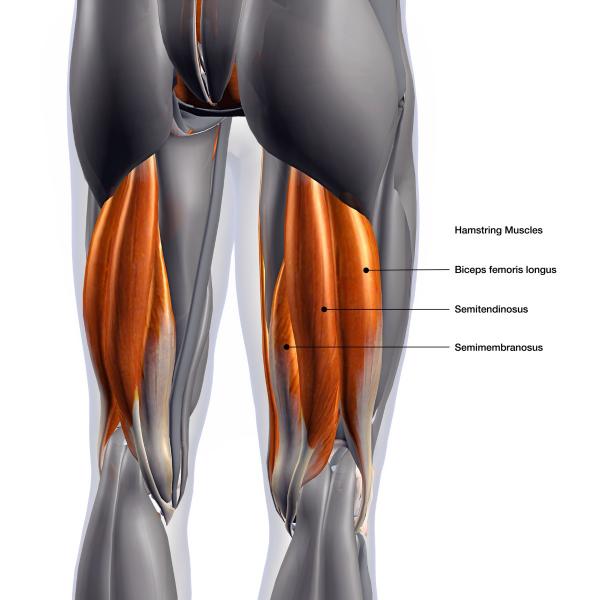
The rear thigh muscles cross the hip and knee joint, and are composed of three separate muscles - biceps femoris, semimembranosus and semitendinosus.

  1. Biceps femoris - is a muscle in the inner thigh that begins in the thigh area and ends at the knee. Allows flexion and rotation of the knee joint and extension in the hip joint.

  2. Semimembranosus - is the largest muscle between hamstrings, starting at the hip bone and ending at the back of the whistle. It allows flexing the knee, rotating the whistle and also extending the thigh muscle.

  3. Semitendinosus - is the longest hamstring muscle, located between the semimembranosus and the biceps femoris. It connects to the pelvic bone and ends at the whistle. It is responsible for whistle rotation, knee flexion and thigh extension.


https://www.steroids4u.eu

Best hamstring exercises

Hand on the heart, do you also practice hamstrings during leg training? The reason you should not forget them is not just the symmetry and appearance of your body. Weak hamstrings are one of the most common causes of injuries to athletes that occur in both men and women. In this article we will introduce you to 10 exercises that will give you strong and aesthetic hamstrings.


1. Romanian deadlift
Romanian deadlift is one of the most effective exercises for strengthening the rear thigh muscles. It is different from the classic deadlift, because the Romanian version almost does not bend at all. How to do it? Grasp the dumbbell approximately in the width of your shoulders with your hands pointing down naturally. Bend your knees slightly and bend as if to lay a dumbbell on the floor. Keep your back straight and be careful not to bend your knees too much, otherwise you are not exercising properly. As you move down, feel the pressure above your knees and thus in the hamstrings. Then return to the starting position by pulling the sitting muscles.

deadlift


2. Sumo deadlift
Sumo deadlift is another variant of deadlift that is designed to strengthen the rear thigh muscles. Approach the barbell so that it crosses the middle of the feet. Keep your legs wide, close to the wheels during this exercise. Bend your waist and grasp the dumbbell with both hands in the middle. Bend in the waist, point your gaze in front of you and hold your chest upright. Lift the barbell by attaching the hips and knees and hold with the hips facing the barbell, pushing the blades together. Then return to the starting position.

Sumo deadlift


3. Leg press
Sit in a leg press machine, place your feet on the platform, and hold your feet approximately the width of your shoulders. Release the safety lever and use the thigh muscles to push the weight until your legs are extended. However, never over knee during this exercise to avoid injury. When inhaling, slowly return to the starting position so that your knees and thighs are at a 90 degree angle.

Leg press

4. Stumbling seat
Set the desired weight and sit in the machine. Place your feet on the cylinder so that they touch it a few centimeters below the calf. For exhalation, push the cylinder down, under the thighs, and hold for 1 second in the final position. Then inhale and return to the starting position.

stumbling


5. Stumbling 
Choose a suitable weight, lie down on your stomach and grasp the handles with your hands. Place your feet under the cylinder so that they touch the cylinder a few centimeters below the calf. During the exhalation lift the cylinder and hold it in the final position for 1 second. Exhale and slowly return to the starting position. Make sure that you do not move your thighs when you lift the roller, and that you stay stable on the mat all the time.

https://www.steroids4u.eu


6. Good morning exercise
The main advantage of this exercise is that you do not need machines, only two-handed dumbbell. You start with a dumbbell on your shoulders, your back is reinforced all the time. Bend the knees slightly, push your butt forward and lean forward to 90 degrees. Then, inhale, return to the starting position. In addition to hamstrings in this exercise, you also strengthen the sitting muscles and weightlifters.

“Good morning”


7. Hyperextension
Hyperextension is a great exercise for hamstrings, but also the lower back and sitting muscles. Stand in the hyperextension machine with your feet firmly anchored. Cross your arms over your breasts or behind your head. Bend your waist and bend your torso downward as you exhale. Then, inhale, return to your starting position. Keep your head in line with the rest of the body throughout the movement and feel the pressure in the rear thigh muscles.

Hyperextenzie


8. Putting on the hyperextension bench (Glute-ham Raise)
This exercise will remind you remarkably of hyperextension. You can do it on a special GHR bench, or your sparring partner can help. If you have a suitable bench in your gym, place your feet firmly between the rollers, put your thighs on the mat and get started. During the entire exercise, keep your lower back tight and exhale with a breath. Then lift to an upright position so that your knee is at a 90-degree angle.

Zanožovanie na hyperextenznej lavici (Glute-ham Raise)
If you do not have the option to use the machine for this exercise, knock on your knees and ask a friend to hold you behind your ankles. Like the machine, make an exhalation move down and then inhale up with hamstrings and sitting muscles.

9. Hip Thrust
This exercise is easy to equip, you just need a two-handed dumbbell. Lie on the ground and bend your legs in your knees. Place the dumbbell on the hips and lift the buttocks using the sitting muscles. Hold on for a while and go back to the mat. With hip thrust, you will probably feel more pressure on the sciatic muscles than hamstrings, but both muscles will engage as well.

Hip Thrust


10. Pulley loading
Attach the adapter to the ankle and lower pulley. Stand one step away from the machine that you can hold with your hands. Stagger the leg with the weight back so that your knees are slightly bent at all times. After the series, repeat the exercise with the other leg.

https://www.steroids4u.eu